
4d • 🛠️ Show Your Work
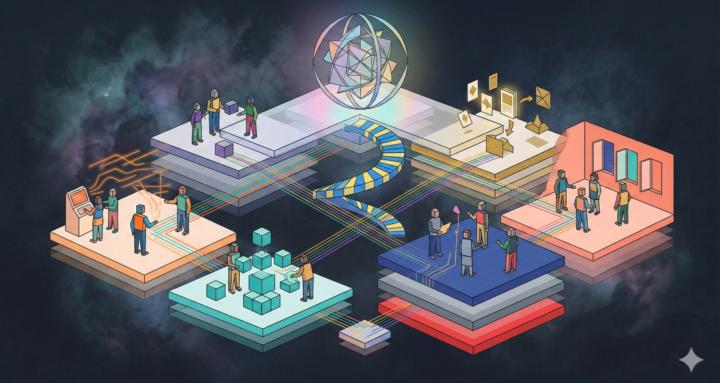
The Person Using The Tool Should Be The One Making It
Most software is built by people who will never use it.
They are guessing what their users need, then guessing whether they got it right.
That gap is why so many tools feel almost-right.
Almost the workflow you wanted.
Almost the shortcut you would have built yourself.
The fingerprint is missing because the maker's hands were never in the work.
Pushing Squares started from the opposite direction.
I am a colourist and a director.
CRUSH, CBA, FUZZ, SUBTRACKT, REFRAKT.
These plugins exist because I needed them on a real timeline that day.
The first user is always me.
The shipping bar is "would I install this tomorrow on a paying job".
This changes the design surface in three ways:
- The defaults are right because the maker lived inside them. Setting a default is a guess about the most common case. If you are the most common case, you are not guessing.
- Features earn their slot in the panel. Anything that does not save time on a real shot gets cut. There is no marketing reason to keep a feature the maker themselves never reaches for.
- The bug list is short and honest. You feel every regression because you hit it the next morning at 2am.
This is not a no-code argument. It is not "everyone should learn to ship code". It is a positioning argument. The closer the maker is to the work, the less translation has to happen between intention and tool.
AI changes the cost of this.
Building the thing you needed used to take a development team and six months.
Now it takes a directed run with Claude and an afternoon.
The bottleneck moves from technical capability to taste, judgment, and knowing what the work actually demands.
So if you are using a tool every day and feeling the gap, the gap is the brief.
The next person to fix it should be you.
The closest hand to the work makes the truest tool_
// A<3
5
14 comments
The Person Using The Tool Should Be The One Making It
skool.com/quantum-quill-lyceum-1116
Jake Van Clief, giving you the Cliff notes on the new AI age.
Leaderboard (30-day)
1

+764
2
+623
3

+468
4

+390
5

+389
Powered by