
Write something

15d •
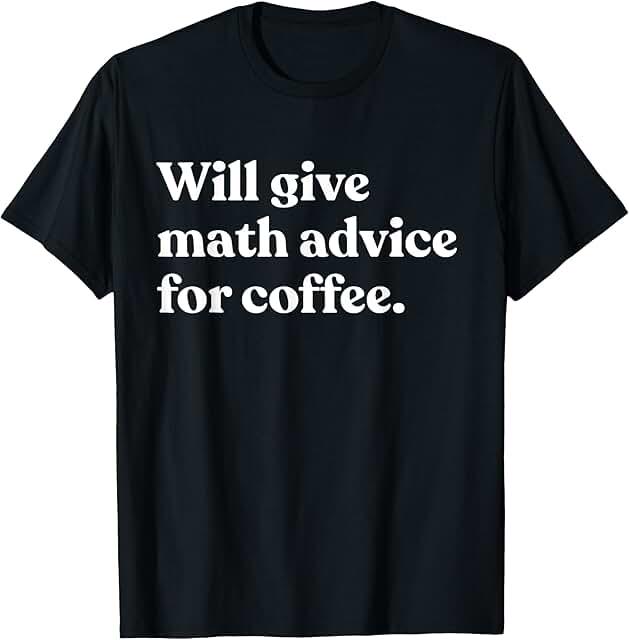
🎯 Sniper Report #11: Math Tutor / Math Teacher
Dear Niche Snipers, This niche isn’t “people who like math.” It’s people who repeatedly help other people understand math. That distinction changes everything. A math tutor’s identity isn't built around solving equations. It's built around explaining them. Repeating them. Reframing them. Watching confusion turn into understanding. The culture revolves around patience, problem-solving, pattern recognition, and the unique experience of explaining the same concept fifteen different ways until it finally clicks. That creates a surprisingly rich apparel niche because tutors develop their own language, frustrations, victories, and teaching rituals. The strongest designs don't celebrate mathematics itself. They celebrate the process of helping someone finally get it. 🧠 Market Snapshot Math tutors occupy an interesting middle ground between: - educator - coach - mentor - subject-matter expert Many work: - privately - online - through tutoring centers - at schools - in universities - as side hustles And unlike classroom teachers, tutors often work one-on-one, creating a different emotional dynamic. Their biggest wins are highly personal: - a student passes an exam - a struggling learner gains confidence - a difficult concept finally makes sense - grades improve This creates strong identity attachment around teaching success rather than subject expertise alone. The buyer typically falls into: - private math tutors - online tutors - SAT/ACT prep tutors - college math tutors - algebra specialists - calculus tutors - retired teachers tutoring part-time - tutoring center staff Because tutoring is often a long-term practice, apparel becomes a way of signaling professional identity both online and offline. 📈 Demand Signals This niche benefits from recurring educational cycles. Demand spikes around: - Back To School - exam seasons - SAT/ACT prep - finals periods - teacher appreciation - graduation gifts - tutor onboarding
0
0
21d •
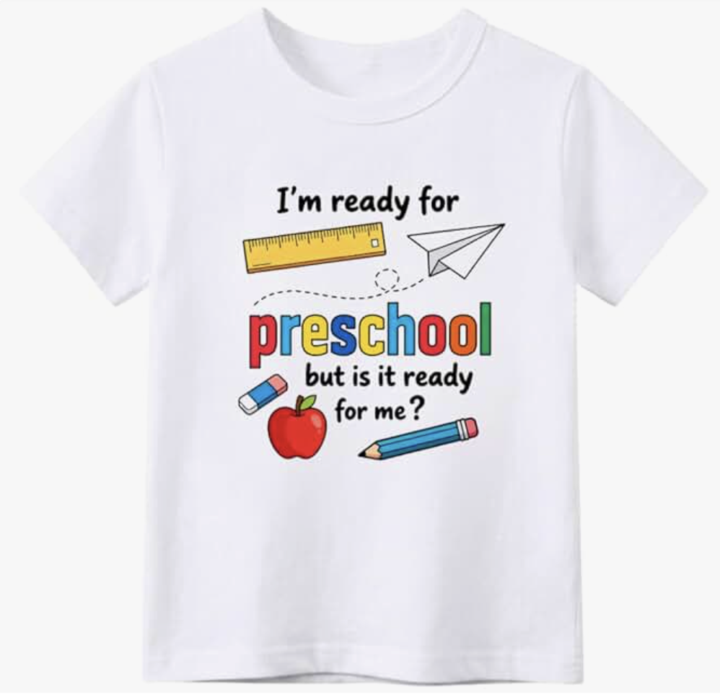
🎯 Sniper Report #10: Back To School (Community wish)
Dear Niche Snipers, This niche isn’t just a random niche. It's a community wish. Most sellers treat Back To School as a seasonal event and throw generic slogans at it: - FIRST DAY OF SCHOOL - READY TO LEARN - CLASS OF 20XX - TEACHER LIFE That creates a race to the bottom. The smarter approach is to view Back To School as a seasonal buying trigger that activates dozens of identity niches simultaneously. People are not buying because school starts. They're buying because they are: - a first-grade teacher - a nervous kindergarten mom - a high school band kid - a special education aide - a school bus driver - a marching band parent - a chemistry teacher - a homeschool family - a senior - a college freshman - a school nurse The event is universal. The identities are not. And identity is where POD money lives. 🧠 Market Snapshot Back To School functions more like a giant seasonal umbrella than a standalone niche. The audience is fragmented into highly emotional micro-groups. The strongest buyers are: Students - kindergarten - elementary - middle school - high school - college - trade school School Staff - teachers - aides - librarians - principals - counselors - school nurses - custodians - bus drivers Parents - kindergarten parents - homeschool parents - senior parents - first college-drop off parents Activity Groups - marching band - football - cheer - theater - robotics - debate - STEM clubs Each segment has different emotions. That's why generic Back To School shirts struggle. 📈 Demand Signals This niche has one of the strongest annual buying cycles in POD. Unlike hobby niches that sell year-round, Back To School creates a concentrated buying window where buyers are actively looking for identity apparel. The demand drivers are: - First-day photos - Teacher prep season - New grade milestones - Club/team onboarding - Parent celebrations - School staff appreciation - Dorm move-ins - Freshman transitions
May 22 •
🎯 Sniper Report #9: Sim Racing
Dear Niche Snipers, This niche isn’t “video game racing.” It’s motorsport obsession translated into a precision hobby where people spend real money, real time, and real emotional energy chasing tenths of a second that nobody outside the hobby understands. That’s the key. Sim racers don’t see themselves as casual gamers. They see themselves as drivers, setup nerds, telemetry analysts, consistency grinders, and racecraft students. And once someone buys: - a wheel - pedals - a rig - triple monitors - load cells - direct drive hardware …the hobby becomes identity fast. That’s why apparel works so well here. The best sim racing shirts don’t feel like gaming merch. They feel like paddock culture, garage culture, and motorsport mindset translated into wearable identity. 🧠 Market Snapshot Sim racing sits in a powerful overlap between: - gaming culture - motorsport fandom - hardware enthusiast culture - competitive self-improvement That overlap creates unusually strong buyer identity. This audience spends countless hours: - practicing laps - tuning setups - reviewing telemetry - debating racing lines - upgrading hardware - watching real motorsport - racing leagues online And importantly:many sim racers actively want the hobby to feel “real.” That affects apparel aesthetics heavily. The buyer usually falls into: - competitive league racers - casual-but-obsessed hobbyists - Formula/drift/GT fans - hardware collectors - endurance-racing communities - streamer/community audiences The strongest apparel performs when it reinforces: “this is a legitimate motorsport hobby.” 📈 Demand Signals This niche has extremely strong built-in spending behavior. That matters a lot. Sim racers already normalize spending on: - upgrades - peripherals - rigs - subscriptions - mods - racing accessories Which means apparel naturally fits the ecosystem. There are also recurring identity moments: - joining leagues - endurance events - first podiums/wins - setup milestones - hardware upgrades - racing-team identity - LAN/community events
2
0

May 16 •
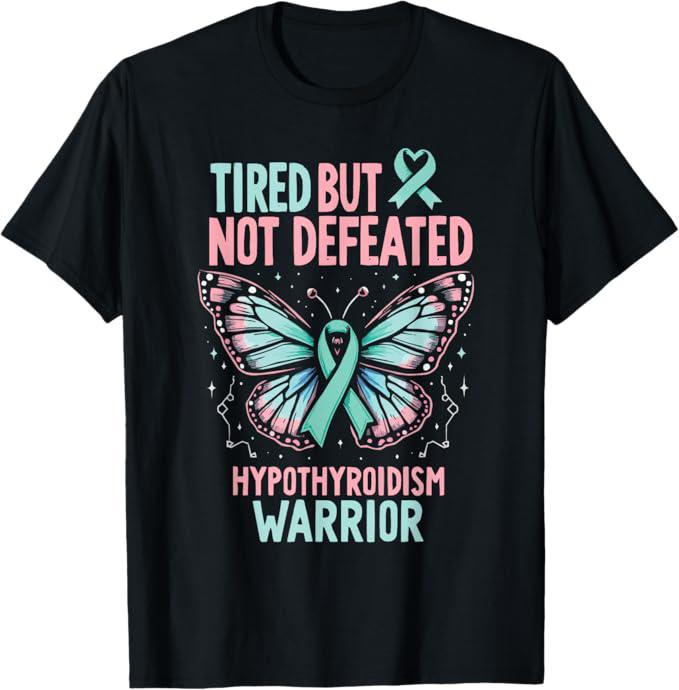
🎯 Sniper Report #8: Hypothyroidism Awareness
Dear Niche Snipers, This niche isn’t “medical awareness merch.” It’s validation apparel for people living with an invisible condition that constantly gets minimized, misunderstood, or brushed off as laziness, moodiness, or “just being tired.” That emotional reality is the entire market. People with hypothyroidism often spend years feeling dismissed before diagnosis, and even after diagnosis many still deal with fatigue, brain fog, weight fluctuations, cold sensitivity, medication routines, and the exhausting experience of trying to explain symptoms that nobody can see. That’s why generic awareness shirts usually fail. The audience doesn’t want vague inspiration. They want recognition. Relatability. Humor that sounds lived-in. And language that finally says: “Yes, this really affects my life.” 🧠 Market Snapshot The audience skews heavily female, but the emotional structure matters more than demographics. This is a “daily-management identity” niche. Meaning: the condition becomes woven into routines, energy management, relationships, work habits, and self-image. That creates strong emotional attachment to apparel that feels accurate rather than performative. The buyers usually split into: - diagnosed adults managing symptoms long-term - autoimmune overlap communities (especially Hashimoto’s) - supportive family/friends/partners - advocacy and awareness participants - chronic illness community buyers And importantly: many people in this niche are already deeply online. They consume: - symptom content - wellness routines - chronic illness humor - relatable fatigue memes - invisible illness discussions That means authenticity is extremely important. Generic “stay strong warrior” messaging gets ignored fast. 📈 Demand Signals This niche has consistent evergreen demand because hypothyroidism is long-term management, not temporary recovery. The condition creates repeated emotional moments: - diagnosis anniversaries - awareness month - medication/routine humor - doctor-visit frustration - symptom-validation moments - chronic fatigue identity
1
0
May 12 •
🎯 Sniper Report #7: Wheelchair Basketball
Dear Niche Snipers, This niche isn’t “inspirational disability sports.” It’s highly competitive basketball culture with a different relationship to movement, contact, speed, and control. That distinction matters. The biggest mistake outsiders make is treating wheelchair basketball like a motivational story first and a real sport second. Players absolutely notice that — and most generic merch accidentally talks down to the audience instead of speaking from inside the culture. The real identity here is intensity, court IQ, physical toughness, chair handling, team chemistry, and constant adaptation under pressure. This is athlete culture. The strongest shirts don’t say: “look how inspiring.” They say: “we hoop too.” 🧠 Market Snapshot Wheelchair basketball has one of the strongest identity structures in adaptive sports because participation tends to create deep community bonds. Players travel together, practice together, compete in tournaments, and spend huge amounts of time around teammates and equipment. The chair itself becomes part of athletic identity — almost like an extension of playing style. That creates extremely strong “tribe signaling” opportunities for apparel. The buyers usually split into: - competitive players - youth/adaptive program athletes - tournament teams - coaches and staff - family/supporters - Paralympic and elite-level fans And importantly:many buyers are already sports-apparel consumers. That changes the market dramatically. This audience is used to: - team gear - warmups - practice apparel - tournament shirts - travel hoodies - performance aesthetics Meaning the niche behaves much more like a sports culture than a novelty niche. 📈 Demand Signals Demand is driven heavily by team structure and event frequency. Unlike “passive interest” niches, wheelchair basketball has: - leagues - tournaments - camps - regional travel - national competitions - team identities - repeat participation That creates recurring apparel moments naturally.
0
0

1-13 of 13
powered by
skool.com/niche-sniper-lab-4099
Powered by The 15-Minute Daily System. Build Your First $1K+/Month in Print-on-Demand.
Suggested communities
Powered by