
Write something

Jun 13 •
Hey Bobby Geniesse, Momentum Rebuild Teens 🚀
Hey Bobby Geniesse 👋 Just checked out Momentum Rebuild Teens. You're still early enough to structure the community properly before growth starts kicking in — which honestly is the best possible timing. We're currently helping new Skool owners turn empty/basic communities into launch-ready ecosystems completely free. Examples + full breakdown here: 👉 Community Launch Before vs after examples below 👇


Jun 12 •
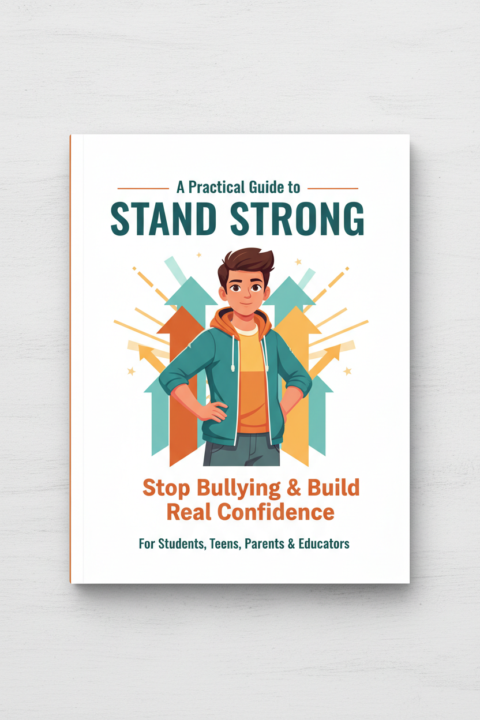
A Practical Guide to Stand Strong
With many years of experience working closely with teenagers and their parents, I have compiled a comprehensive PDF booklet filled with helpful resources, strategies, and insights on how to effectively deal with bullying. This practical guide offers proven approaches to support both teens and parents in navigating bullying situations with confidence and resilience. To receive a free downloadable version, visit the Classroom here on this platform.
0
0

Jun 10 •
About me
Since 2016, I have worked as a psychologist with deeply troubled adolescents across Europe. I am passionate about sharing insights on managing challenging behavior, fostering motivation, and helping young people discover their unique strengths, purpose, and passion.

Jun 10 •
Parenting
I am so excited to join this group. My 14 year old daughter has experienced so much difficulties and I need help with new ideas on how to be the best mother for her. I love her so much, despite all the grief and difficulties that emerge in our relationship.
0
0
May 29 •
Rebuilding Your Teen’s Confidence: Why A Few Online Sessions for you as the Parent Can Make All the Difference
When your teen’s confidence dips, everything can feel harder—school, friendships, sports, even simple daily routines. As a parent, you want to help, but advice that worked when they were younger may suddenly fall flat. This is where a brief series of online therapy or coaching sessions can create a turning point—for your teen, and for you. Why schedule sessions for you (the parent)? - Clarity over guesswork: Learn what’s really driving low confidence—thought patterns, social pressure, sleep habits, or skills gaps—and what to do first. - Practical tools you can use now: Get scripts, routines, and step‑by‑step strategies that reduce conflict and increase follow‑through. - Consistency at home: Align how you respond to setbacks, motivate effort, and reinforce progress so your teen experiences steady support, not mixed messages. - Prevention of bigger problems: Early guidance keeps shaky confidence from hardening into avoidance, anxiety, or chronic under‑motivation. What you’ll learn in sessions - How to rebuild confidence - Shift from praise of “talent” to praise of effort and strategy. - Set small, winnable goals that stack into momentum. - Teach self‑talk that’s realistic, not rosy: “This is hard, and I can take one step.” - How to address bullying - Recognize early signs (school avoidance, mystery headaches, device secrecy). - Coach assertive scripts and boundary setting; map safe‑adult allies at school. - Document incidents, escalate appropriately, and support recovery at home. - How to reduce depression and anxietyStabilize basics first: sleep, movement, light exposure, and screen hygiene. - Use bite‑size activation (two‑minute tasks) and calming skills (breath, grounding). - Replace all‑or‑nothing thinking with “next best step” planning. - How to increase motivationBreak goals into micro‑steps with visible progress (scorecards, habit streaks). - Pair hard tasks with cues and rewards; schedule effort, don’t wait for motivation. - Link schoolwork to values your teen actually cares about.
0
0
1-8 of 8
powered by

skool.com/momentum-rebuild-teens-9615
Momentum Rebuild Teens helps parents support teens to rebuild confidence, manage emotions, and thrive. Weekly sessions, updates, and actionable tools.
Suggested communities
Powered by