
Write something

Feb 16 •
Experimental dual method
I’ve been experimenting with different hide tanning methods and wanted to share what I’m working on right now for anyone who’s curious about the process. I currently have about 20 rabbit hides sitting in a basic salt–alum solution. This stage helps preserve the skin and set the hair. My next step will be to pull them out, rinse, neutralize, and stretch them. At that point, they can be finished as-is, or taken a step further into a full acid tan. I’m considering selecting a portion of these and running them through EZ-Tan after neutralizing. This will be my first time combining methods, but in theory it should work fine as long as the hides are properly rinsed and brought back to a neutral pH before re-acidifying for the second tan. I’ve previously used full acid tanning on sheep, goat, and rabbit hides, and one of the big advantages is that the finished pelts are fully washable and stay soft even after getting wet. It will be interesting to compare those results with the alum-started hides that get a second chemical tan. This is very much an experiment to see how penetration, softness, and long-term durability compare between the two approaches. I’ll share results once they’re finished and broken in. This is one recommendation for full acid tanning useing Rittles. I have a variation of this on the bunclub wiki https://www.taxidermyarts.com/documents/rittel_instructions/EZ-2000-instructions.pdf
Jan 13 •
Taxidermy
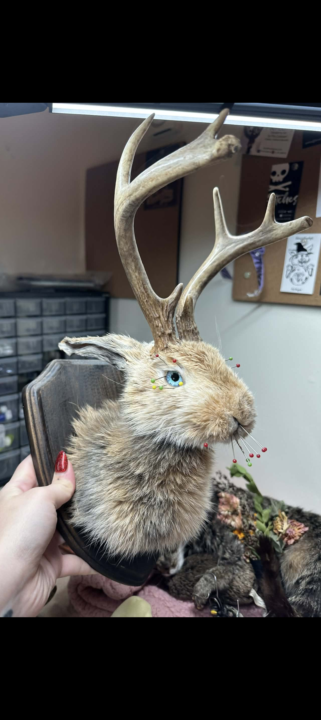
I skin my rabbits whole to sell to taxidermist which I started selling last fall and the lady working on them has finally gotten around to some of my pelts. So fun to see my rabbits turned into cool work of art.
Dec '25 •
Salt Alum Preservation Method
Alright, gather round the campfire—today we’re tanning hides, not telling ghost stories. This is the alum tanning method, which is old-school, reliable, and pleasantly un-mystical once you know what’s actually going on. First, the big idea: alum tanning is alkaline. That means the pH runs high. This isn’t an acid pickle bath and it isn’t witchcraft—it’s chemistry doing what chemistry does best: stabilizing collagen so your hide doesn’t rot, stink, or turn into heartbreak. You’ll want a five-gallon bucket with a lid. Drill a few breathing holes in that lid, or just place it on loosely to keep out extra dirt, insects, or curious pets. Add a 50/50 mix of salt and alum. If you use 2 lb of salt, add 2 lb of alum. If you use 5 lb of salt, add 5 lb of alum. In the video, I started with 2.5 lb of each, and I will be upping the mixture when more alum arrives to reach closer to 3–5 lb total of each per bucket. Fine granular salt works best: pickling salt, feed-mixing salt, eating salt, even fancy sea salt. Then comes the star of the show—pickling alum. Three and a half pounds is about right, but you can use anywhere from 2–5 lb as long as the mixture stays balanced. You’ll also want a long stick for stirring. A paint stick works. A clean branch works. Something that hasn’t recently been in contact with motor oil or existential regret. For drying later, grab a cheap sheet of plywood and a staple gun. You’re not building furniture; you’re just giving the hide something to behave against. A sharp knife, fish-skinning pliers, and a little insurance in the form of curved needles and upholstery thread are smart additions. Holes happen. Even to careful people. That’s life. Before anything touches water, make sure your hides are clean and properly scraped. Big chunks of meat and fat are not “rustic”; they’re bacterial condos. Remove them. Your future self will thank you. If you’re unable to fully flesh right away, you can drop them in and flesh later while they’re wet, or dry them and peel the silver skin—but they are more fragile that way. I’ll be testing a pressure-washer method as soon as it warms up a bit, then returning them to a fresh pickle.

1-3 of 3
powered by

skool.com/mmcbunclub-6215
Bun Club: science-based rabbit education promoting data-driven care, accurate nutrition, and verified research.
Suggested communities
Powered by