

8d •
Link to oil recipes from the bible
I thought this was interesting: https://bible.modernlifestylejournal.com/?rtkcid=6a3e3f46d8feb36ce9074093&rtkcmpid=6a2ed1d5dcf1cfd7c9a03fdf&rtkupdclickid=6a3e3f46d8feb36ce9074093&fbclid=IwVERDUASrHvtleHRuA2FlbQEwAGFkaWQAAC_KnarLKXNydGMGYXBwX2lkCjY2Mjg1NjgzNzkAAR5lxrMtyUwLb6XVrisRoFsXfs75vU_YDmX96VyxFaix7wNZwSc4RhJGOC-J_g_aem_7VF1f0j1B-TxbNKAAzVauA Put in browser. Or it will work right from this location.

15d •
Cymbopogon citratus or Cymbopogon flexuosus
Just recently, I read an article by a well-known Certified Clinical Aromatherapist on Lemongrass. In this article, she repeatedly mentions how Cymbopogon citratus is also known as Cymbopogon flexuosus throughout her article. I have also come across this by a few other Aromatherapists, Herbalists, Naturopaths, etc. I just want to make this clear. Cymbopogon citratus is NOT also known as Cymbopogon flexuosus; they are NOT the same plant or an old name botanical name for a new botanical name for Lemongrass. Cymbopogon citratus is West Indian Lemongrass, whereas Cymbopogon flexuosus is East Indian Lemongrass and is also native to Sri Lanka. When it comes to essential oil yield, Cymbopogon citratus produces approxinately 0.36% to 0.40% essential oil, whereas Cymbopogon flexuosus produces approximately 4.5% to 5.5% essential oil. Appearance-wise, Cymbopogon flexuosus has bluish-green leaves, whereas Cymbopogon citratus has dark green leaves. While both Cymbopogon flexuosus (East Indian lemongrass) and Cymbopogon citratus (West Indian lemongrass) are rich sources of the monoterpene aldehyde citral (which is a mixture of the isomers geranial and neral), their minor chemical constituents differ notably, resulting in distinct aromas and physical properties. The Primary Differences Myrcene Content: The biggest chemical differentiator is the concentration of βmyrcene. Cymbopogon citratus typically contains a much higher percentage of myrcene (ranging from 8% to almost 20%), whereas Cymbopogon flexuosus contains very little to trace amounts (often under 1%) Alcohol Solubility: Due to its differing chemical makeup, Cymbopogon flexuosus boasts high solubility in alcohol, making it the preferred choice for direct use in high-end perfumery. C. citratus exhibits poor solubility in alcohol. Trace Compounds: C. flexuosus tends to have slightly higher levels of geraniol and geranyl acetate, while C. Citratus often features slightly higher limonene levels depending on the geographical origin

29d •
Rose Otto or Rose Absolute Tip
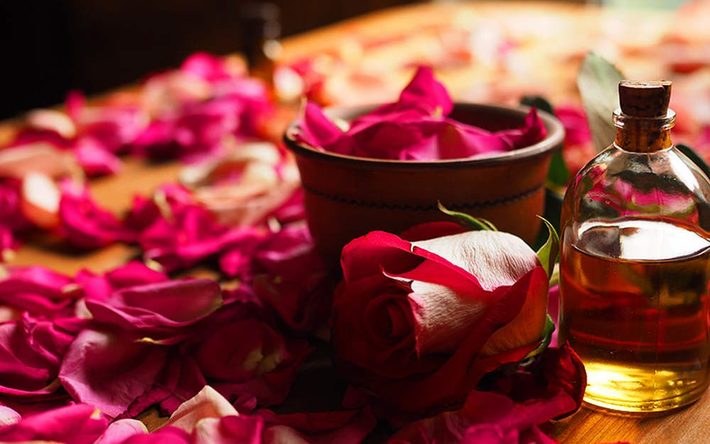
Rose Otto and Rose Absolute are very pricey oils. A good-quality 5ml bottle of Rose Otto will cost you between $325.01 and $509, and Rose Absolute, which is cheaper, will cost around $80.00 to $130 AUD. So here are two great, affordable tips for Rose. Some Aromatherapy suppliers, such as Aromatics International, will sell you a co-distill of Rose Geranium (Pelargonium x asperum) and true Rose Otto (Rosa x damascena). Geranium, especially if it's Rose Geranium (Pelargonium graveolens var roseum), has a fresh, leafy green, yet opulent and sweet rose-like aroma to it. As this is a relatively cheap essential oil, a co-distill of Rose Geranium and true Rose will often contain more Rose Geranium than actual Rose, the rose aroma will be more potent than the Rose Geranium on its own. The second tip is from the famous Aromatherapist Julia Lawless. Did you know that Rose Otto and Rose Absolute are so potent that even when it very diluted, it still has a very potent aroma and therapeutic benefit. Often, you will find 2% or 2.5% dilutions of Rose Otto in Jojoba. A 2.5% will cost you around $22 AUD for a 10ml bottle. Personally, I prefer a 5% Dilution of Rose Otto in Jojoba, which is what Julia Lawless discusses in her book. So, if you can afford to initially purchase your Rose Otto or Rose Absolute, you can make a 5% dilution by adding 10 drops of Rose Otto/Absolute to 10ml of your Jojoba. This 5% jojoba can then be used in your inhaler sticks, massage blends, lotions, etc., very effectively, even when further diluted. So let's look at this price-wise. There are roughly 20 drops of essential oil per 1ml. So a 5ml bottle of Rose Otto will contain 100 drops of Rose Otto. So 1 drop would of pure Rose Otto would cost (using Aromatics Internal Price $508 AUD) $5.08 per drop. (Calculated as $508 divided by 5 = $101.60/ml divided by 20 (drops) = $5.08) So if I were to add the entire 5ml bottle of this Rose Otto to 100mls of Jojoba (100mls Jojoba costs $35 AUD), I would get a 5% dilution.

May 21 •
Hallucinations and EO's
A question for all you Aromatherapists in our tribe. First some background. I have a Cerebral Palsy client who I see every week. Three weeks ago he informs me had been having hallucinations, as in waking up and seeing animals in his room. The animals being elephants and tigers. We had a bit of a giggle about it. But I did ask if they had changed his meds, no they hadn't. On went my Clinical head, no dowsing for this one. I had never had a client getting hallucinations in over 30 years of practice. However, it can be something Cerebral Palsy patients get. I went with 2 EO's and popped them in a sniffy for him to use twice before bedtime, once after his evening meal and then again when he settles down to sleep. I saw him the following week and he'd moved from Indi to Australia as he'd had a kangaroo visit him! I saw him again today, and he's had not one hallucination in the past week. So, my question to you is: which 2 oils do you think I plumped with?

May 20 •
Order going in!
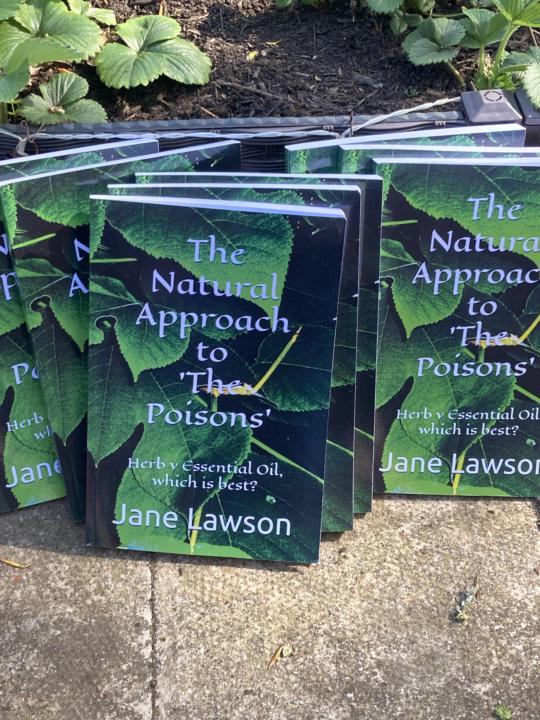
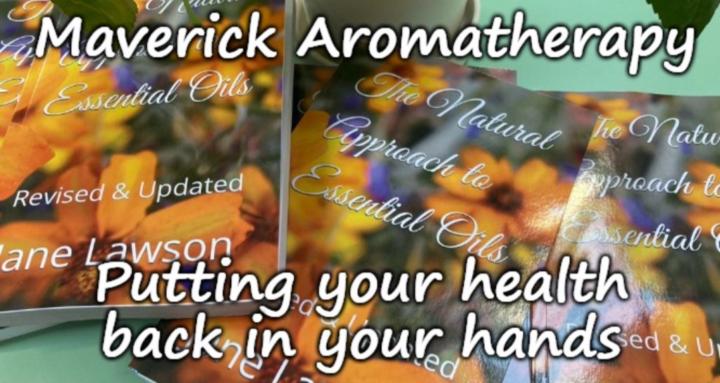
I'm ordering more copies of my books at the weekend as I have a list of lovely people who want signed copies. Would you like me to add you to my list before I place my order? Let me know below, or PM me. The Natural Approach to Essential Oils is more than a directory, it's also a workbook that helps you work out which EO's you need for what ails you. There are 54 EO's covered in depth from their effect on emotions, mind, relationships, physical and spiritual aspects of each one. There are no blends in there, because you are an individual and no "one size fits all". £29.99 on Amazon if you want to buy direct or not in UK. Postage is extra (about £3.50) if you want a signed copy from myself. The Natural Approach to the Poisons; Herb v essential oil, which is best? covers 37 herbs/plants which are also available to the public as EO's and which should not be used in Aromatherapy, or if they are, they should be used with extreme caution or under the guidance of a qualified therapist. In this book I cover the history of the plant, it's medicinal use, the chemistry when it is extracted as an EO, and what ailments, if any, the EO version can aid with, plus my personal opinion of each one and more. It's available on Amazon if you want to buy direct at £24.99. If you would like a signed copy, then postage is extra. Thank you.
1-30 of 35
powered by
skool.com/maverick-aromatherapy-3200
Putting your health back in your hands.... through Complementary Therapy and Essential Oils for novices and therapists alike.
Suggested communities
Powered by