
Write something

Apr 28 •
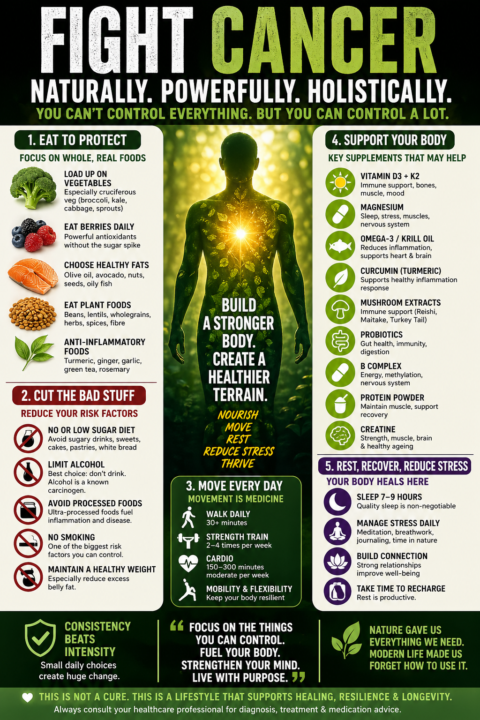
Fighting Cancer Holistically: Lifestyle, Nutrition & Supplement Support
A no-fluff deep dive into creating a body less friendly to disease Cancer is one of the most feared words in health. And because of that fear, people often feel forced into two extreme camps: one side says “only medical treatment matters”, and the other says “only natural approaches matter”. As usual, humans have taken a serious subject and turned it into a shouting match in a burning building. Here’s the more useful truth: Your lifestyle matters massively.Your nutrition matters massively.Your blood sugar, body fat, inflammation, gut health, sleep and stress levels matter.Supplements may support the terrain of the body. But, and this is important, anyone diagnosed with cancer should still get proper medical advice, scans, blood tests and monitoring. Choosing a holistic approach does not mean guessing in the dark and hoping broccoli has a legal department. This article is about taking back control of the things you can control: food, movement, sleep, stress, toxins, blood sugar, body composition and targeted nutritional support. The holistic view: change the terrain A holistic approach looks at the whole person, not just the tumour. That means asking: - Is blood sugar constantly elevated? - Is insulin resistance present? - Is the person overweight or under-muscled? - Is inflammation high? - Is the gut damaged or sluggish? - Is sleep poor? - Is stress constantly switched on? - Is alcohol intake too high? - Is the diet full of ultra-processed food? - Are nutrient deficiencies present? - Is the immune system under pressure? The goal is to make the body’s internal environment healthier, stronger and less chaotic. Cancer is complex. No lifestyle plan guarantees prevention or recovery. But a healthier internal environment may support better resilience, better recovery, better immune function and better long-term health outcomes. 1. Sugar, cancer and the blood sugar problem Let’s deal with the big one. You’ll often hear: “Sugar feeds cancer.” There is some truth hiding inside that phrase, but it gets oversimplified online, because apparently nuance died in a comments section.
1
0
Apr 28 •
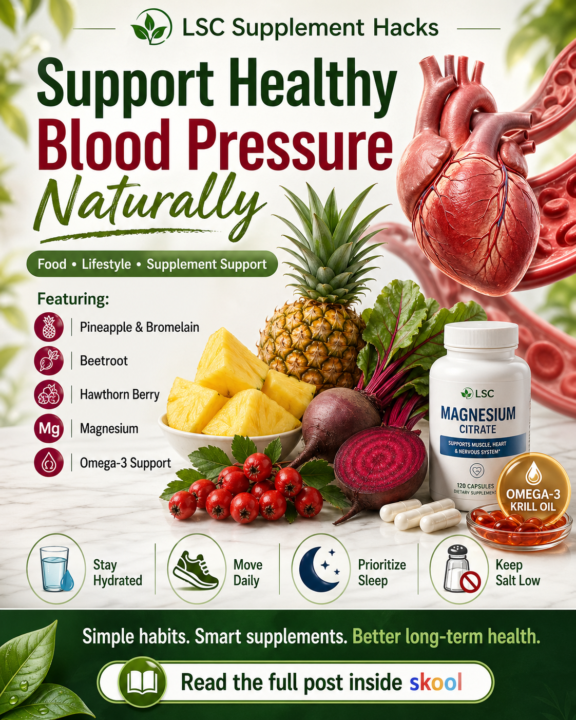
Controlling Blood Pressure Naturally: Food, Lifestyle & Supplement Support
LSC Supplement Hacks High blood pressure is one of those health issues that can quietly build in the background without making much noise. That is why it is worth paying attention to early. Healthy blood pressure is important for your heart, brain, kidneys, circulation and long-term wellbeing. The good news is that there are plenty of positive steps you can take through diet, lifestyle and carefully chosen supplements. This article looks at some natural ways to support healthy blood pressure, including pineapple, bromelain, beetroot, hawthorn berry and a few everyday habits that can make a real difference. Why Blood Pressure Matters Blood pressure is the force of blood pushing against the walls of your arteries. When that pressure stays too high for too long, it can put extra strain on the cardiovascular system. Supporting healthy blood pressure is really about supporting: - Better circulation - Healthy blood vessels - Heart health - Energy and vitality - Long-term wellness - The key is consistency. Small daily habits can have a big impact over time. Sadly, consistency is the bit most people treat like optional software updates. Pineapple & Bromelain: Tropical Support for Circulation Pineapple is more than just a sweet tropical fruit. It naturally contains bromelain, a group of enzymes that have been studied for their potential role in supporting inflammation balance, circulation and cardiovascular health. Bromelain is particularly interesting because it may help support the body’s natural processes involved in healthy blood flow and normal fibrin balance. Fibrin is a protein involved in clot formation, and keeping the circulatory system working smoothly is an important part of overall cardiovascular wellbeing. Adding pineapple into the diet is a simple, refreshing way to bring in bromelain, vitamin C, antioxidants and digestive enzymes. How to Use It Fresh pineapple can be enjoyed: - In smoothies - With Greek yoghurt - As part of a fruit bowl - After meals to support digestion - As a refreshing snack
0
0
Mar 30 •
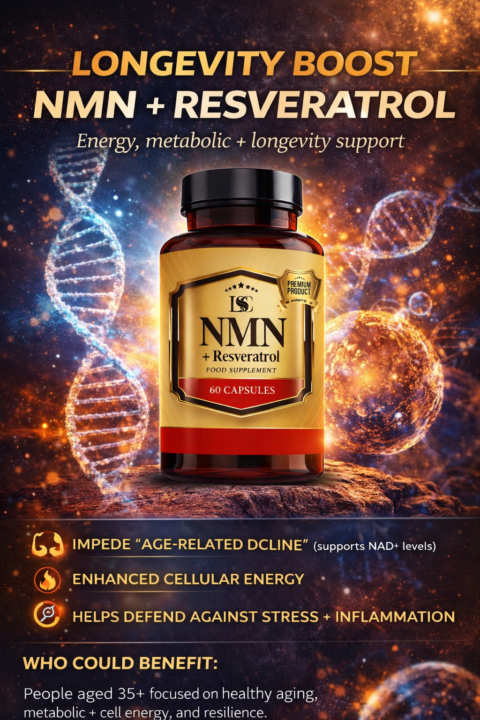
Longevity Master Class - NMN + Resveratrol
What it is, who it’s for, and what it realistically does (without the fairy dust) NMN + resveratrol is one of the most talked-about “longevity combos” because it sits right in the sweet spot of modern humans: we want more energy, better ageing, and fewer consequences. Here’s the honest breakdown. 1) What NMN is (plain English) NMN (Nicotinamide Mononucleotide) is a molecule your body can use to make NAD⁺. NAD⁺ is involved in: - cellular energy production (mitochondria) - metabolic function - DNA repair processes - general “cell maintenance” pathways (lots of them) The core idea is: NAD⁺ tends to decline with age, and NMN is one way researchers have explored increasing NAD⁺ availability. Human evidence so far: NMN has been tested in multiple short-term human trials (often weeks to a few months). Results are promising in some areas (especially certain metabolic and performance markers), but it’s not a miracle pill and long-term outcomes are still being studied. 2) What resveratrol is (and why it’s paired with NMN) Resveratrol is a polyphenol found in things like grapes and red wine (sadly you don’t get “therapeutic doses” by drinking Merlot, you just get a headache). It’s often discussed for: - inflammation/oxidative stress signalling - metabolic pathways - “sirtuin” signalling (the longevity buzzword) Reality check: resveratrol has loads of interesting mechanisms. 3) Why people stack NMN + resveratrol The theory goes like this: - NMN supports the NAD⁺ supply side - Resveratrol may influence cell signalling pathways linked to stress resilience and metabolism So the “stack” is pitched as fuel + signalling. That’s the theory. The human evidence for the combo specifically is still evolving, and you should treat it as support, not salvation. 4) Who might actually benefit (most realistic use cases) This stack tends to make the most sense for people who are already doing the basics and want an extra edge. ✅ Better fit if you’re:
0
0
Mar 19 •
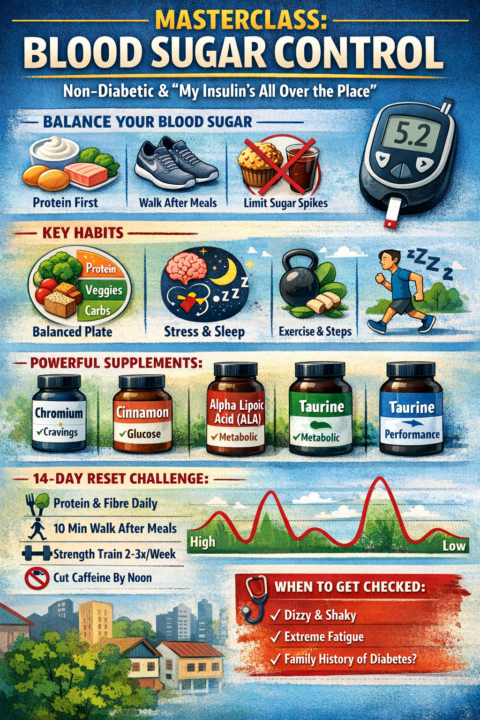
🎓 Masterclass: Blood Sugar Control (Non-Diabetic + “My insulin feels all over the place” people)
Steadier energy. Fewer cravings. Better fat loss. Better mood. Less 3pm collapse. First: if you’re not diabetic, your goal isn’t to become a glucose-obsessed robot.Your goal is stable energy and stable appetite, which usually means better blood sugar and insulin control. If you relate to any of these, this masterclass is for you: - 3pm crash and cravings - “Hangry” moods - Brain fog after meals - Belly fat that won’t shift despite “eating well” - You feel better fasting, then worse later - You think your insulin is “erratic” 1) What blood sugar and insulin actually do (simple version) - Blood sugar (glucose) rises after you eat carbs (and sometimes after big stress). - Insulin helps move glucose out of the blood and into cells. - When meals are very high sugar/refined carbs, you can get:spike → drop → hunger → snack → repeat. - Stability is the aim. Not “zero carbs”. Not fear. Just smarter inputs. 2) The 5 most common reasons “non-diabetics” feel unstable 1) Breakfast is basically dessert (or skipped) Cereal, toast, pastry, coffee. Then crash. 2) Lunch is beige carbs with not enough protein Sandwich + crisps. Then 3pm collapse. 3) You’re under-slept Poor sleep increases cravings and worsens glucose handling. 4) Stress is chronic Stress hormones can raise glucose and make you snack for dopamine. 5) You’re sedentary after meals Sitting still after eating makes glucose control harder than it needs to be. 3) Diet: The “Blood Sugar Smart” Framework ✅ Rule 1: Protein first (every meal) Protein blunts spikes and improves satiety. Targets - 25–35g protein per meal (more if bigger/active) Easy examples - Greek yogurt + berries + seeds - Eggs + meat/fish + fruit - Chicken/tuna + salad + rice/potatoes (reasonable portion) ✅ Rule 2: Fibre daily (build up slowly) Fibre slows digestion and improves satiety. Targets - 25–35g fibre/day (build gradually) ✅ Rule 3: Carbs aren’t the enemy. Ultra-processed carbs are.
0
0
Mar 11 •
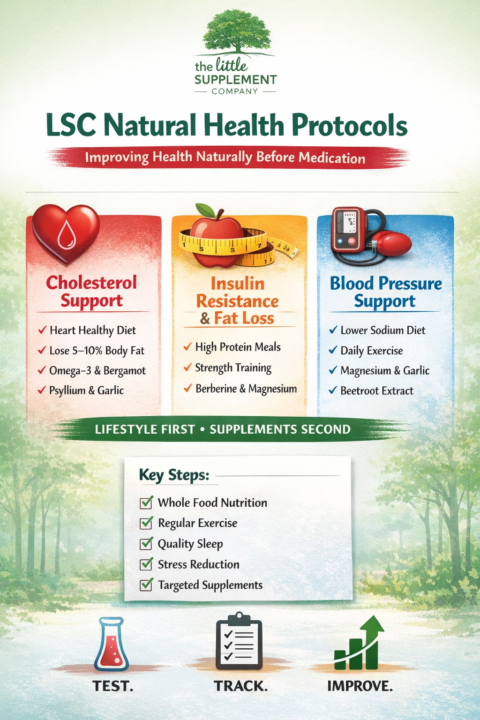
Before you just jump onto Pharmaceutical Medication - Have a read.
The LSC Natural First Protocol A structured approach to improving health markers before pharmaceutical intervention. Step 1 – Nutrition Foundation 🍽️ This is always the first intervention because diet drives most metabolic markers. Core principles: 1️⃣ Whole-food diet - lean protein - vegetables - fruit - nuts and seeds - healthy fats - minimally processed foods 2️⃣ Reduce drivers of inflammationLower intake of: - refined sugar - ultra-processed foods - trans fats - excessive alcohol 3️⃣ Increase fibreTarget: - 25–35g fibre daily Benefits: - lowers cholesterol - improves blood sugar - supports gut health Best sources: - oats - beans and lentils - vegetables - chia and flax seeds Step 2 – Body Composition ⚖️ Even modest fat loss dramatically improves health markers. Target: 5–10% body weight reduction Potential improvements: Marker Expected change LDL cholesterol↓ Blood pressure↓ Insulin resistance↓ inflammation↓ For many clients this alone can reverse early metabolic issues. Step 3 – Movement & Training 🏋️ Exercise improves nearly every metabolic marker. Recommended minimum: Resistance training:2–4 sessions weekly Cardio:150 minutes weekly Benefits include: - improved insulin sensitivity - reduced visceral fat - improved lipid profile - improved cardiovascular health - Step 4 – Sleep & Stress 😴 Poor sleep disrupts metabolic hormones. Targets: 7–9 hours sleep Improve by: - consistent sleep schedule - reduced evening screen exposure - managing caffeine intake - Chronic stress raises: - cortisol - blood sugar - blood pressure - Step 5 – Evidence-Based Supplement Support 💊 Supplements are used strategically based on biomarkers. For cholesterol support - Policosanol - Soluble fibre (psyllium) - omega-3 (LSC Krill Oil) - aged garlic / black garlic For blood sugar support - Cinnamon - Alpha lipoic acid - Magnesium - Chromium For inflammation - Omega-3 - LSC Turmeric - LSC Vitamin D3 + K2
0
0
1-11 of 11
powered by
skool.com/lsc-supplement-hacks-8286
LSC Supplement Hacks: evidence-led supplement stacks, simple health wins, and optional deeper biohacking for people who want to go further.
Suggested communities
Powered by