
Write something
Pinned

8d •
WE ARE SO BACK! 🚀
The energy in here has been UNMATCHED...and I wanted to do something massive to celebrate everyone who is locked in and ready to level up their credit. I know a lot of you have started the DIY journey using the free tools in the classroom. But I also know that life gets busy (and hard, hence my hiatus)..and sometimes you just want the pros to take the wheel so you can get results faster without the headache. Because you are a Skool Member, I’m giving you an EXCLUSIVE "Family Only" discount. This link is NOT on my TikTok. It’s NOT on my Instagram. It is only right here for you. 🎁 The Skool Exclusive Deal: - ❌ Public Price: $499 - ✅ Skool Member Price: $399 - What’s included in the 6-Month Fast Track: - Full Service: We handle the personalized game plan and all disputes. - Monthly Updates: You stay in the loop while we do the heavy lifting. - Money-Back Guarantee: We stand by our work, you get a guarantee on deletions. Stop stressing over the paperwork and let us handle the strategy. This is a private link only available to members of this group, and once our spots for the month are full, this discount will be taken down. 👉 Claim your Exclusive $399 Rate here ⬇️ https://www.levelupconsultingllc.co/skool-community-discount 2026 IS YOUR YEAR! 📈
3d •
🏠 Ready to Stop Renting and Start Owning?
I know some of you haven't gotten to the home-buying module yet, but if you're looking to purchase a home this year, you need to know exactly what mortgage companies are looking for. Credit is your ultimate leverage, but when it comes to a mortgage, the banks aren't just looking at a number..they are looking at your financial "fitness". If you want to use a home as a wealth bridge rather than a credit trap, you need to meet these general credentials to qualify: 📋 The Mortgage Checklist • Credit Score: Generally, you’ll need a minimum score of 620 for conventional loans, though FHA loans can go lower. • No Red Flags: There can be no unpaid collections, charge-offs, or repossessions on your credit report. • Debt-to-Income (DTI) Ratio: Most lenders want to see a DTI of 43% or less. This means your total monthly debt payments divided by your gross monthly income. • Income & Employment: You must show two years of consistent income and provide two years of tax returns, which the lender will verify directly with the IRS. • Job Stability: Lenders look for no employment gaps. If you have switched companies, the move needs to be within the same career space to prove stability. • Down Payment: While 20% is the gold standard to avoid private mortgage insurance (PMI), many programs allow as little as 3% to 3.5% down. • Bank Reserves: Lenders need to see reserves (extra cash) in a bank account to ensure you can handle unexpected costs. • Large Transfers: Any large transfers within the last 90 days are a major red flag unless you can provide documented evidence of a gift or a verified source of funds. • Clean Payment History: A single 30-day late payment can tank your score by 100 points. Lenders want to see a "clean" history for at least the last 12–24 months. 🧠 The Strategy That’s why fixing your credit is SO important BEFORE hitting submit on that mortgage application. DON'T DELAY YOUR OWN HOME BUYING JOURNEY. If you're looking for help, remember our Skool members get a discounted rate on our done-for-you service!
19h •
📜 The History of Credit Repair: From "Neighborhood Gossip" to Legal Rights
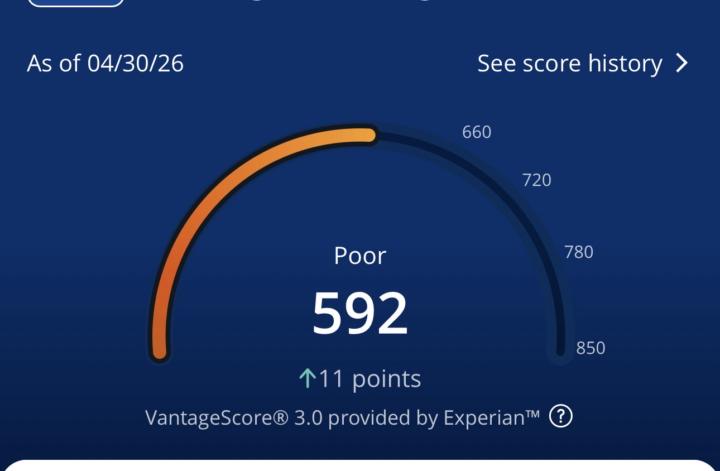
If you think credit repair is just about "deleting stuff," you’re missing the most important part. It’s actually about exercising your legal rights under laws that were created to stop corporations from ruining people's lives with bad data. Before the 1970s, the credit industry was like the Wild West and the consumer always lost...so here’s how we got to where we are today. 🏛️ The "Wild West" (Before 1970) Before the laws we use today existed, credit bureaus were private companies that kept "character files." They didn't just track your bills; they tracked you. - The "Lifestyle" Blacklist: Investigators would interview your neighbors or coworkers. If a neighbor told them you "seemed to party too much" or had "questionable morals," that subjective opinion became a permanent part of your file. You could be denied a house because of a neighbor's grudge. - The Permanent Scarlet Letter: There was no "7-year rule." A single missed payment in your 20s could stay on your record until you were 60. There was no such thing as a "clean slate." - The "Secret" File: You had no legal right to even see your own credit report. If a clerk mistyped your social security number and merged your file with a stranger's, you were stuck with their debts and had no way to prove the mistake. ⚖️ The Two Laws That Changed the Game • The FCRA (Fair Credit Reporting Act) – Born 1970 The FCRA was the first time the government told credit bureaus: "The consumer owns their reputation, not you." The Mission: Accuracy, Fairness, and Privacy. The Power: It mandates that if information is inaccurate, incomplete, or unverifiable, it must be removed. This created the "30-day investigation" rule we use for disputes today. The Result: It ended the era of "neighborhood gossip" and forced bureaus to use actual data. • The FDCPA (Fair Debt Collection Practices Act) – Born 1977 As credit became common, debt collectors became aggressive. They would call at 3:00 AM or threaten jail time.
7d •
🛑 The "Credit Trap" vs. The Wealth Bridge
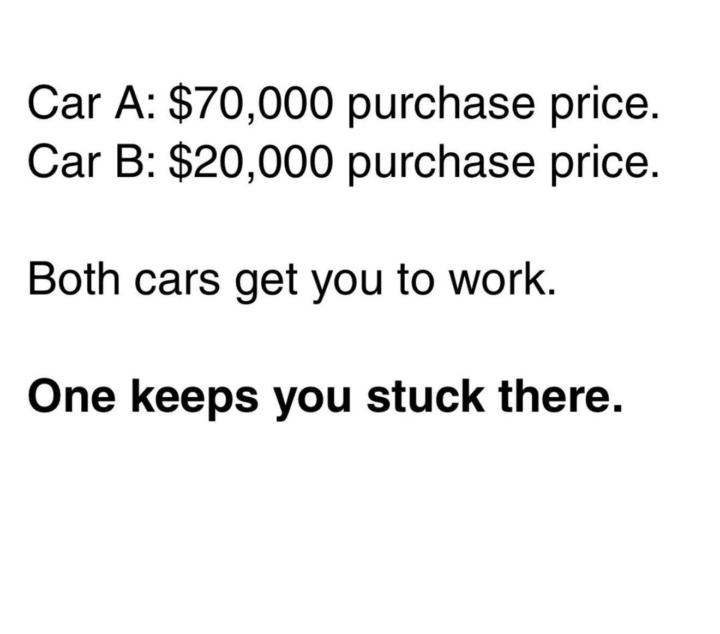
We talk about credit all the time in this community because, used correctly, credit is the ultimate leverage. It’s the fuel that can accelerate your journey to financial freedom. But here’s the reality… Leverage works both ways. When access to credit falls into the hands of those who haven't mastered their mindset, it becomes a cage. Car A might look better in the driveway, but Car B is the one that actually buys you your time back. If you use your credit for material things that depreciate the moment you drive them off the lot, you aren’t using leverage, you’re being leveraged by the bank. How to actually use your leverage: Instead of financing a lifestyle you haven't earned yet, use that credit to acquire assets and skills: • 🏠 Real Estate: Buy a property to rent out for monthly cash flow. • 🛠️ Fix & Flip: Use a line of credit to renovate a distressed property and pocket the profit. • 📦 Business Infrastructure: Purchase equipment for a service-based business that generates daily revenue. • 🧠 Self-Education: Invest in a high-level course or a coach. The ROI on a new skill often dwarfs any real estate deal. The goal isn't to look rich; it's to be wealthy. One car keeps you stuck at a 9-5 just to cover the monthly payment. The other gives you the margin to build an empire. What’s one "material" purchase you’ve passed on recently so you could reinvest that capital into your future instead? 👇
1
0
1-30 of 274

skool.com/levelupyourlife
Stop paying thousands for credit repair. Learn the secret to doing it yourself.
Leaderboard (30-day)
1

+5
2

+2
3

+2
4

+2
5

+2
Powered by