13d • General discussion
Mastering the Art of Practice: Beyond the Glass Wall
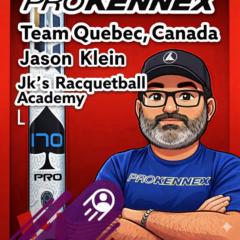
By: Jk
To truly elevate your racquetball game, you must change not just how you hit the ball, but where and why you hit it. Many players spend hours on the court without improving because they are performing for an audience rather than training for a match.
1. Choose Your Environment: The "Glass Wall" Trap
If you want to master new skills, find a closed-in court. While glass-back courts are great for tournament prep, they are often the worst place for skill development. Why? Because when people are watching, human nature takes over.
• The Ego Response: Players tend to revert to their "pretty" shots (like the forehand down-the-line) to look good for bystanders.
• The Growth Killer: You cannot master a weak backhand if you are too embarrassed to hit a "bad" shot in public.
• The Solution: Get alone with the ball. In a closed court, you have the freedom to fail, to hit the floor, and to look "unpolished" until the muscle memory takes hold.
2. Simulate, Don't Just Repeat
Standing in one spot and dropping the ball to hit the same shot 50 times is a warm-up, not a practice session.
• Dynamic Positioning: In a game, the ball is already moving. To practice properly, you must hit a moving ball, recover your center-court position, and then move back to the ball to hit the next shot.
• Reset on Errors: If you hit a poor ceiling shot, do not chase it down and smash a "hero" forehand just to feel good. Stop. Catch the ball. Reset the drill. If you allow yourself to "play out" bad practice shots with scrambled footwork, you are training your brain to play chaotic, undisciplined racquetball.
3. Start Small to Finish Big
Precision is built from the front of the court to the back, not the other way around.
• Short-Game Mastery: Start with shots closer to the front wall. Mastering the touch and mechanics of 12-foot and 15-foot shots builds the foundation for the 38-foot power shots you’ll need against elite players.
• Target Practice: Don't aim for "the corner." Use small pieces of tape on the side walls or floor. Aim small, miss small. Precision is a result of having a specific, visible target for every individual shot.
4. Treat Every Shot as a Specialist
A backhand ceiling shot from the deep left is not the same as one from mid-court.
• Versatility: The ceiling ball is a defensive lifeline. You must practice it from everywhere on the court, not just the back corner.
• Identification: Proper practice develops your ability to judge velocity and trajectory. If you can’t identify how fast the ball is traveling, you will never be in the correct position to hit a kill shot.
5. Stop Running From Your Weaknesses
The most common mistake in racquetball is "running around the backhand." Players do this because they lack confidence, and they lack confidence because they don't practice the shot in a focused environment.
• The Challenge: Use your solo practice time to force yourself into backhand-only drills. Build the confidence in private so that you don't have to hide in public.
The Bottom Line: If you want to play like a pro, you must practice like a scientist. Isolate the variables, simulate the movement, and leave your ego at the door.
2
0 comments
Mastering the Art of Practice: Beyond the Glass Wall
powered by

skool.com/jks-racquetball-academy-7506
“40-year racquetball veteran helping beginners & intermediates improve skills, strategy, and love for the game at JK’s Racquetball Academy.”
Suggested communities
Powered by