
Write something


Mar 23 •
Tennis 13 beginner program
Awesome event yesterday some new Jedis are joining the force. Keeping Racquetball alive!! Save our Courts 💙
1
0


Feb 17 •
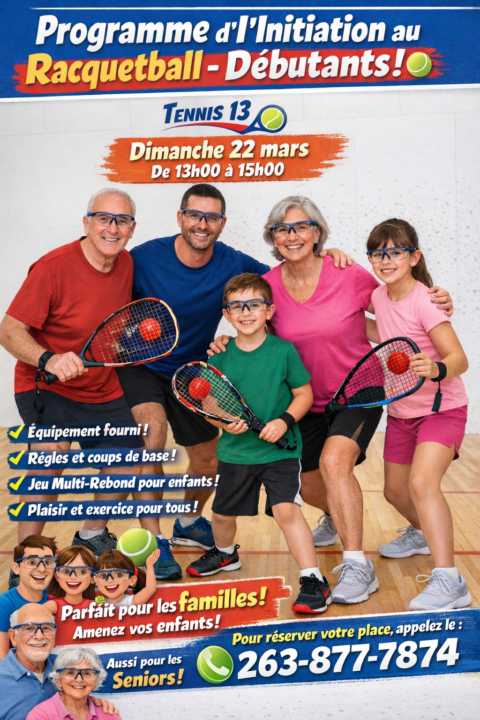
Racquetball Initiation Program – Beginners
📍 Location: Tennis 13 📅 Date: Sunday, March 22 🕐 Time: 1:00 PM to 3:00 PM Looking to discover a dynamic, fun sport that’s perfect for the whole family? Join us for our Intro to Racquetball Program, specifically designed for beginners of all ages—including children, adults, and seniors! • ✅ Equipment provided • ✅ Learn the basic rules • ✅ Fundamentals of movement and the basic stroke • ✅ Introduction to multi-bounce play (ideal for kids!) • ✅ Fun activity and excellent for your health 👨👩👧👦 Perfect for families — Bring the kids! 👵 Accessible for seniors 👥 Limited to 24 participants Come get active, learn, and have fun in a safe and welcoming environment! 263-877-7874 Call to reserve your spots
1
0
1-30 of 46
powered by
skool.com/jks-racquetball-academy-7506
“40-year racquetball veteran helping beginners & intermediates improve skills, strategy, and love for the game at JK’s Racquetball Academy.”
Suggested communities
Powered by