

2d •
Loro Piana
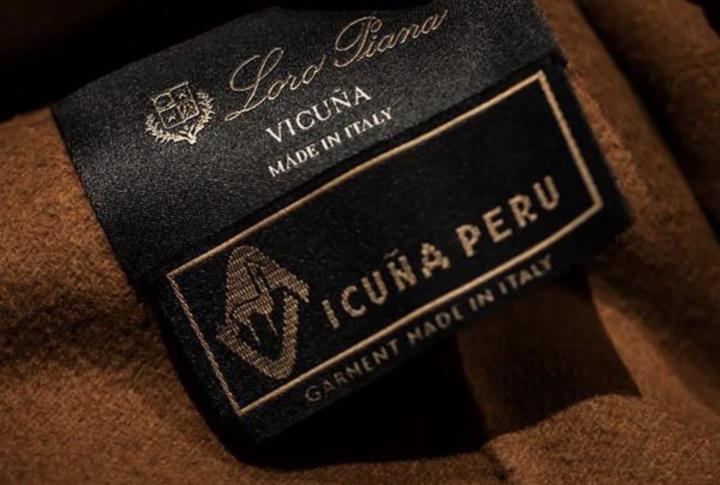
Loro Piana is one of the best examples of how supply chain control can become a luxury strategy in itself. The strategic pillar is vertical control of raw materials. This is a business built around owning and controlling access to some of the world’s rarest fibres: vicuña, baby cashmere, and ultra high-grade wool. Loro Piana controls the source material behind its products. That changes the entire economics of the business. The commercial insight is pricing power through scarcity. Loro Piana commands some of the highest price points in luxury, not through logos or overt branding, but through material exclusivity and supply constraints. When you control the input, you control the margin and more importantly, you control differentiation. The lesson is that supply chain advantage is a genuine competitive moat. Other brands can compete on marketing, campaigns, or even design direction. But securing access to rare materials is significantly harder to replicate over the long term. So if you’re building a brand, remember that competitive advantage doesn’t always sit in the final product. Sometimes it sits much further upstream. That’s what this brand gets right.
2
0
8d •
Patagonia
Patagonia is one of the clearest case studies in how values, when applied properly, can become a long-term commercial advantage. The strategic pillar is purpose-led positioning. Patagonia has built its entire brand around environmental responsibility and activism. This isn’t a campaign layer, it sits at the core of how the business operates, communicates, and makes decisions. The commercial insight is longevity over replacement. Through initiatives like repair and re-use, Patagonia actively encourages customers to buy less and keep products for longer. On the surface, that looks like a constraint on growth. In reality, it builds trust, strengthens brand equity, and drives long-term customer value. The lesson is that trust is earned through consistency. Customers reward brands that behave in line with what they say not just what they market. Patagonia doesn’t just communicate values, it operates by them. So if you’re building a brand: don’t just define your values. Build systems that prove them over time. That’s what this brand gets right. Proper integrity.
3
0
17d •
Ralph Lauren
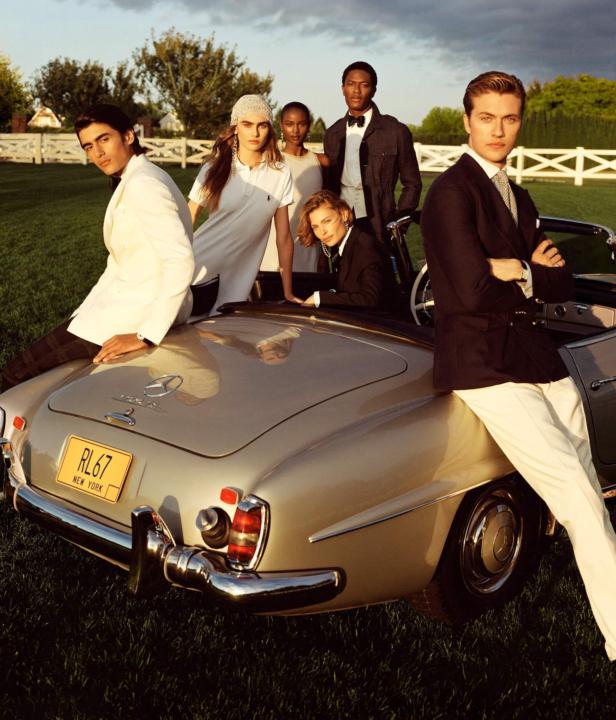
Ralph Lauren is one of the strongest examples of how a brand can build a complete world and then monetise it across decades. The strategic pillar is lifestyle world-building. Ralph Lauren sells an entire vision of American aspiration. From Ivy League to ranch wear to the Hamptons, every product sits inside a clearly defined universe. And so for customers when they buy a product, they're buying into a way of life. The commercial insight is exceptional category expansion. Through licensing and brand extensions, Ralph Lauren has moved into fragrance, home, and even hospitality. The key point is that these categories expand the brand without diluting it (which is a true rarity). The lesson is simple: the stronger your brand universe, the easier it is to sell across categories, price points and geographies. Ralph Lauren has proven that consistently over time. So if you are building a brand, think beyond clothing and consider building a lifestyle your customer wants to belong to. Cheers
6
0
17d •
Hermès
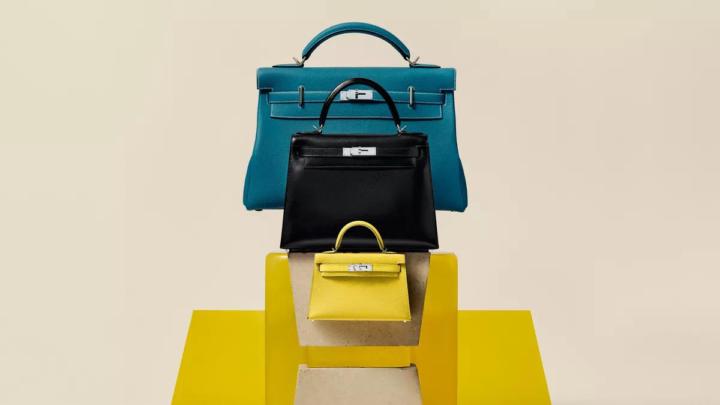
Hermès is one of the clearest case studies in how control translates into long-term brand power. The strategic pillar is extreme supply discipline. Hermès deliberately restricts production of its most desirable categories, particularly leather goods. Demand is managed, not chased. That distinction is everything. While most brands scale supply to meet demand, Hermès controls supply to shape demand. The commercial insight is that waiting lists act as a demand engine. Products like the Birkin and Kelly are not just items, they operate as controlled access systems. Scarcity increases desirability and desirability protects full-price sell-through. The outcome is not just high revenue but high-quality revenue. The lesson is that not selling is sometimes the strategy. Most brands are built to satisfy demand as quickly as possible. Hermès does the opposite. It withholds, controls, and in doing so, strengthens long-term brand equity. So if you are building a brand, you do not always need more customers. Sometimes you need less product. That’s what this brand gets right. Cheers
5
0
17d •
Brunello Cucinelli
Brunello Cucinelli is one of my favourite case studies in long-term brand integrity. The strategic pillar is controlled growth with absolute brand coherence. This is a business that deliberately avoids overexpansion. Distribution is limited, categories are tightly managed and the aesthetic is consistent to the point where you recognise it instantly. Nothing feels out of place because nothing is accidental. The commercial insight is full-price discipline. Brunello Cucinelli has built a model that protects margin by avoiding reliance on discounting. Revenue growth is paired with strong margins because supply is controlled and demand is maintained. Put simply, they don’t flood the market and that allows them to sell at full price more often than most. The lesson is that restraint is a genuine growth strategy. A lot of brands chase scale and lose identity in the process. This brand does the opposite. It protects what it stands for and compounds value over time. That’s why the customer base is loyal, high-spending, and repeat-driven. So if you are building a brand, consider how well you can stay consistent while growing. That’s what this brand gets right. Cheers
5
0
1-6 of 6

skool.com/how-fashion-really-works
Learn the commercial and executive skills used inside real luxury and fashion organisations.
Leaderboard (30-day)
1
+4
2

+3
3

+3
4

+2
5

🚀
+2
Powered by