

6d •
Why Luxury Brands Don't Discount
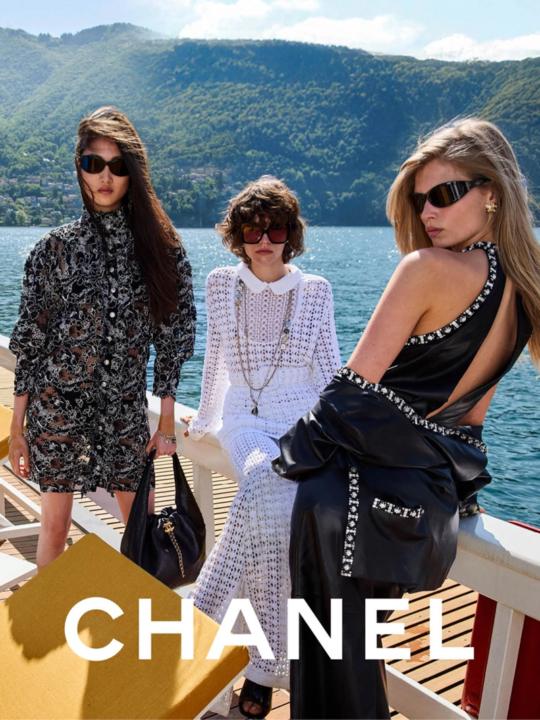
One of the consistent questions I'm asked on my Tiktok Live sessions is what makes a brand luxury. And whilst there is not an agreed definition, part of the operating system of a luxury brand relates to having discipline in all areas; distribution, design, product development, marketing and indeed even pricing. Now, most brands might discount to sell more units. But true, bonafide, luxury players do the opposite. You see, people think luxury is expensive because it costs more to make. That's genuinely not the case, I assure you. Luxury is expensive because demand is controlled. And a mechanism like discounting breaks that system. When a brand decides to discount it tells the customer that this price was always negotiable. And once that happens, that's a watershed moment because customer behaviour changes. They will wait. Your full-price sales slow down. And over time, your brand's pricing power disappears. No longer just margin loss, that is true brand erosion. So when I talk about discipline I want to reference the usual suspects like Hermès, Chanel, and Brunello Cucinelli. All three are undeniably minimal discounters. They maintain tight supply and controlled distribution. It's important to remind yourself that scarcity does absolutely drive desire. And that desire protects price. And then, that disciplined approach to price builds the brand, for the long-term. Discounting is a long-term strategic decision that can genuinely weaken everything you have built.
8d •
Why Some Products Become Icons
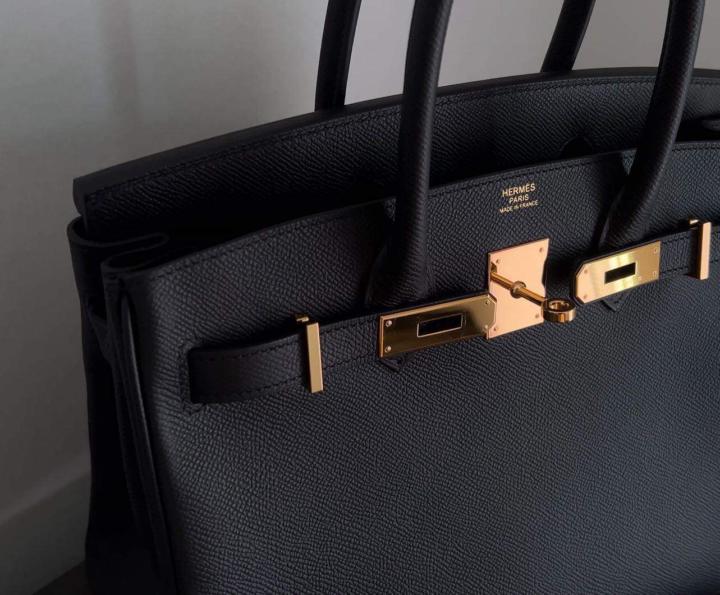
For fashion products to become iconic a lot of intentional actions and engineering occurs that mostly follow the same ruleset. The first is always consistency. True globally iconic products will not often change too much. The Hermès Birkin… the Rolex Submariner… even the Air Force 1… they might evolve slightly but generally the core stays intact. And that builds consumer recognition over time. The second is a word you might be sick of me saying: scarcity. Not everyone can access these products. As I've covered in previous videos (on my TikTok channel), Hermès uses waitlists and quota systems. And Rolex restricts supply through authorised dealers. That in itself creates tension between demand and availability. And that tension drives desirability. Third is cultural reinforcement. You can expect these product to show up everywhere. And I mean everywhere: celebrities. Collectors. Even street culture. And if you remember, that visibility will always compound demand. But let's also consider the HOW. These brands will actively protect their icons through limited production, price adjustments over time which are usually increases, tight distribution and minimal discounting So for example, Chanel has increased prices of its Classic Flap significantly since 2019, reinforcing its status as a luxury icon. An icon is not just a product. Like most things, It’s a system. Built through control and reinforced through culture and protected through business discipline.
2
0
15d •
Desirability: The Real Currency of Luxury
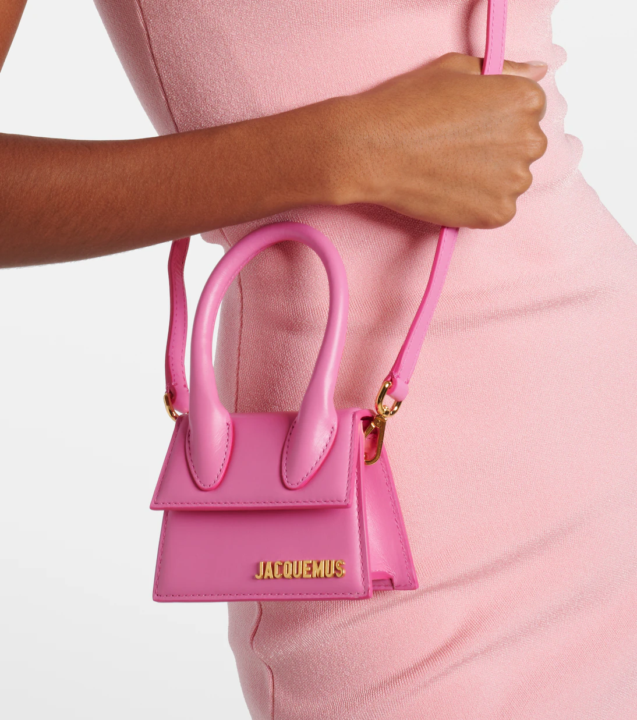
According to Business of Fashion (back in March 2026), brands are increasingly prioritising desirability as a leading indicator of performance because by the time revenue shows up, the demand has already been created… or lost. So what is desirability? Well, It’s actually quite simple. Desirability is the gap between how much people want a product and how easily they can get it. The bigger the gap, the stronger the brand. Let me show you what that looks like. Good desirability: let's Look at Hermès. Like it or not, those waiting lists for Birkin and Kelly bags constrain supply and set strict distribution. So customers don’t just buy the product. They genuinely pursue it. Some, quite rabidly. Another great example is Rolex. At times, there are years-long waiting lists for certain models. And the secondary market premiums above retail. That’s not just demand by the way. This is proper controlled scarcity converting into pricing power. Even if we look at modern examples like Jacquemus we can learn something. From their viral shows to highly shareable campaigns to limited product drops, Jacquemus is able to create cultural heat first then convert it commercially. That is proper desirability engineered for the digital era. Now, let’s consider what bad desirability looks like. Think: overexposure. Overdistribution. Permanent discounting. Products are always available. Always on sale. And always visible. This kind of brand behaviour destroys consumer desire because simply put, if everyone can have it (instantly) no one needs it. So it's important to distinguish that desirability is not a marketing output. It’s a geniune system. You've got product, price, distribution and communication all working together to create controlled demand. And if you get that system right then you don’t have to worry about chasing customers anymore because they'll be chasing you.
17d •
What is Brand Equity?
I regularly use the term “brand equity” in my Tiktok videos. And I figured I should probably explain what it means rather than make assumptions. Because to me brand equity is the foundation of this entire beautiful and sometimes horrifying industry. So firstly. What is it? Well brand equity is simple: It’s the value your brand holds in the mind of the customer. Not your logo or even your product. But what people are willing to pay… how quickly they buy… and how strongly they prefer you over alternatives. That’s brand equity. Now an important area to consider is how brand equity is seen. Because you can't measure brand equity in theory. You'll see it in behaviour. So for example: when a Rolex customer pays over retail on the secondary market — that’s brand equity. When Chanel raises prices by over 60% on a classic bag and demand still holds — that’s brand equity. When Hermès can make customers wait years for a Birkin — and they still queue! — that’s brand equity. Brand equity shows up in pricing power… in waiting lists… and in resale value. So how is it built? Well it's definitely not built through marketing alone. Instead. It’s built through consistency. A business needs to have clear identity. Controlled distribution. Disciplined pricing. And product that people recognise instantly. Obviously over time, those decisions will compound. So to summarise. Brand equity is demand that exists before the product is even available. And once you have that, everything gets easier believe me. You can price higher. You can sell faster. And you can even scale with control. Without it, sadly you’re just competing on product. And that’s a race you don’t want to be in.
6
0

17d •
Fashion Business Fundamentals: Community Archive
Hello everyone, This section is built from my TikTok, the ideas, frameworks, and explanations that people kept coming back to, now organised in one place so you can actually learn from them. This is where I strip fashion back to what actually matters: how the business works. This is not about trends, hype or aesthetics. This is about the underlying system behind every successful fashion brand: Pricing. Margin. Demand. Distribution. Cashflow. Brand equity. Each post answers one core question: What is it? Why does it matter? And how does it show up in real businesses? Theory means nothing unless you can see it in behaviour. You will notice a pattern as you go through these posts: the same principles come up again and again whether I am talking about Hermès controlling supply, Chanel protecting pricing, or Rolex dominating resale value because that is the system of luxury and fashion. The goal of this section is simple: once you understand the fundamentals, you start to see the industry differently. And more importantly, you start to see where the money is. Cheers
6
0
1-5 of 5

skool.com/how-fashion-really-works
Learn the commercial and executive skills used inside real luxury and fashion organisations.
Leaderboard (30-day)
1
+4
2

+3
3

+3
4

+2
5

🚀
+2
Powered by