
Write something

May 12 •
Herbal Synergy for Cognitive Function
According to the National Library of Medicine Research, the phytochemicals in Sage is a key synergistic herb for rosemary in supporting cognitive function. Both herbs contain carnosic acid, which acts as a powerful antioxidant and anti-inflammatory agent, and they are often studied together for their memory-enhancing potential and ability to combat Alzheimer's disease. When used together, along with a few other herbs, you can blend a powerful Brain Function Support tea blend. Today, I have posted a blend in the Medicinal Tea lesson for this purpose. In what other recipes would you use these two herbs?
1
0

Apr 18 •
Rainy Day Blues
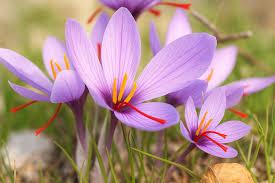
Many people get the "blues" on rainy days. One herb that can potentially have a significant improvement in the seasonal or climate induced depression, when partnered with it's synergistic partner of Ashwagandha, is Saffron (Crocus sativus). It is rather expensive though. What are some other herbs that you would suggest to help with rainy day "blues" and/or seasonal depression?
1
0
Feb 26 •
Lactation Issues & Herbal Remedies
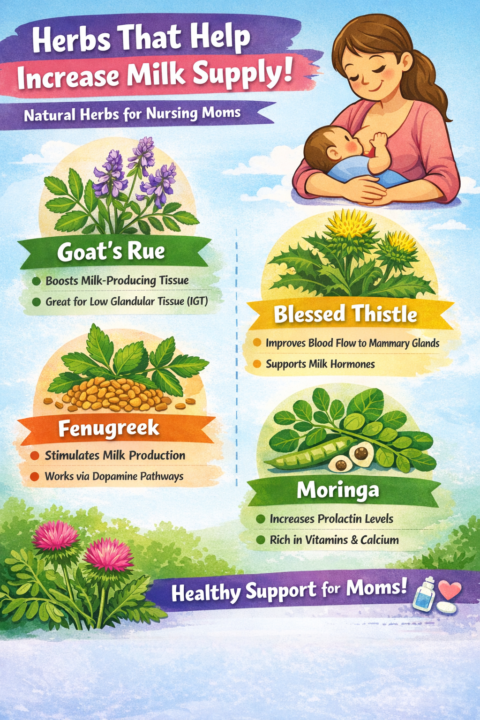
Top Causes of Low Milk Supply •Under-stimulated Breasts (Most Common): Feeding too infrequently, skipping sessions, or using a poor-fitting breast pump flange. •Poor Latch/Milk Transfer: If the baby cannot effectively remove milk due to a poor latch, tongue-tie, or weak suck, the body slows production. •Supplementation: Giving formula instead of breastmilk reduces the baby’s demand on the breast. Hormonal/Medical Issues: •Retained Placenta: Retained placenta fragments prevent progesterone from dropping, which delays or prevents milk from "coming in". •Thyroid Conditions: Hypothyroidism (especially autoimmune/Hashimoto’s) or, conversely, uncontrolled hyperthyroidism. •PCOS & Diabetes: Metabolic conditions can interfere with milk production. •Severe Postpartum Hemorrhage: Significant blood loss during delivery can delay lactation. Certain Herbs are beneficial to increase a mother's milk supply. - Fenugreek: (Trigonella foenum-graecum): Often used in doses of greater than 3500 mg daily. This herb acts by stimulating sweat production (breast tissue is a modified sweat gland). SAFETY NOTE: Fenugreek can often cause gastrointestinal (GI) irritation. High doses (e.g., >100 grams of seeds daily) are more likely to cause significant intestinal distress. - Goat's Rue: (Galega officinalis): Known to increase milk volume, it acts as a galactagogue. (A galactagogue works by increasing prolactin levels or blocking dopamine (which suppresses milk production). SAFETY NOTE: Blood Sugar: Goat's rue can lower blood sugar. If you are diabetic or have low blood sugar, consult a doctor before using it. - Moringa (Moringa oleifera): Studies consistently indicate that moringa leaf supplementation can increase milk production, with some studies showing an increase in daily volume by 135–400 mL. - Blessed Thistle (Cnicus benedictus) & Nettle: Often used in combination with other herbs to support milk supply. Blessed Thistle is often paired with Fenugreek.
0
0
1-3 of 3
powered by

skool.com/hm-wellness-education-center-7173
Education for solutions on Botanicals vs Pharmaceuticals for better family wellness. Practical uses for Herbs in Recipes to create food as medicine.
Suggested communities
Powered by