
Private Course
Module1: Understanding Health Insurance Basics
🌼Module 1: Lesson 1: Understanding Health Insurance
Understanding your health insurance is the first step to accessing the care you need. Many people feel overwhelmed by insurance plans, but once you understand the basics, you can make better decisions and avoid costly mistakes.
HMO vs PPO vs Medicare Advantage
What insurance covers
Key terms (deductible, copay, etc.)
0%

Private Course
What part of your insurance confuses you the most?
🌼 Module 1: Lesson 2: Understanding your health insurance is the first step to accessing the care you need. Many people feel overwhelmed by insurance plans, but once you understand the basics, you can make better decisions and avoid costly mistakes.
HMO vs PPO vs Medicare Advantage
What insurance covers
Key terms (deductible, copay, co-insurance)
0%
Private Course
Healthcare Navigation & Patient Advocacy 101
Module 1: Lesson 3: Welcome to Our Classroom - Healthcare Navigation 101:
Where we Will Navigate
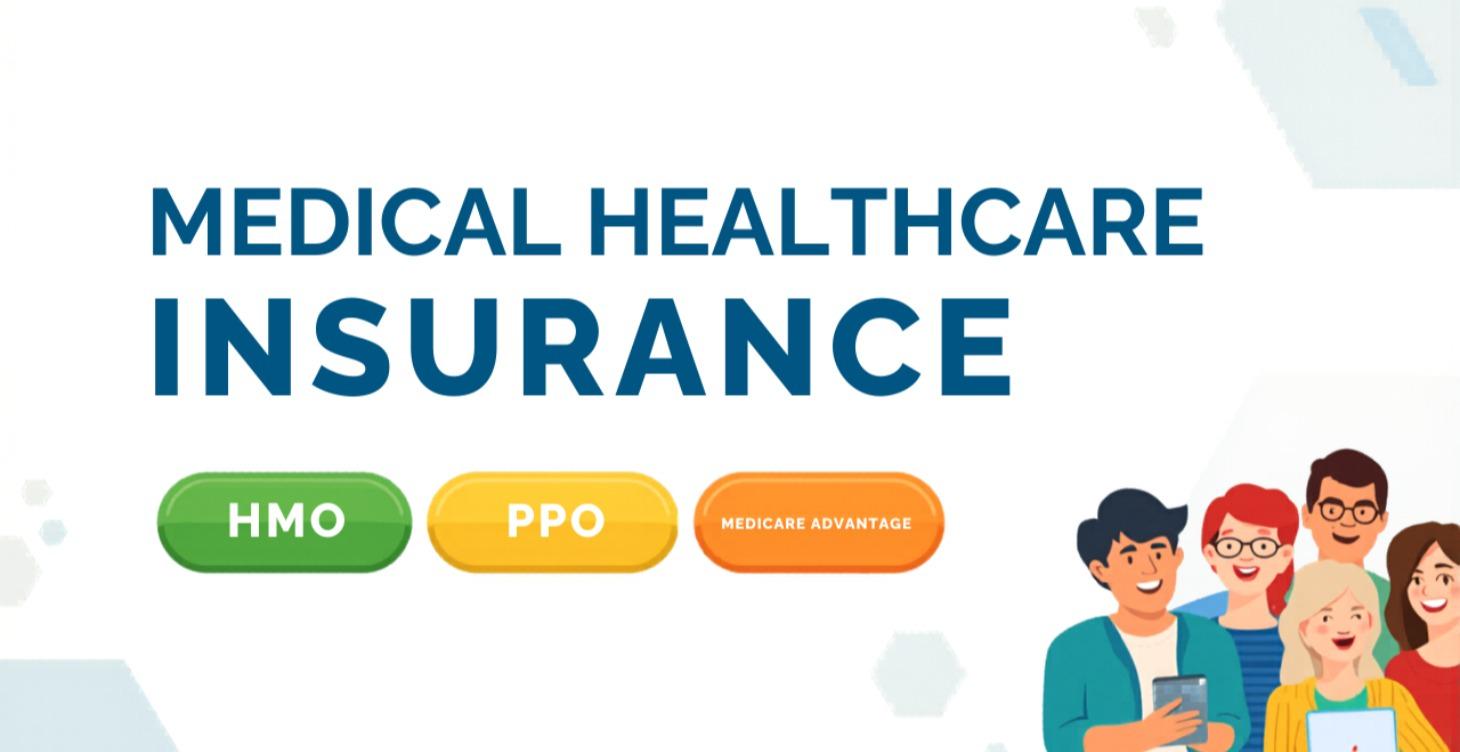
HMO vs PPO vs Medicare Advantage - Q&A
What insurance actually covers -Q&A
Common terms (deductible, copay, out-of-pocket) - Q&A
0%
Private Course
Module 2: Medical Billing Basics
🌼Lesson 1: How Medical Billing Works
-First, you visit a doctor or hospital. After your visit, the provider documents everything—services, tests, and procedures.
-Next, this information is translated into billing codes. These codes are sent to your insurance company in what’s called a claim.
-Your insurance then reviews the claim and decides what they will pay, based on your plan.
-After that, you receive a bill for the remaining balance—this could include, deductibles, or coinsurance.
0%
Private Course
Module 2: Medical Billing Basics
🌼Lesson 2: Why Medical Bills Are Often Incorrect
1.Incorrect codes
2. Duplicate charges
3. Services not received
4. Insurance denial mistakes
5. Incorrect Identification number
6. Incorrect date of birth (DOB)
7. Incorrect Procedure code
8. Incorrect Diagnosis
9. Incorrect first/last name
10. Out-of-network surprises
11. Other Primary insurance
12. Incorrect Provider Identification Number (ID#)
🌟Key takeaway: Always review your bill—you could save hundreds or even thousands of dollars.
0%
Private Course
Module 2: Medical Billing Basics
🌼Lesson 3: How to Read a Medical Bill
Reading a medical bill may seem overwhelming, but it becomes easier when you know what to look for.
Start with the patient information—make sure your name and details are correct.
0%

Private Course
Module 3: Understanding Insurance Costs
🌼Lesson 1
A deductible is the amount you must pay out of pocket before your insurance starts to pay.
For example, if your deductible is $1,000, you must pay that amount first before your insurance begins covering costs.
Some services, like preventive care, may be covered before you meet your deductible.
📝 Lesson Text
Deductible = what you pay first
Insurance pays AFTER deductible is met
Some services may be exempt
💡 Key takeaway: A lower monthly premium often means a higher deductible.
0%
Private Course
Module 3: 🧩 Lesson 2: Copays vs Coinsurance
🌼 Lesson 2 :
Copays and coinsurance are both ways you share costs with your insurance—but they are different. A copay is a fixed amount you pay for a service, like $25 for a doctor visit.
Coinsurance is a percentage of the cost. For example, you might pay 20% while insurance covers 80%.
📝 Lesson Text
Copay = fixed amount
Coinsurance = percentage
Both apply after certain conditions
💡 Key takeaway: Coinsurance can vary depending on the cost of services.”
0%

Private Course
Module 3:🧩 Lesson 3: In-Network vs Out-of-Network
🌼Lesson 3:
Insurance companies have networks of doctors and providers.
In-network providers have agreements with your insurance, which means lower costs for you.
Out-of-network providers do not have agreements, which often results in higher charges.
Always check if your provider is in-network before receiving care.
In-network = lower cost
Out-of-network = higher cost
Always verify before appointments
💡 Key takeaway: Staying in-network can save you a significant amount of money.
0%
Private Course
Module 4: Appointment Scheduling Essentials
🌼 Lesson 1: Understanding Appointment Types
Appointment scheduling is more than just picking a date and time—it starts with understanding the correct appointment type
Other types may include:
Routine check-ups; Sick visits
Specialist consultations
Scheduling the wrong type of appointment can lead to billing issues
📝 Lesson Text
New patient = longer time
Follow-up = shorter visit
Always confirm visit reason
🌼 Key takeaway: The correct appointment type prevents workflow and billing issues
0%
Private Course
Module 4
🌼 Lesson 2: Verifying Insurance Before Scheduling
“One of the most important steps in appointment scheduling is verifying insurance before confirming the visit.
This helps ensure:
The provider is in-network
The service is covered
The patient understands their financial responsibility
Skipping this step can lead to denied claims or unexpected bills.
Always collect:
Insurance provider name
Member ID
Group number
🏆 Verifying early helps avoid problems later.”
0%
Private Course
Module 4:
🌼Lesson 3: Managing Provider Schedules Efficiently-Avoid overbooking
“Efficient scheduling also means understanding provider availability.
Each provider may have:
Specific working hours
Blocked times for meetings or procedures
Different appointment lengths
Overbooking or poor scheduling can create long wait times and stress for both staff and patients.
A well-managed schedule improves patient satisfaction and keeps the office running smoothly.”
0%
1-12 of 12