
Write something

10d •
⭐ Science as the Bridge
⭐ Science as the Bridge By Alaina Teaching today’s students means teaching a generation shaped by disruption. Many of my learners missed foundational years during COVID — years where routines, structure, and early academic skills are usually built. These gaps aren’t their fault, and they’re not obstacles to be punished or ignored. They’re signals. They tell me where to support, where to scaffold, and where to teach with intention. My job isn’t to lower expectations or avoid the skills students struggle with. My job is to make learning accessible from wherever they are. If a student has trouble with reading or context clues, I don’t remove the task — I reshape it. I build the skill inside the science, not around it. Modification isn’t avoidance. Modification is precision. That’s why my classroom runs on a simple, adaptable rhythm. A focused learning moment. Practice that fits the pace. A quick check for understanding. A weekly seminar where students learn to think, speak, and listen with clarity. The structure stays predictable, but the timing stays flexible — because no two groups move the same way, and no two students arrive with the same needs. Science is often treated as a standalone subject, but I see it differently. Science is the bridge between ELA and math. It’s where students read with purpose, write to explain, analyze data, interpret patterns, and make sense of the world. When taught clearly and intentionally, science strengthens the very skills students are missing — without turning the classroom into remediation disguised as content. The goal isn’t to make science easier. The goal is to make it make sense. To give students a place where thinking feels possible, where structure feels safe, and where learning feels like something they can do. Clean. Clear. Adaptable. That’s the heart of my teaching philosophy — and the foundation of every course I create.
6d •
Teacher Lounge: This or That 🔗
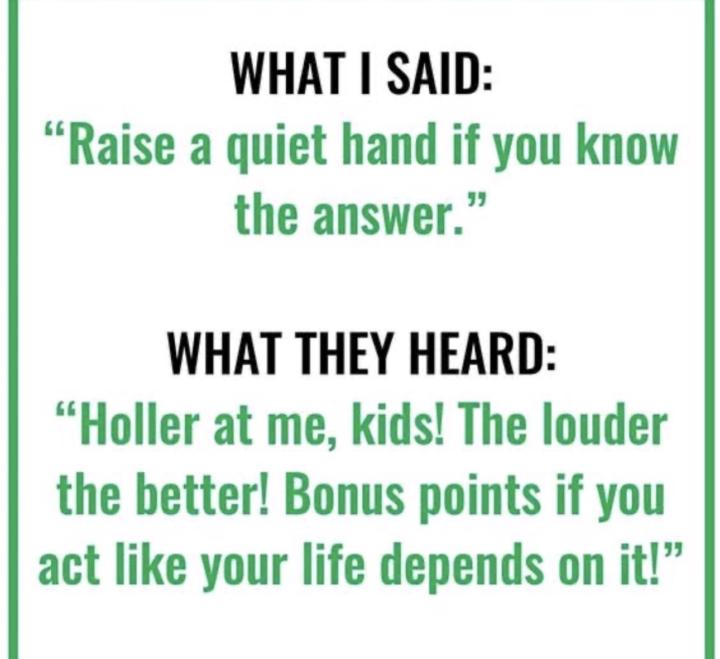
Drop your pick and keep the chain going — add your own “this or that” at the end.
10d •
WELCOME!
Just a quick shoutout to all of our members! Our little community has been growing this week! please check out the community an join the conversations! I am so glad you are here at The Science Spot! @Amy Hall @Amy Horton @Annie Bourgault @Anthony Johnson @Dharma Anders @Hope Young @LouAnn Hinton @Linda Johnson @Vikas Kumar @Megan Nunes @Ziena Walker @Inas Sakr

15d •
⭐ Science Teacher Starter Pack
Describe your science‑teacher personality using three items. Examples: • Safety goggles, iced coffee, chaotic curiosity • Sticky notes, fossils, sarcastic humor • DNA model, glitter pens, “don’t sniff the beaker” energy
1-8 of 8
powered by
skool.com/geek-girls-collective-1951
NGSS aligned, ready‑to‑teach science resources that build teacher confidence and spark real thinking in every classroom.
Suggested communities
Powered by