
Write something

6d •
The Big Number in Franchising
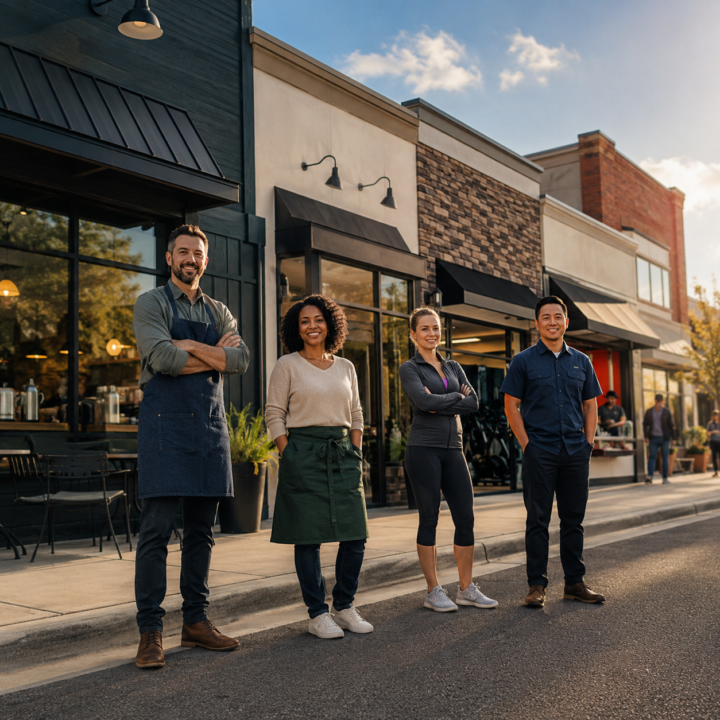
There's a version of the American economy that rarely makes headlines, and it's worth $550 billion. That's what franchise establishments generated in GDP in 2024, according to Oxford Economics' latest report for the International Franchise Association Foundation. Alongside that figure, franchises supported nearly 8.8 million jobs, which works out to 5.5% of total U.S. employment. To put that in perspective, that's roughly the economic output of the entire Philadelphia metro area, generated not by a handful of mega-corporations but by hundreds of thousands of individual owner-operators across the country. Franchising works, at its core, because it solves a problem that has plagued businesses since Benjamin Franklin franchised a printing shop in 1731: how do you align the incentives of the person running the day-to-day operation with the interests of the brand behind it. The answer is ownership. Franchisees aren't hired managers collecting a salary, they're investors and CEOs with skin in the game, and that's exactly why the model has scaled for nearly 300 years. If you're still picturing franchising as a handful of national chains slinging burgers, it's time to update the mental model. This is a $550 billion engine, and it's running on local ownership.
0
0
9d •
Brand Power; Why Existing Recognition Matters
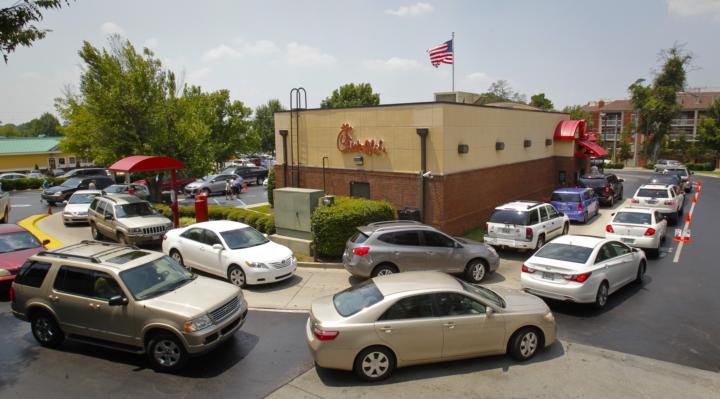
From time to time someone will ask me, "Why should I open a franchise, pay a franchise fee and ongoing royalties, instead of just starting my own brand?" I often reply by asking them this question. Have you ever witnessed what happens when a new Chick-fil-A opens? It doesn't matter if it's the first location in a city, or the fifth. It's madness and mayhem with lines of cars wrapped around the building being served by happy, smiling teenagers. Launching a new brand is hard. People don’t know who you are, what you do, or why they should trust you. It can take years of marketing to build credibility. With franchising, with the right brand, you get brand recognition from day one. It may be local or regional recognition with an emerging brand, or global recognition with an empire brand like Chick-fil-a. But that recognition matters immensely. Customers may have seen the brand in other locations, online, or in advertising. That familiarity can: 1. Make them more willing to try your location. 2. Shorten the time it takes to build a loyal customer base. 3. Reduce your spend on “educating the market” about what you do. 4. Give you a "hockey stick" trajectory toward profitability versus a long, slow climb. Of course, this depends on the brand’s reputation. Part of due diligence is making sure you’re aligning with a brand you’re proud to represent. But when the brand is strong, you’re not starting at zero, you’re joining a story that already has momentum. Question for you: which matters more to you personally, a brand that’s already well-known, or the chance to build something more unique but less recognized? There's no right or wrong answer. It all comes down to how you're wired as an entrepreneur. If you're not sure about how to answer that question, we have a free entrepreneurial assessment that will help you figure it out. You can take the free assessment here: https://zorakle.net/assessment-portal/welcome/quantumfranchisegroup
0
0
11d •
Franchising Is Bigger Than Food
It wasn't too many years ago that when someone mentioned franchising to me, I immediately thought of McDonald's or Subway, or Dunkin Donuts. It wasn't until 2019 that I realized franchising was bigger than food. That's when I invested in a travel agency franchise. In 2023 I founded Quantum Franchise Group and was amazed at the breadth and depth of franchising in the United States. We're now contracted with about 500 franchise brands across 37 different industries. If business ownership feels like the right path for you, but you don't know where to start, or what kind of business to open, we can start by looking at your business experience, your areas of greatest expertise, your interests, your hobbies, even the things you used to love doing as a child that you didn't realize you could build a business around as an adult. I'm confident that there's a franchise for you that has been tested, proven, replicated across many markets, with a plug & play operational playbook and an investment that fits your current financial position. I've attached the list of industries with franchises we work with to find new owners like you. Take a look at the list, and then schedule 15 minutes with me to talk about what it would look like to explore options together at no cost to you. You can schedule with me at www.acallwithwill.com

13d •
The Role of Systems in Reducing Risk
In business, chaos is expensive. Every unclear process becomes a mistake, delay, or lost opportunity. One big advantage of franchising is pre-built systems. Before you open, a good franchise gives you: - Operating manuals: how to deliver the product or service consistently - Training: how you and your team learn the right way from day one - Tools: POS systems, marketing templates, hiring guidelines, vendor relationships Why does this matter? Because systems reduce the number of unknowns you have to solve alone. You still need to execute well, manage people, and lead—but you’re not inventing the wheel each time. That can dramatically lower the risk of early failure. Think of it like cooking: starting a business from scratch is inventing your own recipe; franchising is learning a proven recipe with a chef helping you avoid burning the dish. Question for you: if you owned a franchise, what’s the first system you’d want to be strong, operations, marketing, training, or finances?
0
0

14d •
Franchise Ownership vs “Being an Employee”
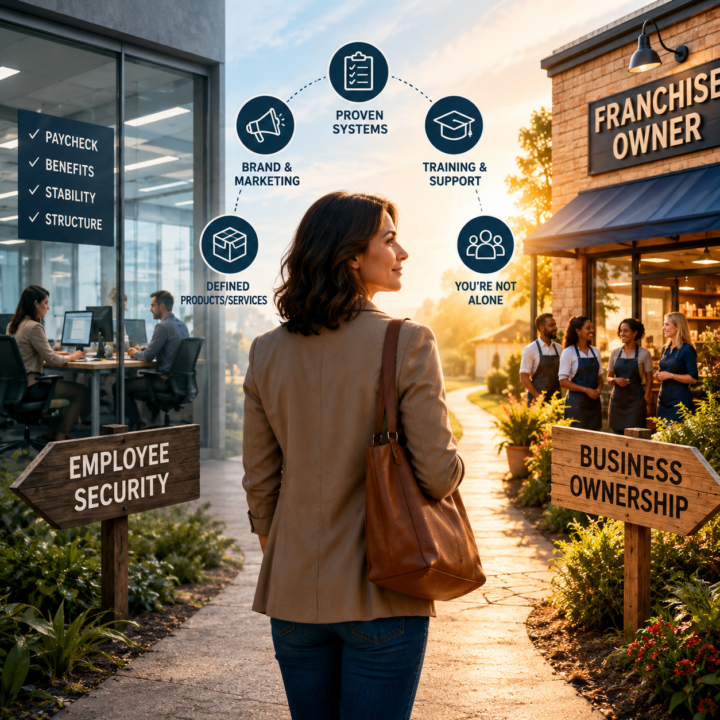
A lot of professionals think of business ownership as a giant leap from being an employee to “going all in” on their own idea. That leap can feel scary—especially if you have a family, a mortgage, and responsibilities. Franchise ownership can offer a bridge between those two worlds. Instead of inventing a business and hoping the market responds, you step into a model that already has: - Defined products or services - A brand and marketing strategy - Operating procedures and training You’re still the owner. You still make decisions. But you’re not alone in figuring everything out. This matters for people who: - Want more control and upside than their current job offers - Want a clearer, more structured path than a completely new startup - Value guidance and proven systems more than “doing it all my own way” In other words, franchising doesn’t replace entrepreneurship—it shapes it. Question for you: what’s one thing you’d want to keep from your current job (stability, income level, schedule, benefits), and one thing you’d want to change through franchise ownership?
0
0
1-6 of 6
powered by
skool.com/future-franchise-owners-5797
A welcoming community created to educate you about the realities of franchise ownership, how to evaluate brands, and avoid costly mistakes.
Suggested communities
Powered by