

🔥
26d •
Currently writing a course on ADHD and Time...
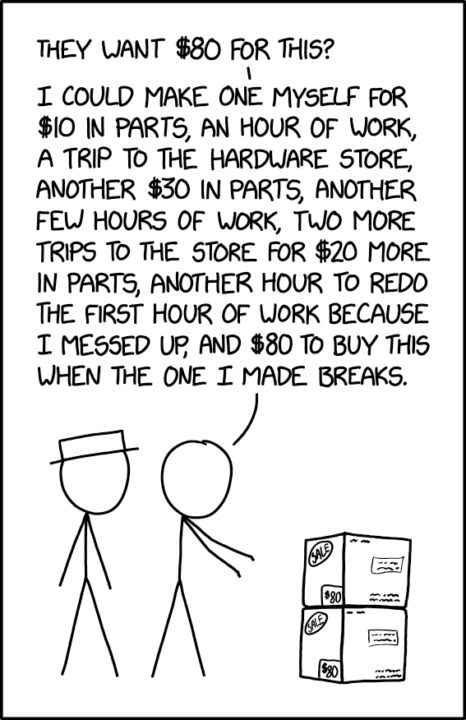
I want to share a bit about what I've learned. - ADHD brains don't track time like neurotypical brains. Time for us is not linear. 𝗜𝘁'𝘀 𝗡𝗼𝘄 𝗮𝗻𝗱 𝗡𝗼𝘁 𝗻𝗼𝘄. - 𝗪𝗲 𝗳𝗲𝗲𝗹 𝘁𝗶𝗺𝗲. What does this mean? We base decisions on how long something will take by the way it makes us feel. If a task 𝗳𝗲𝗲𝗹𝘀 hard, we think that it will take a long time. If a task 𝗳𝗲𝗲𝗹𝘀 easy, we think we will get it done super fast. This is why we avoid some tasks for extended periods of time, only to do the task and be surprised how fast we got it done. Or the opposite - we dive into the "easy" task and it ends up taking a long time and throws off our whole day. - This makes it hard for us to estimate how long something will take. We either over-estimate or under-estimate. This information has me reflecting on my experience with time over the years. I can see the pattern clearly now that I understand it. 𝗪𝗲 𝗰𝗮𝗻 𝗵𝗼𝗻𝗲𝘀𝘁𝗹𝘆 𝘀𝗮𝘆 𝘁𝗵𝗮𝘁 𝘄𝗲 𝗹𝗶𝘃𝗲 𝗶𝗻 𝘁𝗵𝗲 𝗺𝗼𝗺𝗲𝗻𝘁! I am curious. What are your thoughts and experiences with time?

🔥
Apr 26 •
Seen. Felt. Heard
Just saw this reel and this guy nailed it 🤣https://www.instagram.com/reel/DW3nXJGgnVx/?igsh=MWZ4M3ZvbnFjMDAwbg==

11d •
How I get Sh*t done as an ADD entrepreneur
As some of you might know, I grew up with ADD, but only got diagnosed around age 21. That meant that during primary school and high school I struggled a lot with staying focused at school. But I didn't know why and I didn't know how to deal with the problem. I did okay in school, but it took a lot of effort, specifically for maths and science lessons. Today I am truly grateful for my ADD and the way my brain works, I have learned how to deal with it and how to optimise my day for maximum efficiency. I have 3 simple rules that I live by and that have helped my tremendously over the years to increase my productivity and enjoyment in everything I do. 𝟭) 𝗠𝗮𝗸𝗲 𝗶𝘁 𝗳𝘂𝗻 I genuinely hate doing admin work. But it's what keeps you in business, so even if you hate it, it still needs to be done. So one day I asked myself "How can I make this more fun?". So I put on my headphones and started playing some of my favourite Lord of The Rings and Harry Potter soundtracks in the background. There something about putting on headphones that allow me to block out distractions instantly and those soft, epic and magical tunes in the background that sweep me into flow state. I now have an 18 hour long playlist with all kinds of cinematic music and music from artists like Ludovico Einaudi, etc. 𝟮) 𝗗𝗼𝗻'𝘁 𝗷𝘂𝗺𝗽 𝗳𝗿𝗼𝗺 𝗼𝗻𝗲 𝘁𝗵𝗶𝗻𝗴 𝘁𝗼 𝘁𝗵𝗲 𝗻𝗲𝘅𝘁 This one speaks for itself and you might be thinking DUH. But you would be surprised at how often you get interrupted by random thoughts, other people, notifications, ... and how long it takes you to return to your flow state. Besides turning notifications off and letting people know that they can't disturb you, if for example you're wearing your headphones. One other cure for this is a concept that's called "Timeboxing". I've learned about timeboxing from Nir Eyal (writer of "Indistractable"). And it essentially says that you should do batch work as much as possible and at the right timing.

1-30 of 230

skool.com/founders-guild
Helping ADHD entrepreneurs go from scattered ➜ focused (and make $10,000+/month)
Leaderboard (30-day)
1

+45
2
🔥
+35
3

+24
4

+22
5

+17
Powered by