
Write something

May 9 •
GRANT FUNDING
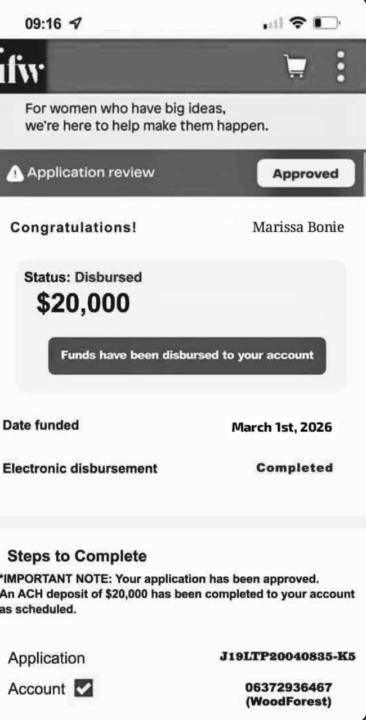
Who needs a List of grants to get their business off the ground ‼️ guarantee approval within a week NO PAY BACK!! For more information, contact me directly via WhatsApp, iCloud email or Telegram.👇 💬WhatsApp: +1 (730) 278-6928 📲 Telegram:https://t.me//k... or @kbsgrant 📧 iCloud: [email protected] Approval is 💯% guaranteed.
0
0
Apr 29 •
GRANT FUNDING
Who needs a List of grants to get their business off the ground ‼️ guarantee approval within a week NO PAY BACK!! For more information, contact me directly via WhatsApp, iCloud email or Telegram.👇 💬WhatsApp: +1 (730) 278-6928 📲 Telegram:https://t.me//k... or @kbsgrant 📧 iCloud: [email protected] Approval is 💯% guaranteed.
0
0

Dec '25 •
Why DPC—and What’s Holding You Back?
What first made you consider DPC—and what is your biggest concern right now? If you’re early: - What’s pulling you toward DPC? - What’s holding you back? If you’re already practicing: - What did you not expect to be as hard as it is? - What do you wish someone had told you sooner? There’s no “right” stage to be in here.Just real people, real decisions, and real conversations. Jump in wherever you are.
Dec '25 •
Let’s Talk About the Real Concerns
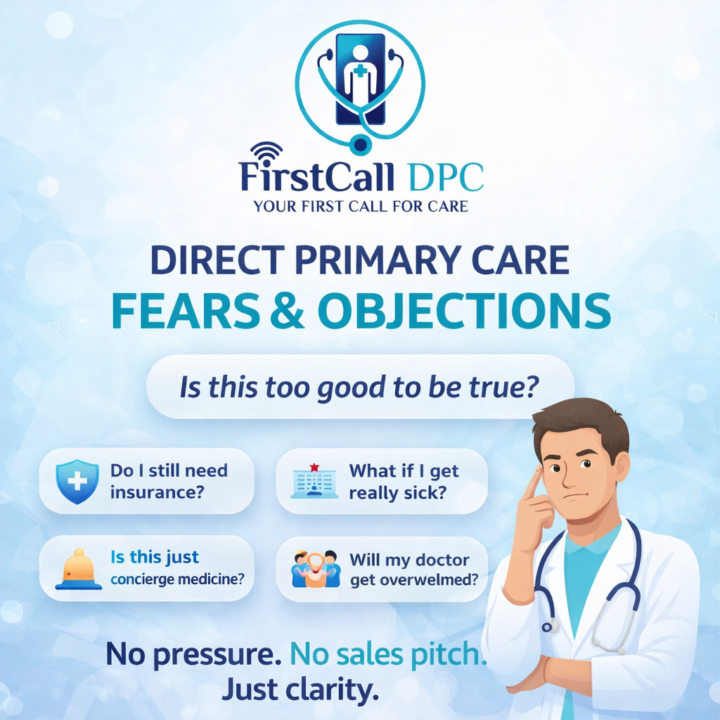
If Direct Primary Care sounds too good to be true, you’re not wrong to be skeptical. Most people have been trained—by years of rushed visits, surprise bills, and fragmented care—to assume there’s always a catch. So when you hear things like unlimited visits, direct access, or no insurance, your brain naturally asks: - “Do I still need insurance?” - “What happens if I get really sick?” - “Is this just concierge medicine with a nicer name?” - “What if my doctor is overwhelmed?” - “Why isn’t everyone doing this?” These are not naïve questions. They’re intelligent ones. Direct Primary Care isn’t a hack. It isn’t a loophole. And it definitely isn’t magic. It’s a different structure—one that removes insurance from the exam room so the relationship between doctor and patient can function again. DPC does not replace insurance for hospitalizations, emergencies, or major procedures. It replaces the broken primary care layer—where prevention, continuity, and decision-making are supposed to live but often don’t. It’s also important to say this clearly: Not all DPC clinics are the same. Some overpromise access. Some underdeliver structure. Some blur boundaries in ways that aren’t sustainable. This community exists to explain what good DPC looks like, where the limits are, and how to evaluate whether it’s the right fit for you. No pressure. No sales pitch. Just clarity. If DPC makes sense for you, it should feel grounded, logical, and empowering—not confusing or rushed. And if it doesn’t? That’s an honest outcome too.
1
0
1-4 of 4
skool.com/firstcalldpc
Direct primary care gives unlimited access to your doctor, same-day visits, clear pricing, and no insurance—medicine built on trust.
Powered by