
Write something
Apr 13 •
What Does a Real Optimization Program Look Like Inside a DPC Practice?
Most Direct Primary Care practices start with the same mission: Restore time.Restore access.Restore the doctor–patient relationship. But once that relationship is strong, the conversation changes. Patients stop asking only:“Can you treat this problem?” They begin asking:“How do I prevent the next problem?”“How do I improve energy, recovery, and metabolic health?”“How do I maintain muscle as I age?”“How do I reduce cardiovascular risk before disease develops?”“How do I optimize hormones responsibly?”“How do I objectively measure progress?” This is where structured optimization belongs inside the DPC model. Not guesswork.Not supplement stacks based on social media trends.Not protocol mills. Structured. Strategic. Physician-Led. Core Philosophy of FirstCall Optimization™ Optimization is not motivation.Optimization is measurement, interpretation, and adjustment. We focus on identifying physiologic constraints and systematically improving them over time using objective data. Key principles: • longitudinal biomarker tracking • individualized treatment decisions based on clinical context • structured reassessment intervals • avoidance of unnecessary polypharmacy • integration of lifestyle, nutrition, sleep, and training variables • ethical hormone optimization when appropriate • transparency with patients regarding expected magnitude of benefit Optimization should improve healthspan markers without compromising long-term safety. Core Components of the Program 1. Structured Lab Cadence We track biomarkers at defined intervals rather than ordering random labs reactively. Typical cadence: Baseline16 weeks32 weeksAnnual reassessment Focus areas often include:metabolic markerslipids and cardiovascular risk markershormonal balancethyroid physiologymicronutrient statusinflammation markersinsulin sensitivity markers The objective is trend analysis, not isolated lab interpretation. 2. Genetic Insight (3X4 Genetics) Genetics informs risk architecture but does not dictate destiny.
Poll
Cast your vote
0
0
Mar 25 •
ATS-Compliant Resume
I’m currently offering professional resume support for job seekers who want to improve their chances of landing interviews. Services I offer: • Resume writing & revamp • ATS-compliant optimization • Cover letter writing • LinkedIn profile optimization • Professional resume review If you need help with your resume or job search documents, feel free to reach out. [email protected]
1
0
Dec '25 •
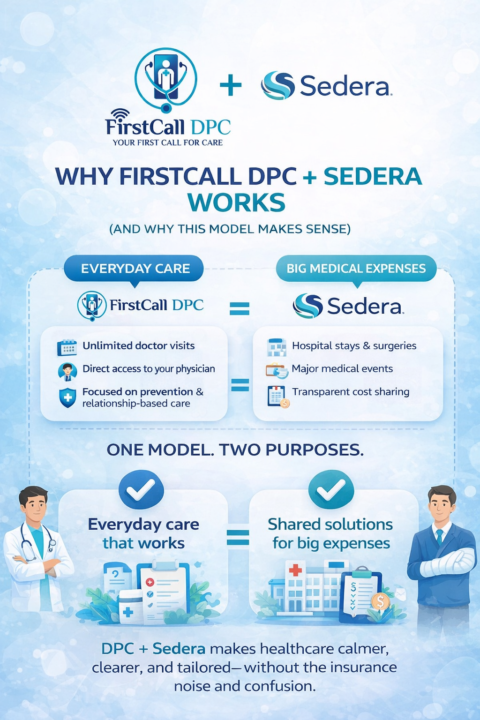
Why FirstCall DPC + Sedera Works (And Why This Model Makes Sense)
One of the most common questions we hear is: “If you don’t use insurance, how do people handle big medical expenses?” It’s a fair question—and an important one. To understand why FirstCall DPC and Sedera work so well together, you first need to understand what each one is designed to do—and just as importantly, what they are not designed to do. What FirstCall DPC Is Built For FirstCall DPC exists to fix what traditional insurance-based healthcare breaks at the primary care level. Direct Primary Care works because it: - Removes insurance from the exam room - Restores direct access to your physician - Allows unrushed visits and continuity of care - Focuses on prevention, decision-making, and coordination Primary care is where most healthcare actually happens: - New symptoms - Chronic disease management - Preventive screening - Medication decisions - Early intervention And yet, it’s the part of the system most distorted by insurance. DPC fixes that layer completely. What DPC is not designed to be: - Hospital insurance - Catastrophic coverage - A replacement for emergency care or major procedures That’s not a flaw—it’s intentional. What Sedera Is Built For Sedera is a medical cost-sharing community. It is not insurance, and it does not pretend to be. Sedera exists to help members share the cost of: - Hospitalizations - Surgeries - Major medical events - High-cost care that no one should pay for alone Sedera works best when: - Care is planned and appropriate - Costs are transparent - Members are active participants in decisions - Waste and unnecessary utilization are reduced Which leads to an important insight… The Problem with Traditional Insurance (The Middle) Traditional insurance tries to do everything: - Pay for routine care - Pay for catastrophic care - Control behavior through billing codes - Manage costs through bureaucracy The result? - Rushed visits - Fragmented care - Defensive medicine - Skyrocketing premiums - Little accountability for outcomes
0
0
1-3 of 3
skool.com/firstcalldpc
Direct primary care gives unlimited access to your doctor, same-day visits, clear pricing, and no insurance—medicine built on trust.
Powered by