
Write something

3d •
How Many Times Do You Need to Hear it?
National Geographic just posted—again—that Type 2 diabetes is reversible earlier and faster than we were once told.With lifestyle intervention. So let me ask a real question:How many times does the science need to say this before you do something about it? And to the people in the comments getting angry—pause for a second.If this keeps being shown in study after study, maybe the problem isn’t the science. Stop arguing with data.Stop defending what hasn’t worked. Action beats outrage. Every time.
9d •
Blood sugar doesn’t lie.
It doesn’t respond to effort, intention, or motivation. It responds to physiology. When numbers stay outside normal or target ranges, that isn’t a moral failure — it’s feedback that something in the current strategy doesn’t match how your body responds. Most diabetes plans focus on rules: Eat this. Avoid that. Follow the plan. Rules can lower numbers short term.Understanding keeps them controlled long term. When you understand cause and effect — how food, stress, sleep, timing, and activity affect you — you gain flexibility. You can adapt when life changes instead of starting over. Blood sugar is information.And information is power — when you know how to use it. That’s the shift that makes diabetes manageable in real life.
2
0
10d •
How To Tighten Blood Glucose Ranges Safely
Using CGM data intelligently requires context. For individuals on glucose-lowering medications, tightening ranges must be done carefully. As lifestyle changes improve insulin sensitivity, medication doses may need adjustment to avoid overcorrection and hypoglycemia. Consistently lower fasting values or rapid improvements should be shared with a provider — with CGM data — so treatment can be updated safely. In these cases, CGMs are not optional. They’re protective. For those not on medication, the risk of true hypoglycemia is much lower. However, glucose values that are objectively normal may feel low if the body has adapted to chronic hyperglycemia. This is not danger — it’s recalibration. Intelligent CGM use means: Watching trends, not isolated numbers Adjusting gradually Understanding medication status Allowing the nervous system time to adapt Data should inform thoughtful change — not provoke reaction.
0
0
14d •
Continuous Glucose Monitors
CGMs are powerful tools — but they are not perfect instruments. Some variability in readings is expected: - Interstitial glucose lags behind blood glucose - Rapid rises or drops can exaggerate readings - Compression lows and pressure artifacts occur - Hydration and inflammation influence accuracy All highs or lows should be double checked with a finger stick. Sorry everyone, you can't escape this and assume your CGM is accurate On top of device limitations, physiology itself fluctuates. Sleep quality, stress load, illness, recovery, and hormonal shifts all affect glucose handling. This is why one day can look smooth and another unpredictable. The mistake is treating CGM data as moment-by-moment truth instead of pattern-based information. CGMs work best when used to: - Identify recurring responses - Compare trends across days - Guide thoughtful adjustments They are not meant to provoke constant reaction. Accuracy matters — but interpretation matters more.
0
0
15d •
Why Obsessing Over Every Reading Makes Control Worse
Spikes are part of human physiology.They are not the enemy. What undermines progress is reacting emotionally to every glucose rise. When spikes trigger frustration or panic: - Stress hormones increase - Blood sugar regulation worsens - Momentum and confidence drop This creates a feedback loop where glucose becomes harder to manage — not easier. Effective use of CGM data focuses on: - Overall patterns - Time spent in target ranges - Magnitude and duration of elevations The goal is not perfection.The goal is progressively more time in range and smaller, faster-resolving spikes. That requires calm interpretation, not constant reaction. Remove emotion.Adjust inputs.Retest.Repeat. That’s how control improves sustainably.
0
0
1-30 of 35
powered by
skool.com/fds-step-by-step-system-6487
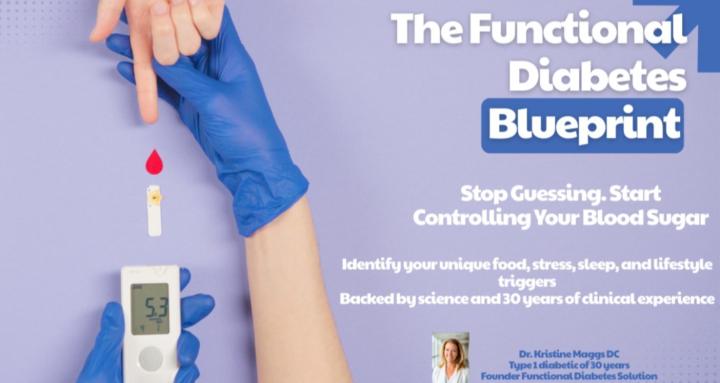
This is a self guided step by step blueprint for Type 2 diabetes reversal and control
Suggested communities
Powered by