
11d •
My first baby looked like a tiny tanned being, yes, slightly yellow.....
If you’ve ever seen a newborn baby with a yellowish tint to their skin or the whites of their eyes, you’ve seen the liver talking. It’s one of the first visible signs that a brand-new body is still learning how to do its job. And while most people associate that yellowing with babies, it shows up far more often than you’d think — in adults, too. What That Yellow Actually Means That yellow color is caused by a substance called bilirubin. It’s a yellow pigment your body naturally produces when it breaks down old red blood cells. Normally, your liver filters bilirubin out of the blood and sends it through bile into your digestive system, where it exits the body. Simple enough — when everything’s working well. But when the liver is overwhelmed, underdeveloped, or struggling, bilirubin starts to build up in the blood. And when there’s too much of it, it shows. Your skin turns yellow. The whites of your eyes turn yellow. Sometimes even the inside of your mouth. That’s jaundice — and it’s the body’s way of waving a flag that the liver needs attention. In newborns, it’s incredibly common. Up to 60% of full-term babies develop jaundice in their first week of life because their livers are still maturing. It usually resolves on its own. But the same signal shows up in adults under very different circumstances — and that’s when it becomes important to pay attention. When Adults See Yellow Yellowing skin or eyes in adults can appear after surgery — especially procedures involving anesthesia, which the liver has to process. It can show up during or after heavy medication use, since many drugs are metabolized through the liver. It’s seen in people dealing with hepatitis, gallstones, or bile duct blockages. It can follow periods of heavy alcohol consumption. And sometimes it appears during or after illness, when the body has been under significant stress and the liver is working overtime. In every case, the message is the same: the liver is telling you it’s overloaded. Why the Liver Deserves More Credit
1
0
21d •
Linktree
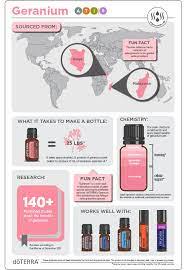
If you're curious to find out more about cptg essential oils, why not book a call https://linktr.ee/BetwixtBetweenHolisticLiving
0
0
Mar 26 •
Online Info Class
I’ve been having so many lovely chats lately about energy, hormones, and just *feeling better in ourselves*… and it inspired me to put something simple together So I’m hosting a relaxed online class where I’ll share a few of the natural things I use in my own daily life to support: energy (without the crashes) mood & stress sleep and those little everyday aches & hormonal ups and downs Nothing complicated, nothing overwhelming… just simple, practical things you can actually use straight away. I’ll also show you the little chocolate energy bites I’ve been making (and sharing locally ) and why balancing what we eat can make such a difference to how we feel. This is very much a “come as you are, cup of tea in hand” kind of space no pressure, just a chat and a chance to learn something new. If you feel like your body could do with a bit more support right now, you’re so welcome to join us Pop a “YES” below or send me a message and I’ll get the details over to you
0
0
Mar 24 •
Opening the Door to a Hypnotic State By Dr Joe Dispenza
Your brain creates meaning between what it feels internally and what it perceives externally. So, when living in a state of stress, the brain naturally narrows its focus to everything physical and material: the familiar people, places, and things it perceives through the senses. But when you do the opposite – broaden your focus to nothing; open your awareness to space – you feel more of it and less of you. As you relax and move out of that heightened state of arousal, high beta brainwaves slow into alpha. Your brain quiets, and your inner world becomes more real than your outer environment. Keep practicing, relaxing into your heart and staying awake in your brain, and you enter theta: an imaginative, creative, and hypnotic state. This is where the door opens between the conscious mind and the subconscious mind – where you can rewrite programs, rehearse new scripts, and manufacture all kinds of chemicals based on your intention. But where does this information come from? It comes from frequency – from the quantum field. You can watch a clip on YouTube https://youtu.be/N3gtyJLk9Ec?si=QGzsZ5ItHjDgoJ9U
0
0
Mar 9 •
Welcome to the Essential Emotions 101 community!
✨ Let’s Get to Know each other! ✨ We’d love to welcome you to our community! 🎉 Click the bell to allow notifications 👉 😊 Please take a moment to introduce yourself with a post here in the comments, or not. 😊 Not sure what to say? Here's a few ideas to inspire you. 1️⃣ Are you ready to take a hold on your emotions? 2️⃣ What’s your favorite essential oil? Or if you don't know yet what scents do you love—citrus, floral, sweet, spicy or woody? 3️⃣ Do you have a burning question about essential oils that you’ve never found an answer to? We can't wait to hear from you! 💚
0
0
1-5 of 5
powered by

skool.com/essentialemotions101-5952
Discover your emotions, what triggers them and how you can help yourself master them.
Once you master your emotions you master your life.
Suggested communities
Powered by