
Write something
Pinned

⭐
🔥
49m •
Tomorrow Is Bake Day! You Ready?👀
Tomorrow we bake. Put on your air pods, your headphones Or just turn it up in the background while you putter around. This is worth listening to. 𝗤𝘂𝗶𝗰𝗸 𝗰𝗵𝗲𝗰𝗸 𝗯𝗲𝗳𝗼𝗿𝗲 𝘄𝗲 𝗴𝗲𝘁 𝘁𝗵𝗲𝗿𝗲. If you're going sourdough, your levain should be on your counter or going on it later today. If you're going poolish, mix yours this afternoon between 4 and 8 pm. If you're going yeasted, mix your dough tonight before bed and put it in the fridge. Mine's already working. Should be yours too. If you've got questions before tomorrow, drop them here. Anything. Shaping, scoring, steam, hydration, starter, timing. No question is too small. Easier to answer it now than to fix dough at 6 am tomorrow. 𝗜𝗳 𝘆𝗼𝘂 𝗺𝗶𝘀𝘀𝗲𝗱 𝗮𝗻𝘆 𝗼𝗳 𝘁𝗵𝗶𝘀 𝘄𝗲𝗲𝗸'𝘀 𝗽𝗼𝘀𝘁𝘀, 𝗵𝗲𝗿𝗲'𝘀 𝘁𝗵𝗲 𝗽𝗮𝘁𝗵: 🥖 The video that walks through all three baguettes: https://youtu.be/KjcdKbwxZJc 🥖 The shaping technique: [insert link to Thursday's shaping post] 🥖 The three recipes: Yeasted: https://pantry.bakinggreatbread.com/recipes/french-bread-baguette?utm_source=skool&utm_medium=community&utm_campaign=recipe-share Poolish: https://pantry.bakinggreatbread.com/recipes/classic-poolish-baguette?utm_source=skool&utm_medium=community&utm_campaign=recipe-share Sourdough: https://pantry.bakinggreatbread.com/recipes/sourdough-baguettes?utm_source=skool&utm_medium=community&utm_campaign=recipe-share 𝗧𝗼𝗺𝗼𝗿𝗿𝗼𝘄 𝘄𝗲 𝗽𝘂𝘁 𝗶𝘁 𝗮𝗹𝗹 𝘁𝗼𝗴𝗲𝘁𝗵𝗲𝗿. 𝗟𝗘𝗧'𝗦 𝗚𝗢! — Henry ⭐🔥
Pinned
⭐
🔥
2d •
Yeasted vs Poolish vs Sourdough Baguettes. Which One Should You Bake?
There are three ways to make a baguette at home. Yeasted, poolish, and sourdough. They all end up looking like the same loaf, but the journeys are completely different. In this video I walk you through all three. Who each one is for, when it makes sense to pick which path, and the three things that matter more than the recipe itself. If you've ever stood in your kitchen wondering which baguette you should actually start with, this is the breakdown you've been looking for. Pick yours for this weekend's bake-along: 🥖 No starter? Start here. https://pantry.bakinggreatbread.com/recipes/french-bread-baguette?utm_source=skool&utm_medium=community&utm_campaign=recipe-share 🥖 Want bakery flavor without managing a starter? https://pantry.bakinggreatbread.com/recipes/classic-poolish-baguette?utm_source=skool&utm_medium=community&utm_campaign=recipe-share 🥖 Active starter ready to go? https://pantry.bakinggreatbread.com/recipes/sourdough-baguettes?utm_source=skool&utm_medium=community&utm_campaign=recipe-share We've been climbing this staircase for three weeks. Couche on the ciabatta. Poolish on the ciabatta. Now scoring and the roll-out shape on the baguettes. Nothing wasted. Watch the video. Pick your path. Drop questions before you bake. Easier to fix dough than crust. Perfection is not required. Progress is. Come bake with us. — Henry ⭐🔥
Pinned
⭐
🔥
3d •
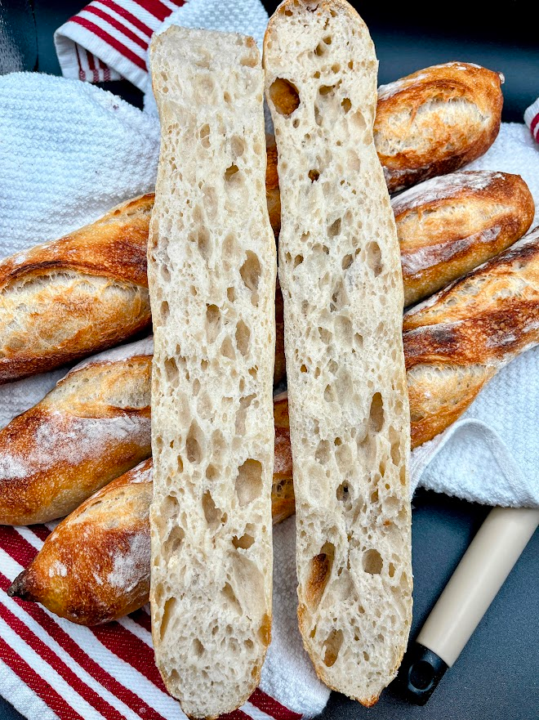
This Weekend We're Baking Baguettes (Building on What We Just Learned)
This weekend we're going to baguettes. And there's a reason we're getting to them now. Look at what we've done the past two weeks. We learned the couche on ciabatta. We built a poolish for that same ciabatta and watched what an overnight pre-ferment does to flavor and extensibility. Both of those skills carry straight over to baguettes. We're not learning new things this weekend. We're putting the same tools to work in a new shape. That's the method. Each bake builds on the last one. Nothing wasted. Three recipes in the Recipe Pantry. Pick the one that matches where you are. 🥖 New to baguettes? Start here. Classic French Bread Baguette — four ingredients, overnight cold ferment, 72% hydration. Two loaves, cleanest entry point in the pantry. No pre-ferment, no starter. Just dough, time, and shape. https://pantry.bakinggreatbread.com/recipes/french-bread-baguette?utm_source=skool&utm_medium=community&utm_campaign=recipe-share 🥖 Liked the poolish ciabatta? Run it back. Classic Poolish Baguette — same poolish you just built, in a new shape. 12 to 16 hour pre-ferment, 75% hydration, three baguettes. If you nailed the ciabatta, you already know how this dough is going to feel. https://pantry.bakinggreatbread.com/recipes/classic-poolish-baguette?utm_source=skool&utm_medium=community&utm_campaign=recipe-share 🥖 Sourdough bakers, this one's yours. Sourdough Baguettes — overnight levain, 75% hydration, three baguettes at 265g. Same shaping rhythm we practiced on the ciabatta couche. https://pantry.bakinggreatbread.com/recipes/sourdough-baguettes?utm_source=skool&utm_medium=community&utm_campaign=recipe-share

9d •
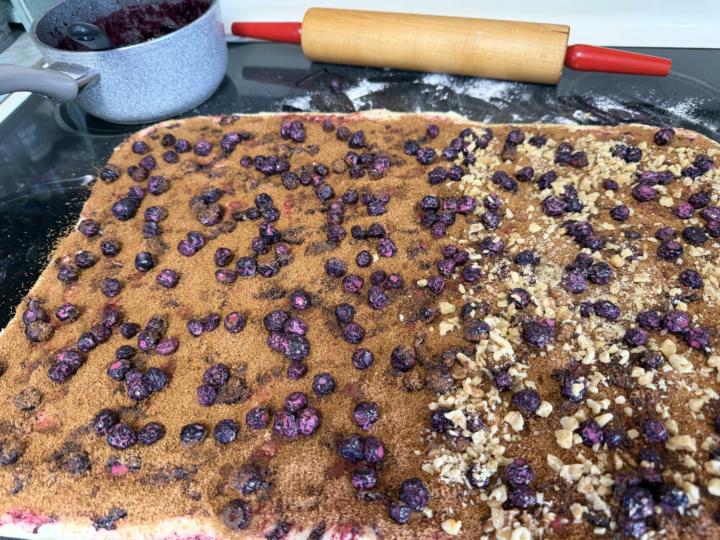
Anticipation!
I kid you not - these are going to be dangerously good! Henry’s Decadent Blueberry Cinnamon Rolls - recipe in the Recipe Pantry.
2h •
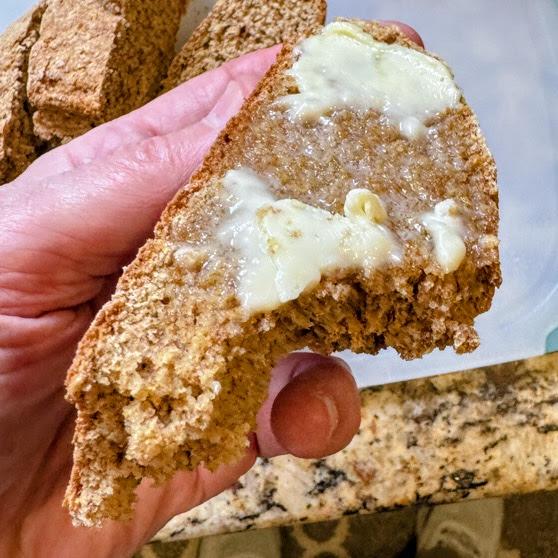
“Bealtaine Bannock”
Gaelic Celtic Bread Challenge A ritual bread year, one loaf each month One loaf for each turning of the year, using modern methods to honor ancient ways.Each bake is inspired by: - An Irish mythological deity, spirit, or persona - A solar or lunar threshold - The agricultural and hearth traditions that shaped Irish foodways Bread is where grain, fire, water, and time meet, and that meeting lies at the heart of the Celtic year. #GaelicCelticChallenge My May bake honors: Bealtaine. One of the four cross-quarter days in Irish Gaelic Celtic tradition. Bealtaine is an Irish Gaelic festival marking the beginning of summer. It is celebrated on May 1st, halfway between the spring equinox and summer solstice. It traditionally marked the time when flocks were driven to their summer grazing lands and would not return until late autumn. The Fire & The Fairies: - On Oíche Bealtaine (May Eve), all domestic hearth fires were traditionally extinguished. They were only relit from the great communal bonfires used to symbolize the sun’s returning power and to purify the cattle and crops. - This is a "thin" time when the veil between worlds is at its wisest. The deep cross and the "fairy holes" are an ancient superstitious nod to "letting the fairies out," ensuring they don't sour the bread or the household's luck. - Yellow flowers (Gorse and Primrose) are scattered here because they were once used to protect the family's butter. It was believed that on May morning, "fairies" or "butter witches" would try to steal the "profit" of the milk, and these solar-colored petals kept the dairy safe. - “Bealtaine Bannock” The Formula & Method are in the comments. #Gramps_Bread #GrampsBread #IrishBread Formula: - Total dough: 1141 g - Total flour: 500 g - 60% Wholemeal flour (300 g) - 30% Plain (AP) flour 150 g - 10% Wheat bran 50 g - 100% Buttermilk (500 g) - 10% Egg (50 g) - 2% salt (10 g) - 1% Baking soda 5 g - 3% Baking powder 15 g - 4.2% Honey 21 g - 8% Olive oil 40 g
1-30 of 1,470
powered by
skool.com/crust-crumb-academy-7621
#1 Rated Bread Community on Skool
Coaching, not judgment. Sourdough, yeasted, enriched & every bread in between.
✔ ProveWorth Certified ⭐⭐⭐⭐⭐
Suggested communities
Powered by