
Write something
Pinned

⭐
🔥
6h •
This Week's Bake — The Pretzel Loaf, Two Tracks
Look at how far we've come. We've learned to watch the dough, not the clock. We've worked on shaping and scoring. We've handled wet dough and figured out how to manage it without panicking. We've built our first preferments and seen what a poolish can do. Now we're going to take everything you've learned and build on it. This week we're baking the pretzel loaf. Two tracks. Same loaf. Yeasted with a poolish if you don't have an active starter, or sourdough if you do. Same hydration, same flour weight, same bath, same bake. Just two different ways to get the dough started. Here's what we're adding to your toolkit this week. The alkaline bath. Most home bakers have never used one. It's the step that turns a regular loaf into a pretzel loaf. Three things happen in that bath, and once you understand the why, you'll never look at a pretzel the same way again. Scoring an alkalized crust. The bath seals the surface tight, which means your score has to do real work. We'll get into where to place it and how deep to go. Reading the bake. The five-minute butter rule. What success looks like when you cut into the crumb. The three most common mistakes and how to fix them before they happen. Here's the thing about doing this together that you can't replicate baking alone in your kitchen. When you bake on your own, you only see your loaf. You don't know if your bulk fermentation went too long or too short until you've cut into it. You don't know what underproofed looks like at hour four versus hour six. You don't know if your bath was strong enough until the loaf comes out pale and you're not sure why. In a bake-along, you're seeing dozens of doughs at every stage at the same time. Someone's hours ahead of you. Someone's hours behind. Someone's about to make the same mistake you almost made yesterday, and you can warn them. Someone else figured something out you didn't, and now you know it too. You get exposed to bread you might never have tried on your own. The pretzel loaf is a perfect example. How many of you would've boiled a bread dough in alkaline water if you weren't doing it as a community? Probably not many. But you'll do it this Saturday, and your kitchen's going to smell like something it's never smelled before.
Pinned
⭐
🔥
Jan 6 •
A Note About the Culture We're Building Here
A lot of you came from Facebook. I run Baking Great Bread at Home over there, 40,000+ members, and I love that community. But I want to be honest about something. On Facebook, you often get one of two things: criticism without substance or compliments without critique. Someone posts a loaf and the comments are either "Beautiful!" when there's clearly something going on, or unhelpful jabs that don't teach you anything. People mean well. They're trying to be kind. But kindness without honesty doesn't make you a better baker. This is a different place. Crust & Crumb Academy is exactly that: an academy. This is where you come to hone your skills and get better. That means when you ask for feedback, you're going to get it. Real feedback. Specific feedback. The kind that actually helps you improve. I'll always be kind. I'll always be encouraging. But you're not going to get empty platitudes from me. If I see something in your crumb, your shaping, your scoring, I'm going to tell you what it is and how to fix it. That's what coaches do. And I want you to do the same for each other. When someone posts a bake and asks for critique, give them something useful. Tell them what you see. Ask questions. Share what's worked for you. That's how we all get better. This is a teaching environment. We're not here to collect compliments. We're here to make better bakers. Perfection is not required. But growth is the goal. Let's get to work. ~Henry
Pinned
⭐
🔥
5d •
Yeasted vs Poolish vs Sourdough Baguettes. Which One Should You Bake?
There are three ways to make a baguette at home. Yeasted, poolish, and sourdough. They all end up looking like the same loaf, but the journeys are completely different. In this video I walk you through all three. Who each one is for, when it makes sense to pick which path, and the three things that matter more than the recipe itself. If you've ever stood in your kitchen wondering which baguette you should actually start with, this is the breakdown you've been looking for. Pick yours for this weekend's bake-along: 🥖 No starter? Start here. https://pantry.bakinggreatbread.com/recipes/french-bread-baguette?utm_source=skool&utm_medium=community&utm_campaign=recipe-share 🥖 Want bakery flavor without managing a starter? https://pantry.bakinggreatbread.com/recipes/classic-poolish-baguette?utm_source=skool&utm_medium=community&utm_campaign=recipe-share 🥖 Active starter ready to go? https://pantry.bakinggreatbread.com/recipes/sourdough-baguettes?utm_source=skool&utm_medium=community&utm_campaign=recipe-share We've been climbing this staircase for three weeks. Couche on the ciabatta. Poolish on the ciabatta. Now scoring and the roll-out shape on the baguettes. Nothing wasted. Watch the video. Pick your path. Drop questions before you bake. Easier to fix dough than crust. Perfection is not required. Progress is. Come bake with us. — Henry ⭐🔥

🔥
5h •
Stiff Starter Squad
Stiff Starter Squad…. Chime in please!!! I’m trying to remember who all uses a stiff starter. I’m tagging who I can remember. If you know a Stiff Starter Squad Member that has NOT been tagged please tag them below. @Donna Angelo @Sandy Chong @Tracy Havlik @Patt Stanaway @Ann Snow @Jen Dolan @Jill Hart If you’re on this list and not using a stiff starter please let me know Thanks EVERYONE!!

6h •
Beginner’s beginner
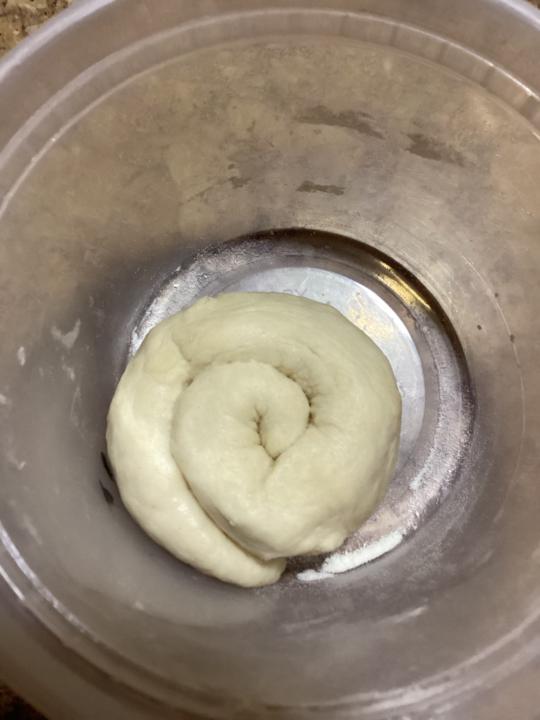
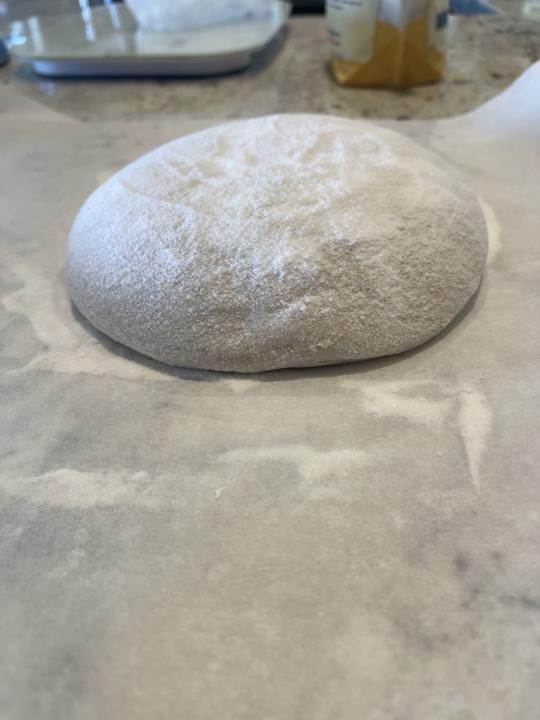
Hi all. Yesterday I built the beginner’s sourdough loaf and cooked it this morning after cold proof overnight. It’s small but maybe it was meant to be. I followed the recipe to a T but I may have chickened out after 4+ hours in the bulk stage afraid of overproofing. It seemed to stop rising and I had it in my oven with the light on. Before I went to bed I formed it and put it in the baneton and into the fridge. It sort of looks like sourdough. When I pulled it out of the oven the temp was about 207°. 20 min at 450 lid on. 25 min lid off. Ideas? I know you know what I could have done better so thanks in advance. This is about the 8th or so loaf since the plunge down this rabbit hole.
1-30 of 1,519
powered by
skool.com/crust-crumb-academy-7621
#1 Rated Bread Community on Skool
Coaching, not judgment. Sourdough, yeasted, enriched & every bread in between.
✔ ProveWorth Certified ⭐⭐⭐⭐⭐
Suggested communities
Powered by