
Pinned

Nov '25 •
Welcome to Clock It Academy
I’m Sakina Alston, PMHNP, private practice owner, and author of Learn How to Clock It. I built everything you see—my practice, my systems, my confidence—with no mentor, no blueprint, and no safety net. I had to learn how to protect my mind, guard my value, and see people and patterns clearly… the hard way. This community is what I needed years ago.A place for women, neurodivergent minds, high-functioning professionals, and clinicians who want more than coping—they want clarity, control, and mastery. Inside Clock It Academy, you’ll experience: ✨ Transformation – emotionally, mentally, and spiritually✨ Support – real community, real tools, real breakthroughs✨ Structure – routines, systems, boundaries, and strategies✨ Awareness – learn to clock yourself, others, and energy drains✨ Mastery – personal power, mental clarity, and sustainable growth You belong here. Let’s build the mind—and the life—you’ve always needed.
Jan 6 •
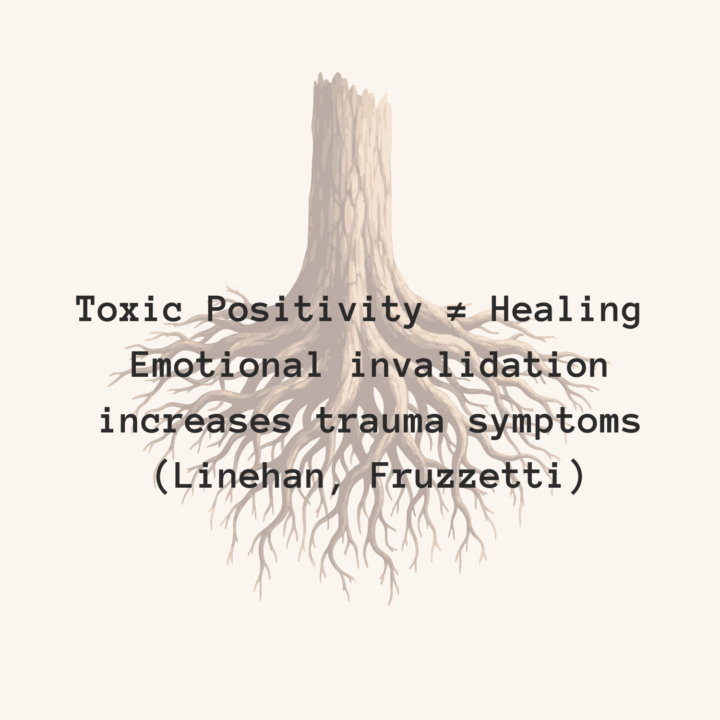
Toxic positivity is not a coping Skill.
Toxic positivity is not a coping skill — it is an avoidance strategy that often compounds psychological harm. As a survivor of psychological abuse, being told to “just smile,” “don’t give them your energy,” or “they’re just miserable” did not reduce harm. It invalidated it. Research consistently shows that emotional invalidation increases distress, shame, and dysregulation, particularly in trauma-exposed individuals (Linehan; Fruzzetti). More than one person in my life was conditioned to believe their calm demeanor was superior — that emotional neutrality in the face of mistreatment reflected maturity or enlightenment. Clinically, the absence of anger in response to harm is not emotional intelligence; it is oftenemotional disengagement or learned suppression (Gross, 2015). From a trauma-informed perspective, anger can be an adaptive signal — alerting the nervous system to boundary violations and threat (Herman, 1992). When anger is pathologized or bypassed, individuals are conditioned to override protective instincts, increasing vulnerability to further harm. While others bypassed my experience in the name of peace, I developed a strong protective orientation toward emotional wellbeing — particularly when harm is subtle, relational, or manipulative. This response reflectsattunement, not dysregulation (Porges, Polyvagal Theory). Toxic positivity often functions within codependent and enabling systems, where emotional comfort is prioritized over accountability. It reframes boundary-setting as negativity and labels appropriate emotional responses as weakness (Beattie; Minuchin). Clinically speaking: - Emotional invalidation worsens trauma outcomes - Anger can support boundary formation - Nervous system regulation requires acknowledgment of reality - Silence does not equal resilience I am proud to be a mother and spouse who responds protectively when harm is present — even when that harm is covert, relational, or difficult to articulate. This is not reactivity. It is emotional discernment and trauma-informed response.
0
0
Nov '25 •
Thank you to everyone who tried to join
Thank you to everyone who tried to join my very first Clock It Academy live. 🙏🏽I didn’t realize free access wasn’t enabled yet (classic first-day tech moment 😅), but I’ve fixed it — and I’m sharing the replay here so you don’t miss a thing. If you’d like the worksheet from tonight’s session, comment below and I’ll send it to you. I’ll be going live again next Tuesday at 6 PM, and this time there will be free access.Bring your questions, your patterns, your “something feels off” moments — this space is for learning how to Clock It in real time. Let me know in the comments:✨ What you liked✨ What you didn’t✨ What you want more of Your feedback shapes this community. Check out Clock It Academy here:👉 https://www.skool.com/clock-it-academy-7361/about?ref=602187803c384731890df5e56a3a2c0b
0
0

Nov '25 •
Tonight I’m teaching the **5 Mechanisms of “Clocking It”
Tonight I’m teaching the **5 Mechanisms of “Clocking It” — the system I use to decode manipulation, emotional patterns, and energy drains in REAL LIFE situations… not textbook examples. If you’ve ever felt confused, dismissed, or unsure why someone’s behavior didn’t match their words, this live is for you. I’ll be answering questions, unpacking your real-life examples, and giving away a free worksheet to help you identify patterns instantly. Join me live inside Clock It Academy tonight. Link in bio.
0
0
Nov '25 •
🌈 What Are Chakras?
🌈 What Are Chakras? In many Eastern traditions (especially Hindu and yogic systems), chakras are described as energy centers in the body that correspond to: - Emotions - Physical functions - Intuition - Identity - Connection Think of them as symbolic maps for understanding how emotional, mental, and spiritual wellness interact. There are 7 main chakras, running from the base of the spine to the crown of the head. 🔴 1. Root Chakra (Muladhara) Location: Base of spine Represents: Safety, stability, grounding, basic needs When balanced: You feel secure, supported, steady When blocked: Fear, anxiety, financial stress, disconnection from the body Color: Red 🟠 2. Sacral Chakra (Svadhisthana) Location: Lower abdomen / womb space Represents: Creativity, sensuality, emotions, libido, pleasure When balanced: Emotional flow, creativity, healthy sexuality When blocked: Low libido, shame, suppression, emotional numbness Color: Orange 🟡 3. Solar Plexus Chakra (Manipura) Location: Upper abdomen Represents: Confidence, willpower, identity, self-esteem When balanced: Motivation, healthy boundaries, personal power When blocked: Low confidence, people-pleasing, indecision Color: Yellow 💚 4. Heart Chakra (Anahata) Location: Center of chest Represents: Love, compassion, connection, emotional healing When balanced: Open-hearted, empathetic, healed relationships When blocked: Grief, emotional walls, lack of trust Color: Green 🔵 5. Throat Chakra (Vishuddha) Location: Throat Represents: Communication, self-expression, truth When balanced: Speaking clearly, being heard, authenticity When blocked: Feeling silenced, trouble expressing needs Color: Blue 🟣 6. Third Eye Chakra (Ajna) Location: Forehead, between eyebrows Represents: Intuition, clarity, insight, emotional awareness When balanced: Strong intuition, discernment, big-picture thinking When blocked: Confusion, indecision, overthinking Color: Indigo 🔮 7. Crown Chakra (Sahasrara) Location: Top of head Represents: Higher purpose, consciousness, connectedness When balanced: Peace, wisdom, spiritual connection When blocked: Feeling lost, disconnected, lack of meaning Color: Violet or white
1
0
1-12 of 12
powered by
Suggested communities
Powered by