
Write something

6d •
What Are Blood Chemistries?
Blood chemistries are a group of lab values that help veterinarians understand how your pet’s internal organs are functioning. Think of them as a snapshot of what’s happening inside the body, not a diagnosis by themselves. They’re usually part of routine bloodwork during: Wellness visits Pre-anesthetic screening Illness or injury Monitoring chronic conditions What Blood Chemistries Measure Blood chemistries look at substances in the blood that reflect how organs are working, including: Liver values → how the liver is processing and detoxifying Kidney values → how well waste is being filtered Blood sugar → energy balance and metabolism Electrolytes → hydration and nerve/muscle function Proteins → nutrition, inflammation, hydration status Each value is a clue, not a verdict. What Blood Chemistries Are NOT Blood chemistries do not: Always tell us exactly what disease is present Give a yes/no diagnosis on their own Replace a physical exam or medical history They are one piece of the puzzle — an important one, but not the whole picture. Why Vets Care About Blood Chemistries Blood chemistries help vets: Catch changes early Establish a baseline for your pet Monitor trends over time Guide next steps or further testing Make safer decisions (especially before anesthesia) A mild change doesn’t always mean something is “wrong” — it often means “let’s look closer”. Seeing values marked “high” or “low” can feel scary. But: Small changes can be temporary Stress, fasting, hydration, or medications can affect results trends over time matter more than one number Abnormal doesn’t always mean urgent. It means your vet is gathering information. Helpful Way to Think About It Blood chemistries are like the dashboard lights in a car: They tell you something needs attention They don’t tell you exactly what repair is needed They help guide the next step And catching things early is almost always a good thing. 💬 Community Reflection Have you ever received bloodwork results and felt overwhelmed by the numbers?
1
0
9d •
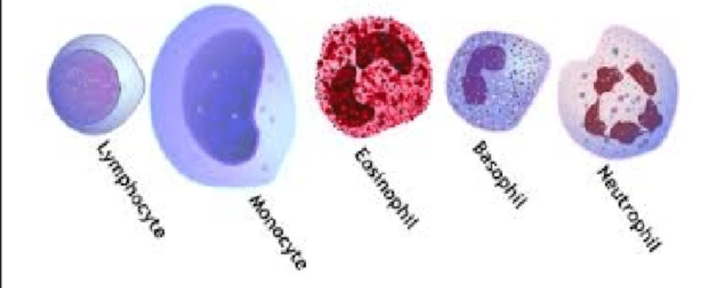
CBC: The 5 Types of White Blood Cells (WBCs)
White blood cells are part of your pet’s immune system. They each have different jobs, and looking at which ones are high or low helps vets understand what’s going on. Think of them as a team, not individual villains or heroes. 1. Neutrophils — The First Responders What they do: Neutrophils are usually the first cells to respond to infection, inflammation, or stress. Often increase with: bacterial infection inflammation stress (yes, stress can affect labs) tissue injury Important note: High neutrophils don’t always mean infection — context matters. 2. Lymphocytes — The Memory & Defense Team What they do: Lymphocytes help with long-term immune response and immune regulation. Often change with: chronic inflammation immune system stimulation stress (they can go down with stress) Common misunderstanding: Low lymphocytes can happen from stress alone — it’s not always a disease. 3. Monocytes — The Cleanup Crew What they do: Monocytes help clean up inflammation and deal with longer-term immune challenges. Often increase with: chronic inflammation ongoing infection tissue damage They usually work behind the scenes and don’t change dramatically overnight. 4. Eosinophils — Allergy & Parasite Responders What they do: Eosinophils are involved in allergies, parasites, and some inflammatory conditions. Often increase with: allergies parasites certain GI issues Important reminder: High eosinophils don’t automatically mean parasites — allergies are a very common cause. 5. Basophils — The Rare Signalers What they do: Basophils play a role in allergic and inflammatory responses, but they’re usually present in very small numbers. Key point: Basophils are often low or absent, and that can be completely normal. When they are elevated, vets look at them alongside eosinophils and clinical signs. Big Picture No single white blood cell tells the whole story. Vets interpret WBCs by looking at: patterns combinations trends over time symptoms the entire CBC This is why one “flagged” value isn’t automatically bad news.
2
0
10d •
Fecal Testing: Myths vs Facts
Fecal testing is one of those vet recommendations that often gets side-eye. Totally understandable — especially when your pet seems perfectly fine. Let’s clear up some common myths and talk about what’s actually true. Myth: “If I don’t see worms, my pet doesn’t have parasites.” Fact: Most intestinal parasites are microscopic. You usually won’t see them in the stool — even when they’re present. By the time worms are visible, the infection is often more advanced. Myth: “My pet stays indoors, so parasites aren’t a risk.” Fact: Parasites can come from many things. Contaminated soil Shoes tracked into the house Shared outdoor spaces Other pets Water sources Indoor pets can still be exposed — especially to things like Giardia. Myth: “We tested last year, so we’re covered.” Fact: Parasites don’t follow calendars. Pets can be exposed at any time, and parasites don’t shed consistently. A negative test in the past doesn’t guarantee today’s results. Myth: “My pet is on prevention, so fecal testing isn’t needed.” Fact: Most preventives don’t cover every intestinal parasite. Prevention and testing work together, not as replacements for each other. Myth: “Fecal testing is only for puppies.” Fact: Puppies are at higher risk — but adult pets can still pick up parasites, especially if they: Visit parks Go on walks in shared spaces Interact with other animals Routine screening helps at any age. Myth: “A positive fecal test means something is seriously wrong.” Fact: Most intestinal parasites are very treatable, especially when caught early. A positive test is information — not a diagnosis of long-term illness. Myth: “Fecal tests are just a money grab.” Fact: Fecal testing helps: Protect your pet’s health Reduce environmental contamination Protect other pets Reduce human exposure risk It’s about prevention, not profit. Takeaway Fecal testing isn’t about catching mistakes. It’s about catching parasites before they cause problems. Quiet issues are still worth knowing about.
1
0
11d •
Heartworm — Let’s Talk About It
Heartworm is one of those topics that can sound big and overwhelming — but when we break it down, it really comes down to mosquitoes, prevention, and protecting our pets’ hearts and lungs. Heartworm is a parasite that spreads through — you guessed it — mosquito bites. Not from other dogs, not from sharing bowls, not from that random dog at the park. Just mosquitoes doing what mosquitoes do. If a dog becomes infected, the worms can grow in the heart and lungs, which is why vets take it seriously. Here’s the encouraging part though: 👉 Heartworm is much easier to prevent than it is to treat — and prevention is one of the kindest things we do for our pets. 🌎 Who Can Get Heartworm? Some animals are much more at risk than others. 🐕 Highest Risk — Dogs & Their Wild Cousins Dogs Coyotes Foxes Wolves Heartworm grows very well in these species. That’s why prevention in dogs matters so much — it protects your dog and helps reduce risk in the environment. 🐱 What About Cats? Cats can get heartworm, but it behaves differently than in dogs. They usually don’t develop large worm loads — but even a few worms can inflame the lungs, which can still cause illness. And yes… indoor cats can meet mosquitoes (they’re tiny house ninjas with wings). In many areas, vets recommend prevention for cats too. 🐹 Other Animals Sometimes Affected Occasional infections have been found in: Ferrets Raccoons Otters Mink / weasels Sea lions Bears (rare) 🚫 Who Does Not Get Heartworm Birds Reptiles Humans 🧪 How Heartworm Testing Works (Even If Your Dog Is on Prevention) Here’s a question a lot of pet parents ask: “If my dog is on prevention, why do we still need the yearly heartworm test?” Totally fair question — and I love when people ask it. Prevention is very effective… but life happens. 🐾 Doses get: spit out thrown up given late not fully absorbed or accidentally missed …and sometimes we don’t realize it. That’s why most dogs get a small blood test once a year. It’s quick, routine, and helps us make sure prevention is doing its job, catchs infections early before damage occurs and keeps treatment safer if we ever need it.
1
0
12d •
Friendly Vaccine Facts: Why Dog Vaccines Aren’t “Sized” by Weight
Here’s a question many pet parents ask: “Should small dogs get smaller vaccine doses?” Great question — but the answer is no 😊 Dog vaccines aren’t like medications, and they’re not dose-dependent. That means a tiny Chihuahua and a giant Great Dane usually receive the same vaccine amount — and that’s intentional, tested, and safe. Why the dose is the same: Vaccines don’t work on body size — they work with the immune system. Every dog needs a strong enough “signal” to build protection, and that signal is the same size no matter how big or small the dog is. Think of it like ringing a doorbell — big house or small house, the bell still needs to be loud enough to be heard 🙂 🐶 Common vaccines that are NOT weight-based These are given at the same dose for all dogs: 🟠 Rabies 🟢 Distemper / Parvo (DHPP / DAPP) 🔵 Bordetella 🟡 Leptospirosis 🟣 Canine Influenza 🟤 Lyme These doses are carefully tested by manufacturers to be safe and effective across all sizes. ⚠️ Why we don’t “split” or reduce vaccine doses Giving less than the full amount can lead to: Weaker or incomplete protection Higher risk of illness Invalid rabies status (in many areas) If a dog has had vaccine reactions before, veterinarians adjust the vaccine plan — not the dose — by changing timing, products, or spacing. It’s about protecting the dog AND keeping them comfortable 💛 🐾 Bottom line Dogs come in many shapes and sizes… but their immune systems need the same full signal to build protection — and that’s why vaccine doses don’t change by weight. 💬 Let’s chat Have you ever wondered about vaccine dosing for small dogs?Or does your pup have a sensitive system? Share your experience below — we’re here to learn together 🐶✨
1
0
1-5 of 5

skool.com/canine-care-academy
Learn, share, and grow with dog lovers who want to understand veterinary care, ask better questions, and advocate confidently for their pets.
Powered by