

Jan 27 •
HERE IS A FREE GIFT: The Go Giver
Here are three principles from the book that actually matter: 1. Value Over Price Your income grows in direct proportion to how much value you deliver, not how hard you work. Translation: effort doesn’t pay. Impact does. If what you offer genuinely helps people win, the money follows naturally. 2. People Over Product Success comes from relationships, not transactions. The book makes it clear that influence is built by understanding others’ needs first, not pushing your own agenda. Long-term success is relational, not transactional. 3. Giving Creates Leverage The more you give without keeping score, the more opportunity finds you. Not in a fluffy way, but in a strategic way. Giving builds trust, trust builds reputation, and reputation creates demand. Bottom line: The Go-Giver teaches that the fastest way to grow financially is to stop obsessing over money and start obsessing over usefulness. Serve well. Lead with value. Let results be the byproduct. Here is a FREE PDF for you to read yourself! Download it and let me know your thoughts!
Jan 16 •
Yes, music some music artists are real writers too
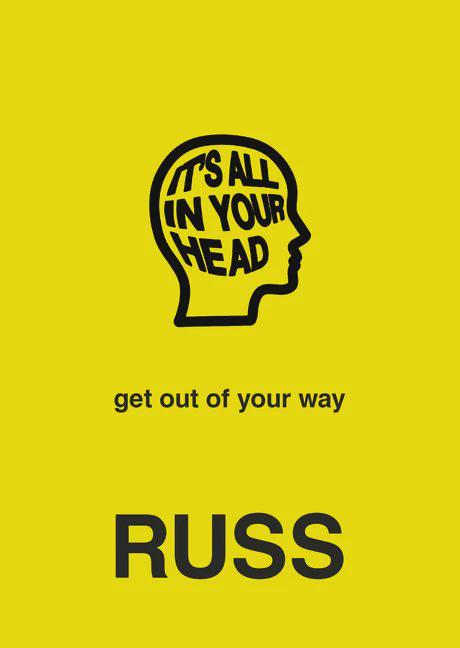
Russ said it best in It’s All In Your Head. If you’re not a little delusional, you’re probably not going far. And I don’t mean disconnected from reality, I mean unapologetically committed to a vision most people can’t see yet. That’s what I really liked about this book. It doesn’t just talk about success from a surface level, it talks about the mental side of it. The part nobody sees. You have to believe in your future self before the results show up, before the money shows up, and before anyone gives you validation. Most people wait for proof. Winners move on conviction. What stood out to me even more was how Russ broke down his own journey. It wasn’t overnight. It wasn’t pretty. It was years of showing up when nobody was watching, staying locked in when things felt slow, and protecting his mindset when doubt tried to creep in. The book really helped me understand that success isn’t just about the destination, it’s about who you become in the process. The journey is the goal. The discipline, the habits, the mindset, that’s the real win. Russ also talks a lot about controlling your inner dialogue and protecting your energy. Because your thoughts shape your actions, your actions shape your habits, and your habits shape your life. If you’re trying to build something big, you can’t think small. You have to be willing to look crazy before you look successful. That’s not arrogance, that’s belief. And belief has been the foundation of every win I’ve ever had.
1
0
Jan 7 •
Good To Great
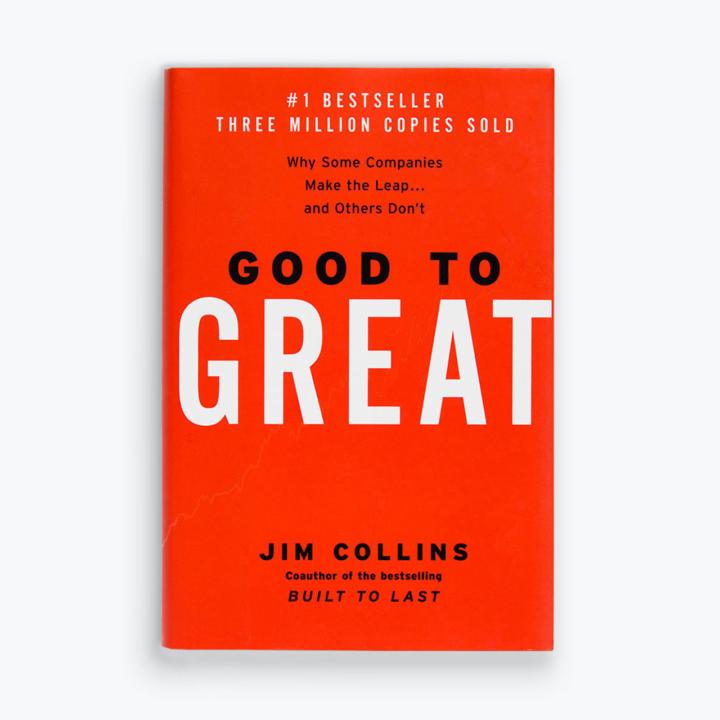
In Good To Great, the central question is simple but demanding: why do some companies make the leap from being merely good to becoming truly great, while others with similar resources, talent, and opportunity never do? The book is built on rigorous research, comparing companies that sustained exceptional performance over time against those that plateaued. What Collins makes clear is that greatness is not the result of a single breakthrough moment. It is the outcome of disciplined leadership, focused decision-making, and a willingness to commit fully to what actually works, even when that path is uncomfortable or unpopular. One of the reasons this book stands out is how it grounds theory in real-world examples. Companies like Walgreens! are highlighted not because they were flashy, but because they were relentlessly focused. Walgreens did not try to beat competitors at everything. Instead, they committed to a very specific idea: becoming the most convenient drugstore, period. They optimized store placement, operations, and customer experience around that singular focus. While others chased broader strategies, Walgreens narrowed theirs. That discipline is what allowed them to quietly outperform competitors who were technically just as capable but far less clear. One of my favorite concepts in the book builds on that same idea of discipline, but from a leadership lens: the “weak general, strong lieutenant” dynamic. In the Bank of America example, leadership structures were intentionally designed to maintain control rather than elevate excellence. Weaker executives were placed at the top, while stronger, more capable leaders were kept just beneath them. These lieutenants had the competence to lead, but not the authority. The system protected power instead of performance, and in doing so, limited how far the organization could go. What ties all of these examples together is a shared truth. Companies do not fail to become great because they lack talent or opportunity. They fail because they avoid hard decisions. They spread focus too thin. They suppress strong leadership. They choose comfort over clarity. Good to Great makes the case that sustained excellence is not accidental. It is built, deliberately, by leaders willing to commit fully to the right people, the right focus, and the right discipline over time.
Jan 6 •
Rich Dad, Poor Dad
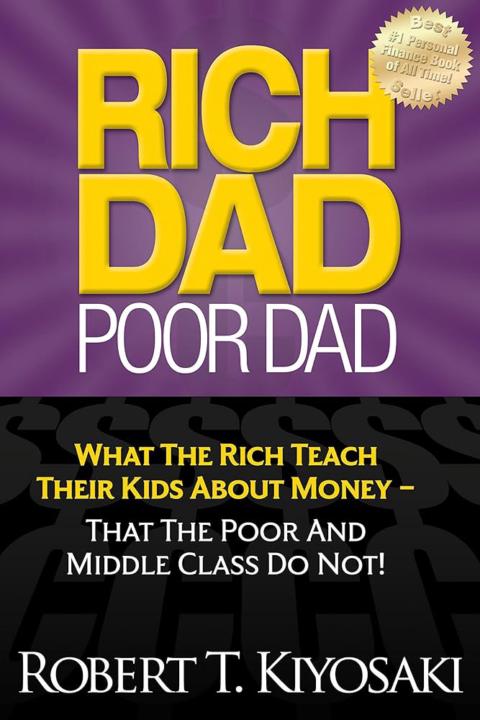
On the surface, Rich Dad Poor Dad is a book about money. Assets. Jobs. Investing. Cash flow. But that’s not the real point. The book is structured around two father figures. One follows the traditional path: go to school, get a good job, work hard, be safe. The other thinks differently: learn how money works, take calculated risks, build things that pay you without trading hours for dollars. The contrast isn’t about who worked harder. It’s about how they thought. The book challenges the idea that income equals wealth. It explains the difference between working for money and having money work for you. It questions why schools teach people how to earn a paycheck but not how to manage or grow money. That’s the mechanical layer of the book. Useful, but not the main lesson. At its core, Rich Dad Poor Dad is about mindset inheritance. You don’t just inherit money habits. You inherit beliefs. You inherit fear. You inherit rules you never agreed to. The book is saying this plainly: Just because you were raised in a certain environment does not mean you are required to become the outcome of that environment. Your parents, your neighborhood, your school system, your financial situation. Those things shape you, but they do not have to define you. The “poor dad” isn’t poor because he lacked intelligence or effort. He’s poor because his thinking was locked inside a system that rewarded safety over growth. The “rich dad” isn’t rich because he was lucky. He simply learned to see money as a tool instead of a trap. That’s the shift. The Deeper Message Most People Miss.... This book is not telling you to quit your job or gamble your future. It’s telling you to question what you were taught without questioning the people who taught you. You can respect where you came from and still outgrow it. You can honor your upbringing and still choose a different path. You can be surrounded by limitations and still build something bigger. The book pushes one uncomfortable idea:
1
0
Jan 6 •
12 Week Year
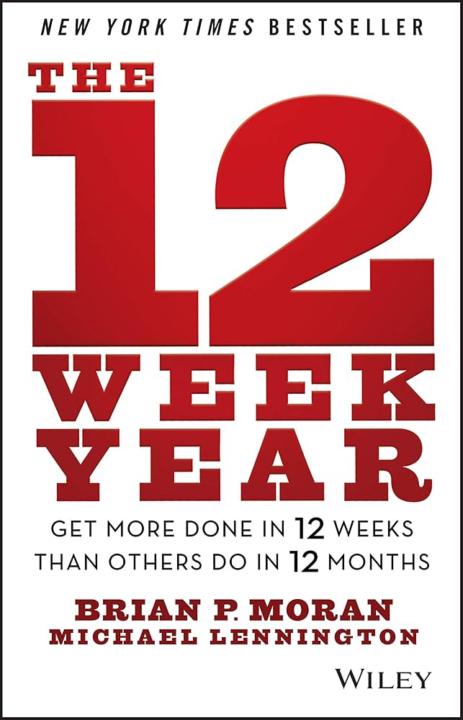
How to Actually Schedule Your Days Using the 12 Week Year. The biggest mistake people make is treating goals like thoughts instead of appointments. The 12 Week Year fixes that by forcing structure into your calendar. Here are the real rules. Rule 1: Your Week Comes First, Not Your Day You do not wake up and “figure it out.” At the start of each week, you identify: - 3 to 5 critical actions that must happen that week - These actions directly connect to your main goal for the 12 weeks If it does not move the goal, it does not get priority time. Rule 2: Build Your Week Around Breakout Blocks Instead of working randomly all day, you work in intentional blocks. Each block has one purpose. Think in categories, not tasks. Common Breakout Blocks - Execution Block: Deep work tied directly to your goal - Admin Block: Emails, messages, logistics - Learning Block: Reading, studying, skill-building - Health Block: Training, movement, recovery - Planning Block: Reviewing progress and adjusting You don’t mix these. Mixing kills focus. Rule 3: Protect One Daily Execution Block Every weekday should have at least one protected execution block. This is: - 60 to 90 minutes - No phone - No email - No meetings - One priority only If this block doesn’t happen, the day is considered a miss, even if you were “busy.” Busy does not count. Rule 4: Schedule Outcomes, Not Intentions You do not schedule “work on business” or “content time.” You schedule: - Write 2 pages - Film 1 video - Make 10 calls - Complete workout If it can’t be measured, it can’t be scored Rule 5: Use Theme Days to Reduce Mental Load Assign themes to days so your brain knows what it’s doing before you start. Example: - Monday: Planning and setup - Tuesday to Thursday: Execution-heavy days - Friday: Review, cleanup, light execution - Weekend: Personal reset or optional overflow This removes decision fatigue and keeps momentum steady. Rule 6: End Every Day With a Score, Not a Feeling
1
0
1-5 of 5
powered by

skool.com/built-from-experience-4665
Built From Experience by Steeze Marketing is a private community teaching real-world branding, marketing, and systems through proven execution.
Suggested communities
Powered by