
Write something
Mar 8 •
Bridging The Opportunity Gap for Anniston Youth: Early Literacy & Learning Support
Many students in Anniston City Schools face an opportunity gap that affects academic achievement, career readiness, and long-term success. To address this, targeted interventions can make a measurable difference: 1. Early Literacy & Learning Support 2. Afterschool & Summer Enrichment Programs 3. Career Exposure Starting in Middle School 4. Wraparound & Community Support Services 5. Work-Based Learning & Apprenticeships in High School The BPHN will start a series of discussions on each type of intervention with links to organizations who have resources to improve literacy in the community: _________________________________________________________________________________________________ Intervention #1: 📚 Early Literacy & Learning Support: Closing the Gap in Anniston City Schools Did you know strong reading skills in the early years can set a lifetime of success? Many students in Anniston City Schools start behind grade-level expectations, which can widen the opportunity gap over time. What helps: - Pre-K–3 reading programs - Literacy tutoring and mentoring - Family reading nights and summer reading initiatives Why it matters: Early literacy boosts confidence, improves academic performance, and lays the foundation for all future learning. Examples of Interventions in Action: 1.Reading Partners - Volunteers work one-on-one with struggling readers in elementary schools. - Focus: improving reading fluency and comprehension. - Model: structured curriculum with measurable reading goal. Community Resources : United Way of East Central Alabama Dolly Parton’s Imagination Library is a book gifting program that mails free, high-quality books to children from birth to age five, no matter their family’s income. How to Apply:https://imaginationlibrary.com/about-us/ Anniston Public Library Anniston Public Library has a wealth of resources for families to improve learning outcomes.
0
0
Mar 7 •
Workforce Success for Whom? Alabama Must Close the Opportunity Gap
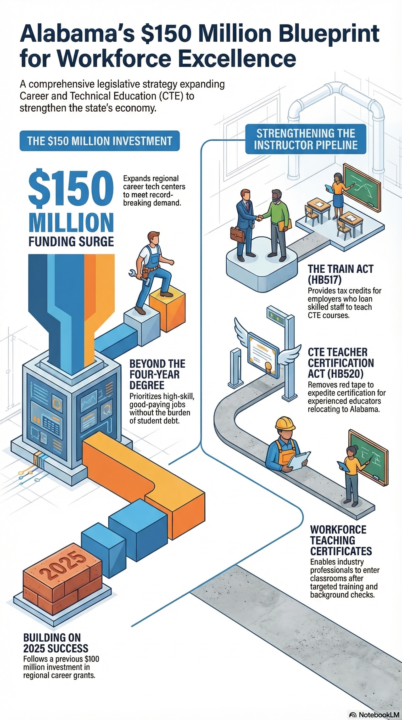
Alabama is often celebrated as a national leader in workforce development. Business leaders and policymakers frequently point to partnerships as models for aligning education with industry needs. These efforts have helped attract companies and expand training opportunities across the state. But for many students in low-income schools, the promise of Alabama’s workforce system remains out of reach. In communities with high poverty rates, students often have limited access to the very opportunities the system promotes—career academies, modern technical labs, apprenticeships, and industry mentors. Transportation barriers, underfunded schools, and fewer local employer partnerships mean that many young people never see the pathways that policymakers highlight in workforce reports. The result is a quiet but persistent inequity: a workforce system praised nationally, yet unevenly experienced locally. In historically underserved communities, the barriers extend beyond education. Housing instability, environmental health risks, and limited access to career guidance all shape whether young people can realistically pursue training and employment pathways. Without addressing these conditions, workforce initiatives risk reaching those who already have advantages while leaving others behind. Alabama has an opportunity to strengthen its workforce success story by investing earlier and more equitably. Career exposure should start in elementary and middle school. Schools serving low-income communities need stronger connections to industry, career navigators, and work-based learning opportunities. And workforce strategies should be paired with investments in community health, housing, and environmental justice. Alabama’s workforce system has proven that collaboration between business, education, and government can drive economic growth. The next step is ensuring that growth reaches every community.
Mar 2 •
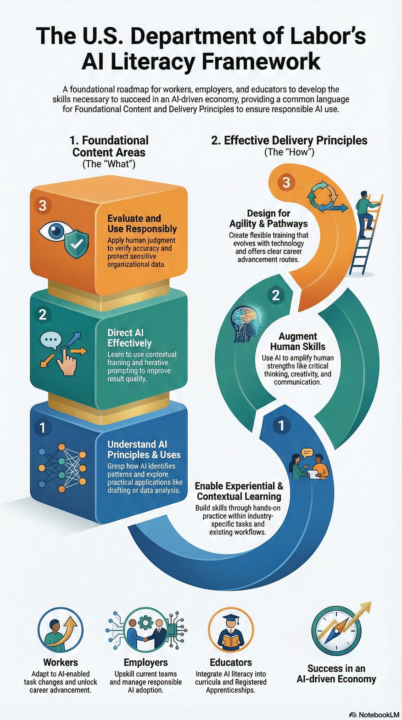
AI Literacy Is Health Equity Work
📊 Our Youth Are Already Using AI Research from the Pew Research Center shows most teens have used AI tools. A majority of teens surveyed said they use AI chatbots such as ChatGPT for schoolwork and information seeking (McClain et al., 2026). But using AI ≠ understanding AI. Without guidance, youth may: - Overtrust outputs - Miss bias - Share sensitive data - Fail to question automated systems We cannot talk about prevention and ignore digital systems shaping opportunity. 🩺 What Does This Mean for Black Public Health Professionals? It means: 1️⃣ We need AI literacy in youth programming 2️⃣ We need AI ethics in CHW training 3️⃣ We need algorithm awareness in health equity conversations 4️⃣ We need representation in digital health governance 5️⃣ We need to prepare youth for AI-shaped workforce pathways If we don’t engage, others will shape the systems without us. References McClain, C., Anderson, M., Sidoti, O., & Bishop, W. (2026, February 24). Demographic differences in how teens use and view AI. Pew Research Center. https://www.pewresearch.org/internet/2026/02/24/demographic-differences-in-how-teens-use-and-view-ai/
0
0
Feb 10 •
🔥 Prescribed Burns & Vulnerable Communities: What We Need to Talk About 🔥
It's been smokey for the last few days in the Calhoun County area, and if you monitor your AQI- You will notice it has been on yellow for the last few days. There's actually a couple of wildfires but a prescribed burning of thousands of acres is currently happening in the Talladega Forest... Prescribed burns are an important wildfire prevention and land management tool but they can create real health risks for vulnerable populations if not planned with equity in mind. I. Who’s most affected by smoke exposure? • Children and older adults • People with asthma, COPD, or heart disease • Pregnant people • Outdoor workers • Low-income households and communities of color • Communities already burdened by environmental hazards II. Why smoke matters (even when burns are planned): Prescribed burns release fine particulate matter (PM2.5), which can trigger: • Asthma attacks • ER visits for respiratory and cardiac issues • Eye, throat, and lung irritation • Cumulative health stress when exposure happens repeatedly III. Many communities lack: • Early notification • Safe indoor air (old housing, no HVAC) • Access to air filters or clean-air spaces • Clear guidance on how to protect themselves What can you do to protect you? Monitor your AQI Build A Clean Air Room in Your Home DIY Air Purifier Visit to learn more: https://www.epa.gov/air-research/smoke-ready-toolbox-wildfires 💬 How are prescribed burns handled in your community? 💡 What protections should be non-negotiable Are you noticing smoke in the Calhoun County area, today?
Poll
Cast your vote
0
0
Feb 7 •
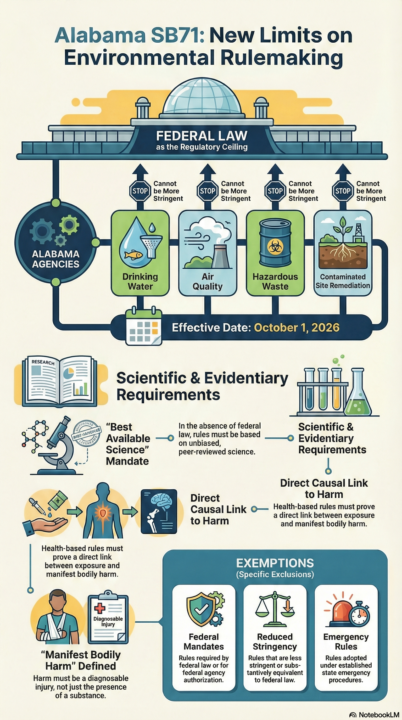
Alabama SB71: State Environmental Rule Making Standards
Alabama SB71 prohibits state agencies from enacting environmental standards more stringent than federal law. If no federal rules exist, new regulations must rely on the best available science and prove a direct causal link to manifest bodily harm in humans. 📌 Why This Matters ✔ Federal standards aren’t always protective enough. Many pollutants lack any federal limits or have outdated criteria. ✔ State flexibility matters for local health. States often tailor protections to community needs; SB71 could remove that ability. ✔ Environmental justice concerns grow stronger. When state laws limit protections, communities already facing disproportionate exposures may have fewer tools to reduce risks.
0
0
1-19 of 19
powered by
skool.com/black-public-health-nerd-1015
culturally grounded education tools that communities can use!
Suggested communities
Powered by