
Write something
Dec '25 •
📌 👉 🚀 START HERE: How to Break Into Offshore (Diving, ROV, NDT, Ropes access))
📌 WELCOME TO BEYOND THE SURFACE I'm Stu. 25 years offshore across commercial diving, ROV, NDT, and rope access. This community is where aspiring divers get the truth—not school marketing, not Instagram nonsense. 🆓 FREE (Everyone gets this) ✅ Module 1 Courses (Diving, NDT, Rope Access) — Complete intro to each pathway ✅ Live Jobs Board — Active offshore positions posted weekly ✅ Free Tools & Calculators — Gas laws, salary calc, packing checklist, medicals, diving fatalities database, and more ✅ Community Feed — Ask questions, share experiences, get real advice ✅ CV Builder Starter — Basic diving CV template This is genuinely useful. Many people stay here and never need more. 💎 PREMIUM — £19.99/month 🔓 Modules 2–7 (Complete structured pathways for Diving, NDT, Rope Access) — Everything from "how to choose a school" to "how to get your first job" to "how to specialize and level up" 🔓 Mock Exams (CSWIP 3.1U, 3.2U, 3.4U, NDT L1/L2) — Real exam questions with full explanations 🔓 Professional CV Builders — Done-for-you templates used by working divers NDT Techs and Ropes Access Techs in the industry 🔓 Exclusive Podcasts & Live Q&As — Ask me anything about careers, training, certifications, first trips offshore 🔓 Everything from Module 1 (plus the premium pathway stuff above) Premium is for people serious about breaking in. Not casual browsers. 👇 NEXT STEPS 1️⃣ New here? Explore Module 1 free — takes 20 mins, shows you exactly what you're getting into 2️⃣ Want the full pathway? Upgrade to Premium (£19.99/month) — Modules 2–7, exams, CV builder, the works 3️⃣ Questions? Drop a comment below or DM me COMMUNITY RULES • Be respectful — we're all helping each other here • No spam, no affiliate links • Share real experience — good and bad Search before posting — someone might've already answered it • Use the right category Welcome aboard 🌊 —Stu
8d •
Job opportunities within renewable energy sector
Hi everyone, I am currently seeking a new career in the renewable energy sector. I have 9 years experience within the heavy vehicle industry. I have a very good understanding in electrical diagnostic , general preventative maintenance and hydraulic systems and would like transfer these skills into the wind industry. can anyone point me in the right direction to get me a start. I’ve had a few potential starts but they’ve fell through.
1
0
May 30 •
Send me your best tips and advice!
Good morning everyone! I am spending a huge amount of time researching the best way to get a role offshore (Shout out to Stu, who has been brilliant!) Please send me your best tips and advice! For example, do you generally find roles via agencies or fo you contact opperators directly? My background is - i have no offshore experience. I do have 15 years experience in working in HR/People/coordination. I retrained as a Sports Therapist and that is what I currently work within now. I am very used to working 12-14 hours days, in all weathers, i'm a good hard worker and will always look to upskill/retrain I am good to go, asap! (Pending mandatory training, of course) 41, single, no children. Send me you tips and advice 🙏 Help me make it happen
0
0
May 28 •
Premium Membership
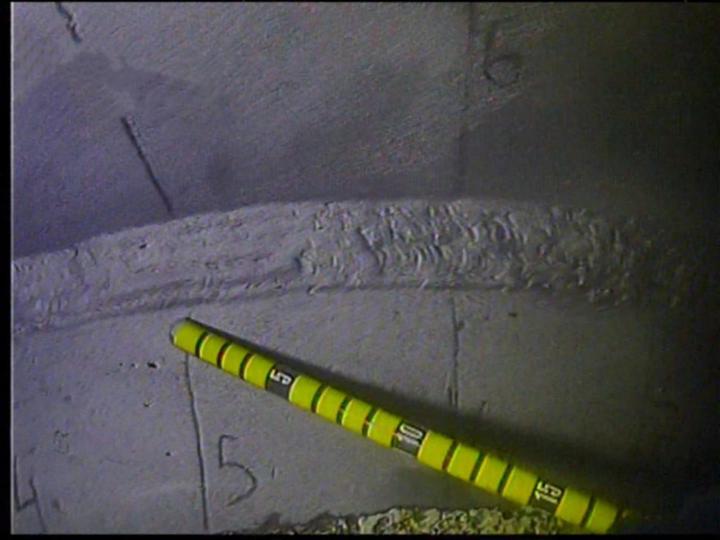
I signed up for the premium membership a while back. The pointer is a cool piece of kit, I’ll already put it to good use, miles better than a welding rod with green and yellow tape plastered all over it! Photos isn’t mine, found it on google. Also used the mock exam and other modular multi choice questions for my 3.1u exam prep. Stu’s questions are all in the same format and wording as the CSWIP theory exams and helped me massively. Got my results last week and I passed. Thanks Stu 👊👍
Sep '25 •
Welcome to Beyond The Surface Offshore 🌊
Hey everyone — I’m Stu. I’ve spent over 20 years working offshore — starting as a commercial diver, then moving through ropes access and NDT, and now working as a Diving and ROV Client Rep. I built this community to help people break into offshore work, grow their careers, and avoid the mistakes I’ve seen (and made) along the way. Here’s what you’ll find here: - 🎙️ Podcast episodes with real stories & advice - 📚 Guides & resources for career growth - 💬 A space to ask questions & get answers from people who’ve been there Drop a comment below and let me know: 1. Where you are in your offshore journey 2. What your biggest challenge or goal is right now Let’s build something great together! 💪
1-30 of 55
powered by
skool.com/beyond-the-surface-6846
👉 Break into commercial diving, offshore, ROV and NDT careers — and build a long-term career offshore.
Suggested communities
Powered by