
Write something

May 8 •
Audio + AI + Healthcare
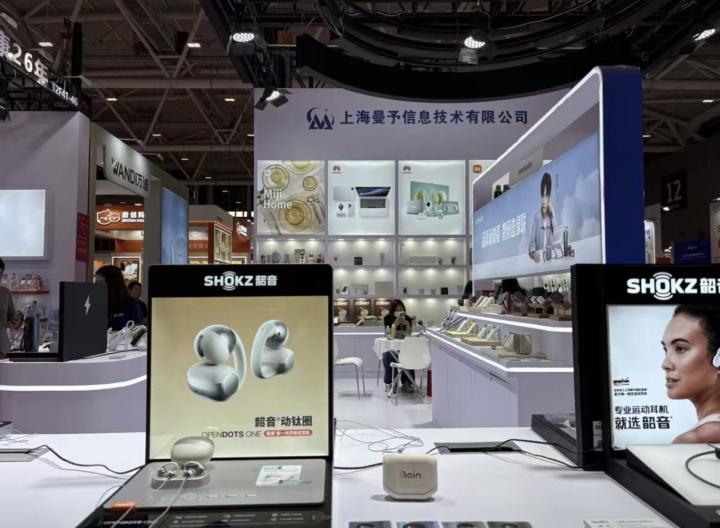
As an audio/headphone veteran and living in Hongkong, seen market changes, come/go of brands, shelf ever more crowded. One thing is clear, Shokz is rising, from corner niche now take tcenter prominent, second to none excluding phone names And now, BoPods follows through in a very different market dynamic and competition landscape, where Life style+AI+Healthcare are becoming essentials
1
0

Apr 1 •
The Future of Audiology Will Not Come from Improving Old Standards Alone
For decades, audiology has relied heavily on methods that were groundbreaking in their time. Pure-tone audiometry became the foundation of hearing assessment, and it still plays an important role today. Yet an uncomfortable question remains: Are we still measuring hearing in the way that matters most to people’s lives? Because hearing is not just about detecting tones in a quiet room. Hearing is about understanding speech in noise. It is about following conversations in meetings, at family dinners, in traffic, in crowds, and in all the messy real-world situations where communication actually happens. That is where I believe the future of audiology must go. We Need to Move Closer to Functional Hearing Traditional audiometry tells us something important, but not everything important. A patient can have a certain audiogram on paper and still struggle enormously in daily life. Another patient may present differently. The gap between what we measure clinically and what people experience functionally is still too large. This is why I believe audiology must evolve toward functional hearing assessment as a much stronger clinical standard. Speech-in-noise testing is part of that future. Free-field assessment is part of that future. Standardized methods that better reflect the listening challenges of real life are part of that future. If the source of information is limited, the field itself becomes limited. No Field Is Stronger Than Its Source of Information This is one of the core ideas behind my work. If we continue to build decisions on incomplete hearing data, we should not be surprised if outcomes remain inconsistent. Better fitting, better counseling, better diagnostics, and better patient trust all begin with better information. In my view, the next leap in audiology will not come simply from improving hearing aids alone. It will come from improving the way we measure hearing, the way we define benefit, and the way we standardize real-world performance.
Mar 30 •
Welcome to Future Audiology.
I created this group because I believe audiology is ready for a serious shift. For too long, too much of hearing care has been built around old standards, limited measurements, and systems that do not fully reflect how people actually hear in the real world. We have become very good at measuring parts of hearing — but not always what matters most in everyday life. This group is for people who want to think bigger. Here we can explore: - the future of audiology - speech in noise and functional hearing - better diagnostics - new standards - hearing technology - AI and data in hearing care - remote care and home-based solutions - bold ideas that can move the field forward My goal is not just to discuss incremental improvement. My goal is to challenge assumptions, explore better ways of doing things, and build conversations around what the next generation of audiology could look like. This group is for audiologists, researchers, clinicians, innovators, founders, industry people, and anyone who cares about the future of hearing care. If that is you, you are very welcome here. Let’s build something meaningful together. First question for the group: What do you believe is the biggest thing holding audiology back today?
Apr 7 •
Thanks for starting this space
Hi all! I’m excited to be here. My name is LaToya and I joined because my niece was recently diagnosed with hearing impairment, so I’ve become more curious about this space on a personal level. I’ve also been working in AI for the past two years, so I’m really interested in learning how AI and audiology may come together. Why did you join?
Apr 7 •
Thank you for your patience.
This group is under construction. And more people will join, soon. We might get some free publicity very soon. 😉
2
0
1-5 of 5
powered by
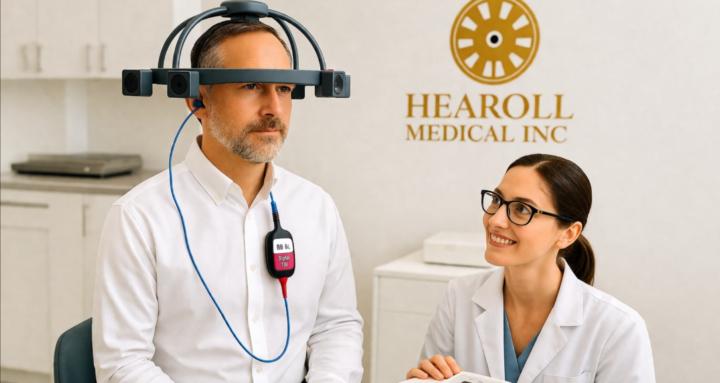
skool.com/audiology-disruption-1376
Exploring the future of audiology through speech in noise, functional hearing, stronger validation, and better clinical thinking.
Suggested communities
Powered by