ASA Service Dogs
Private
127 members
Free

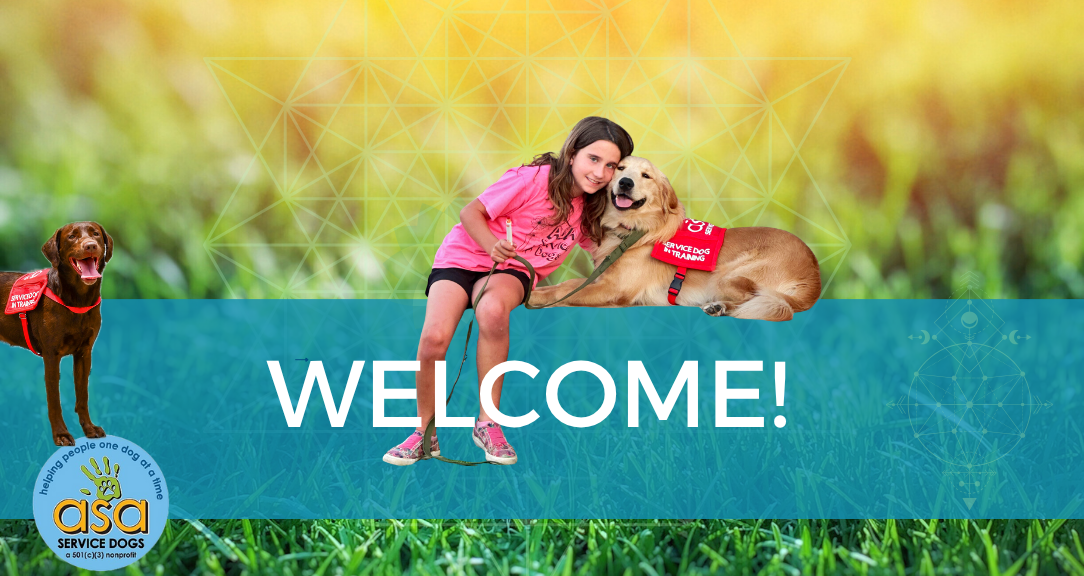
🐕🦺 Welcome to the ASA Service Dogs Community
Your go-to space for everything service dogs — education, insight, and real-life experience all in one place.
Whether you’re:
• Training your own service dog
• An ASA Service Dogs program recipient, apprentice, puppy raiser, or volunteer
• Researching service dogs for yourself or your family
• Interested in learning more about our 501(c)(3) nonprofit mission
• Or simply curious about the incredible world of assistance dogs
You’re in the right place.
✨ Inside you’ll find:
✔️ Clear answers to the most common service dog questions
✔️ Tips, tools, and realistic expectations for life with a working dog
✔️ Education on tasks, public access, training, and handler responsibility
This space is here to inform, support, and bring clarity — whether you’re directly involved with ASA or just starting to explore the service dog world.
No pressure. No judgment. Just real information and a community that truly understands the journey. 🐾
powered by
skool.com/asa-service-dogs-1614
A welcoming classroom & community for everything Service Dogs! ASA is a 501(c)3 Nonprofit Organization dedicated to helping dogs and humans!