
Write something
Pinned

14d •
Nu bygger jag om AI Studion från grunden!
Hej, Birgir här. Jag ska vara ärlig. AI Studion Sverige har inte blivit det jag ville. Classroom har mest varit videor ni kanske redan sett på YouTube eller i Facebook gruppen (Vibe Coding Sverige), och en del saker lade jag bara dit för att det skulle finnas något. Det räcker inte, och community't förtjänar bättre! De närmaste veckorna bygger jag därför om hela community't och Classroom från början. Det nya blir en tydlig stig uppför ett berg. Du börjar i Basläget, där AI börjar jobba åt dig. Sedan tar varje läger dig högre: från att använda AI, till att bygga med vibe coding, till att göra något av det du byggt. Kurserna bygger jag om från material jag har testat och finslipat under året, och det ska alltid vara tydligt var du börjar och vad nästa steg är. Jag kommer också att framöver gå live här inne regelbundet, bygga saker på riktigt och svara på era frågor. Det här betyder att det som ligger i Classroom nu försvinner successivt. Blir det tomt ett tag är det för att något bättre är på väg. Vi är 85 som har valt att vara här, och det tar jag på allvar. Skriv gärna en kommentar och berätta vad du helst vill lära dig eller bygga först. Jag läser allt, och era svar styr vad som kommer först. Vi hörs snart. /Birgir
Pinned
Jan 28 •
Välkommen till AI Studion Sverige! Börja här 🚀
Hej och vad roligt att du har hittat hit! Jag startade den här studion för att jag vill ha en plats där vi går bortom rubrikerna och faktiskt börjar använda och skapa med AI på riktigt. Oavsett om du är en total "noob" eller redan har börjat experimentera med egna flöden, så är du varmt välkommen till vår digitala verkstad. Här i studion fokuserar vi på hantverket: - Vi testar nya verktyg och delar med oss av vad som faktiskt fungerar i vardagen. - Vi utforskar allt från smarta sökmetoder och NotebookLM till kreativt skapande med musik och bild. - Vi hjälper varandra att navigera i den snabba utvecklingen med människan i centrum. Hjälp mig att kickstarta studion! För att vi ska lära känna varandra vill jag gärna att du lämnar en kort kommentar nedan: 1. Vem är du och vad jobbar/pysslar du med (dela gärna bild på dig eller ditt projekt)? 2. Vilket AI-verktyg är du mest nyfiken på att lära dig mer om just nu? Jag ser fram emot att bygga och utforska framtiden tillsammans med dig! 🎯 Birgir

Mar 27 •
Jag tänkte tipsa om ett event som jag själv kommer gå på den 21 maj.
Det är Stockholm AI Conference 2026, och just nu finns Super Early Bird-biljetter för 30 euro, vilket är riktigt bra pris för ett AI-event i Stockholm. Jag tänker att det vore riktigt kul om vi blev flera från AI Studion Sverige som dök upp. Inte bara för innehållet, utan för att faktiskt träffas i verkligheten också. Många av oss sitter ju och bygger saker på varsitt håll, det här kan vara ett bra tillfälle att knyta kontakter och snacka idéer face to face. Här är länken till eventet: https://www.eventbrite.ie/e/the-stockholm-ai-conference-2026-tickets-1848998196379 Om du funderar på att gå, skriv gärna en kommentar.
Feb 9 •
Hur gillar du det när du jobbar?
- 1️⃣ total tystnad - 2️⃣ musik i lurarna - 3️⃣ halvkaos + kaffe - 4️⃣ annat?
1-27 of 27
powered by
skool.com/ai-studion-sverige-2552
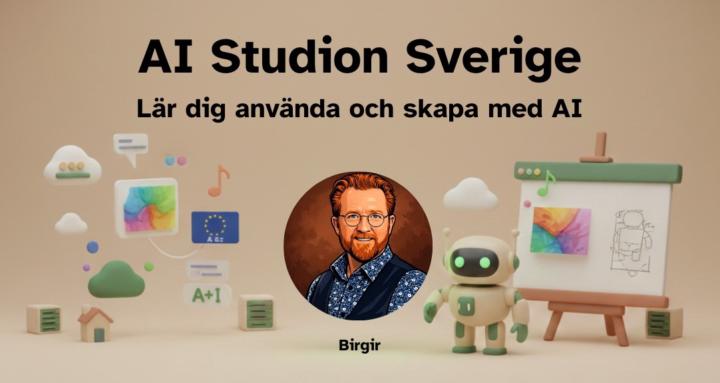
Välkommen till AI Studion Sverige. Här får du lära dig använda och skapa med AI på riktigt, från smarta vardagshacks till avancerad Vibe Coding.
Suggested communities
Powered by