Activity
Mon
Wed
Fri
Sun
Aug
Sep
Oct
Nov
Dec
Jan
Feb
Mar
Apr
May
Jun
Jul
What is this?
Less
More
Owned by Warren
Move from emotional instability to emotional resilience in 30 days — through simple daily steps, compassionate guidance, and a supportive community.
Memberships
76 contributions to The Reconnection Circle
Mar 30 •
Feel Better In 7
After some building and tweaking you can now use the browser based application to Feel Better In 7, here, A structured, evidence-informed emotional recovery programme - designed to help you feel calmer, clearer and back in control https://feelbetterin7.com
0
0
Feb 15 •
A Comprehensive Guide to Maintaining Mental Health
Mental health is an integral component of overall health and well-being. It influences our thoughts, feelings, and behaviours, impacting how we handle stress, relate to others, and make choices. This guide provides a holistic overview of mental health, common challenges, and evidence-based strategies to cultivate and maintain it, with a specific focus on support and resources available in the United Kingdom
0
0
Dec '25 •
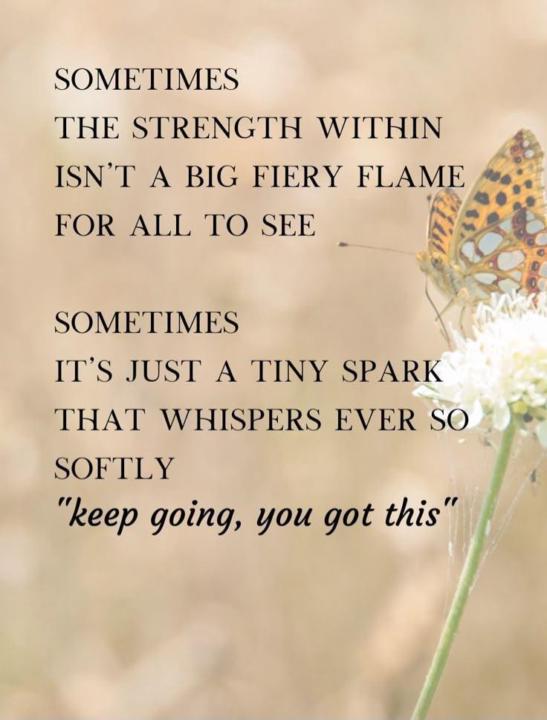
Sometimes
Sometimes we believe strength has to look dramatic. ⦿ Like confidence without doubt. ⦿ Like resilience without tears. ⦿ Like bold action that everyone can see. But the message in this image reminds us of something far more truthful — and far more compassionate. Real strength is often quiet. It’s not always a roaring fire or a powerful comeback story. Sometimes it’s a tiny spark that barely makes a sound. A whisper inside that says, “Keep going.” Not because everything feels okay — but because you chose not to stop. That quiet spark shows up when: ⦿ You get out of bed even though your heart feels heavy ⦿ You set one small boundary instead of fixing everything ⦿ You breathe through the wave instead of being pulled under it ⦿ You keep showing up for your healing, one imperfect step at a time This kind of strength doesn’t seek applause. It doesn’t announce itself. But it is profoundly brave. In emotional well-being, progress is rarely loud. Healing often looks like: ⦿ Choosing gentleness over self-criticism ⦿ Pausing instead of pushing ⦿ Resting instead of proving ⦿ Continuing even when motivation is gone If today all you can manage is listening to that soft inner whisper — that is enough. That whisper is resilience. That spark is hope. And hope doesn’t need to be big to be powerful. So if you’re waiting to feel “strong enough” before moving forward, let this be your reminder: You already are. Not because you feel fearless — but because you’re still here, still trying, still choosing not to give up. And sometimes… that is the strongest thing of all. 💛
0 likes • Jan 31
@William J. Stokes We dont know where we are going, have faith that you will be guided on the journey.
Jan 13 •
Bach Flower Remedies
Over the next few days, I will be posting every Bach Flower Remedy and its uses and benefits. If you haven't come across them before, you will be amazed at how subtle yet powerful they are. Bach Flower Remedies: The Natural Way to Balance Your Emotions & Boost Wellbeing. Feeling stressed, anxious, or emotionally out of balance? Discover the power of Bach Flower Remedies – A gentle solution to restore emotional harmony. What Are Bach Flower Remedies? Developed in the 1930s by Dr. Edward Bach, a British physician and homeopath, Bach Flower Remedies are a series of 38 natural plant and flower-based essences designed to address emotional imbalances. Unlike conventional medicine, these remedies work on the mind-body connection, helping to ease stress, anxiety, fear, and other negative emotions. How Do They Work? Bach Flower Remedies are based on the idea that emotional well-being is key to physical health. Each remedy targets a specific emotional state, helping to: Reduce stress and anxiety Boost confidence and positivity Improve sleep and relaxation Enhance emotional resilience. Top 5 Most Popular Bach Flower Remedies 1. Rescue Remedy (The Emergency Formula) The most well-known blend, Rescue Remedy, combines five flower essences to help with acute stress, panic attacks, and emotional shocks. Perfect for exams, public speaking, or sudden crises. 2. Mimulus (For Known Fears) Struggling with specific fears (like fear of flying, spiders, or social situations)? Mimulus helps build courage and calmness. 3. White Chestnut (For Overthinking & Mental Chatter) Can’t stop replaying thoughts in your head? White Chestnut promotes mental peace and reduces repetitive, anxious thinking. 4. Impatiens (For Patience & Frustration) If you’re quick-tempered or easily frustrated, Impatiens helps restore calm and patience in stressful situations. 5. Cherry Plum (For Fear of Losing Control) Helps those who feel they’re on the edge—whether from anger, panic, or irrational thoughts—restoring emotional stability.
1
0
Jan 13 •
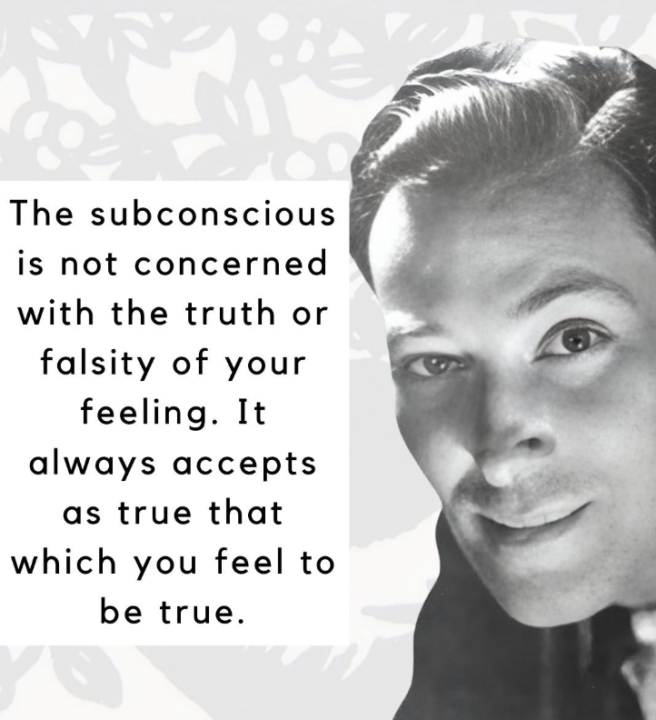
Your Feelings Are the Instructions Your Mind Follows
The words in this image point to something quietly powerful about how our inner world works. Your subconscious mind doesn’t debate facts. It doesn’t argue logic. It doesn’t ask, “Is this really true?”It simply listens to what you feel and accepts that as reality. If you feel unworthy, unsafe, or not good enough, the subconscious treats that feeling as truth and begins shaping your perceptions, reactions, and choices around it. Not because it’s accurate—but because it’s familiar. And equally, if you feel hopeful, capable, supported, or calm, it accepts that as truth too. This is why emotional well-being is not about forcing positive thoughts or pretending everything is fine. It’s about gently shifting how you feel—because feelings are the language the subconscious understands. Small emotional adjustments matter: - Choosing self-compassion instead of self-criticism - Pausing to breathe when anxiety rises - Speaking to yourself with kindness - Allowing moments of safety, relief, or gratitude Each of these sends a new message inward: “This is safe now. This is possible. This is who I am becoming.” Over time, the subconscious aligns with those feelings and begins to support them—through habits, beliefs, and even opportunities you start to notice. So today, ask yourself:👉 What am I repeatedly feeling—and therefore teaching my subconscious to accept as true? You don’t need to change everything at once. Just begin by honouring the feelings you want to live from. Because when your inner world shifts, your outer world follows—quietly, steadily, and powerfully. 💛
0 likes • Jan 13
@Felicity McMahon Thanks Felicity
1-10 of 76
@warren-bell-9608
I am a registered mental health nurse of 22 years. I believe that change is possible with the right knowledge and support that empowers and enables.
Active 14d ago
Joined Aug 21, 2025
England