Activity
Mon
Wed
Fri
Sun
Aug
Sep
Oct
Nov
Dec
Jan
Feb
Mar
Apr
May
Jun
Jul
What is this?
Less
More
Owned by Vladislav
This framework is a bulletproof solution for strong mental health and healthspan. Backed by science, WHO's guidelines and lived experiences. No magic
Memberships
Skoolers
167k members • Free
9 contributions to Sapiens OS. Healthspan Tribe

Jun 4 •
Stress is not just psychological. It leaves traces in the body before diagnosis.
A new cohort study using electronic health records looked at routine biomarkers before people were diagnosed with stress-related disorders. The signal was not dramatic, but it was meaningful: - higher hemoglobin was associated with lower risk - higher potassium was associated with lower risk - higher LDL cholesterol was associated with higher risk The deeper point is not about turning stress into a lab value. It’s this: the body often starts shifting before the mind gets a formal label. Stress-related disorders are usually framed as emotional or psychological problems. But this research adds to a larger pattern: chronic stress is a whole-system event. It touches metabolism, inflammation, recovery, energy regulation, and physiological resilience. That matters because many people wait until symptoms become obvious enough to be named. But the system often starts paying the price earlier. This is why I keep repeating the same principle: You cannot separate mental health from biology. Sleep. Nutrition. Movement. Recovery. Nervous system regulation. Metabolic health. These are not side topics.They are part of the foundation. Important nuance: this study does not prove causation, and these biomarkers are not strong enough to be used as standalone prediction tools. But they do support something important: stress-related disorders may have measurable somatic footprints before diagnosis. And that should change how we think about prevention. Not just “how do we cope better once stress becomes overwhelming?” But: what is already happening in the body while we are still calling it “just stress”? Question for the group:Have you ever noticed physical changes showing up before you fully realized you were under too much stress?
May 27 •
More clarity. More confirmation
Last year, I proposed something that many people still resist: chronic low-grade inflammation may be a primary driver of depression for a meaningful subgroup of people A new JAMA Psychiatry publication adds more weight to that idea. In a randomized clinical trial, researchers tested whether blocking IL-6 signaling could improve symptoms in people with difficult-to-treat depression and persistent inflammation. The study was small, so this is not the final word.But the signal is important: - symptoms improved more over time - remission and response rates were higher - effects were stronger in people with higher baseline hs-CRP - hs-CRP may be a useful biomarker for identifying who is more likely to benefit That matters. It does not mean inflammation explains all depression.But it strengthens the case that for some people, depression is not primarily psychological in origin. It is at least partly biological, mediated through immune and inflammatory pathways. And that changes the order of operations. Before jumping straight into narrative, mindset, or purely psychological interpretation, we should ask: Is there chronic inflammation?Is the biology supported?Are sleep, nutrition, movement, stress, and circadian disruption pushing the system further into dysregulation? Because if the root driver is biological, insight alone may not be enough. This is why the Sapiens OS framework starts with biology: Sleep Nutrition Movement Stress regulation Circadian alignment Social connection Agency Meaning Rest Curiosity These are not “lifestyle extras.”They are inflammation regulators.They stabilize the system. Only then does deeper work become more effective: psyche, trauma, identity, story. The future of mental health may not be biology versus psychology. It may be about sequencing them correctly. Question for the group: Do you think mental health care still underestimates how often biology is driving the emotional experience?
0
0
May 12 •
I built the Sapiens OS evaluation tool
Looking for honest feedback. http://osapiens.expert/coach What do you think? Is it helpful?
1
0
Apr 29 •
New perspective on workforce well-being
A new JAMA perspective makes a point that should be obvious by now, but still isn’t treated seriously enough: Burnout is not an individual weakness. It is a systems problem. In health care, workforce well-being affects not just morale, but safety, quality of care, retention, access, and long-term system stability. The core message is simple:if leadership treats well-being as optional, the system pays for it later through turnover, errors, dysfunction, and loss of trust. A few important takeaways: - well-being needs real leadership accountability, not symbolic concern - measurement should drive action, not bureaucracy - work itself needs redesign: less admin burden, better workflows, better team structures - culture matters: psychological safety, respect, and leadership behavior are not “soft” issues - operational excellence and well-being are not competing goals — they reinforce each other - This applies far beyond medicine. Any organization that wants sustainable performance has to stop asking individuals to compensate for broken systems. In your experience, what destroys well-being faster: overload, lack of autonomy, or working inside a system that no longer makes sense?
0
0
Apr 23 •
New research on ketogenic diets and treatment-resistant depression
A new randomized trial tested a ketogenic diet in people with treatment-resistant depression. Both groups improved quickly. But after 6 weeks, the ketogenic diet group improved slightly more than the control diet group. Important nuance: the benefit was modest, not dramatic. There were no clear differences in most secondary outcomeslike anxiety, cognition, or functioning. And once the intensive support stopped, very few people kept following the diet. So the honest takeaway is this: A ketogenic diet may help some people with treatment-resistant depression as an adjunct, but this is not a miracle intervention. It appears demanding, hard to sustain, and probably not realistic without strong structure and support. This is how mental health usually works: not one magic lever, but a system. Biology matters. Nutrition matters. Adherence matters. Context matters. Question for the group: Do you think highly structured interventions help because of the biology itself, or because structure, attention, and hope already change the system?
0
0
1-9 of 9
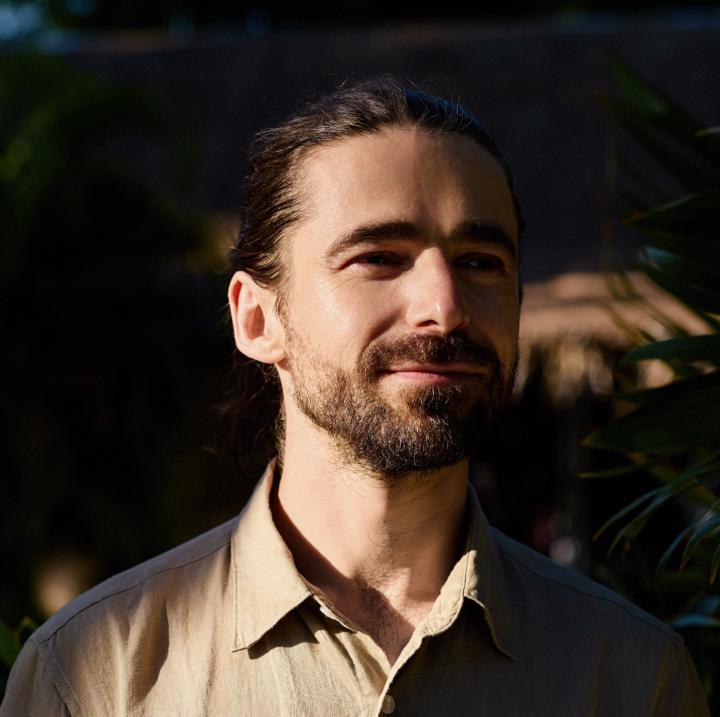
@vladislav-andreev-2599
Vladislav is an entrepreneur and mental health educator, founder of O!Sapiens. Executive coach
Active 16d ago
Joined Mar 30, 2026
Barcelona