Activity
Mon
Wed
Fri
Sun
Jun
Jul
Aug
Sep
Oct
Nov
Dec
Jan
Feb
Mar
Apr
May
What is this?
Less
More
Memberships
Maverick Aromatherapy
89 members • Free
Crystal Appreciation Society
148 members • Free
Granny Wisdom, Hippie Vibes
356 members • Free
156 contributions to Crystal Appreciation Society

🔥
Mar 20 •
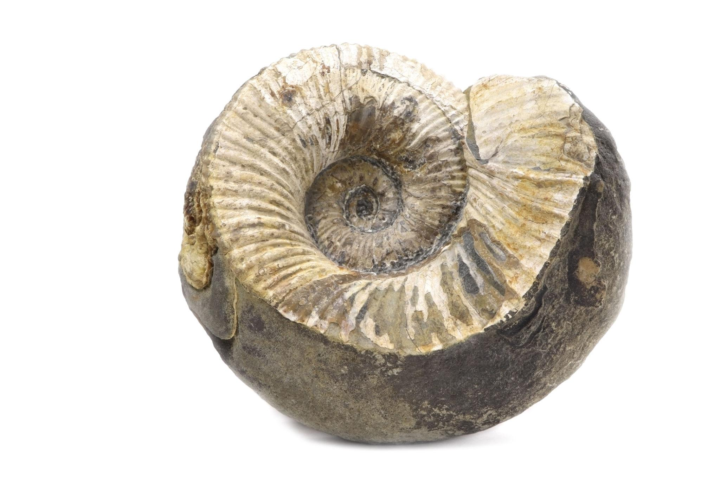
Crystal Spotlight: Fossils
Fossils carry a very different kind of energy than most stones. When we hold a fossil, we are holding evidence of life that once moved, grew, flowed, or breathed in another age. That gives them a deeply ancient, steady feeling. Fossils often feel grounding, wise, and quietly powerful, like they remind us that life changes form but does not simply disappear. They are wonderful for people who feel scattered, unrooted, or disconnected from the long story of life. Physical Overview A fossil is not one single mineral species. It is the preserved remains, imprint, or trace of ancient life. That can include shells, coral, wood, bone, plants, insects, ammonites, trilobites, and many other forms. Over time, the original material may mineralize or be replaced by minerals such as silica, calcite, pyrite, or other compounds depending on the environment. Because fossils are a category rather than one exact material, their hardness, color, weight, and appearance can vary a lot. Some are smooth and polished, some are rough and chalky, some are dense and stone-like, and some still clearly show the structure of the original organism. Common fossil colors include tan, brown, cream, black, gray, rust, and muted earth tones, though opalized or agatized fossils can be much more colorful. Physically, fossils connect us to Earth history, deep time, natural cycles, and the reality that life leaves an imprint. Historical Usage Humans have been fascinated by fossils for a very long time. In many ancient cultures, fossils were collected as curiosities, talismans, protective objects, or sacred signs. Ammonites were especially valued in different regions and were sometimes associated with serpents, cycles, and protective power. Fossil shark teeth, shells, and petrified wood were also kept or traded in various cultures for their unusual forms and perceived strength. In more practical terms, fossils also helped later civilizations begin understanding the age of the Earth, extinct life, and the changing history of the planet.

3 likes • Mar 23
Two others
3 likes • Mar 23
@Robin Lewis Ammolite is a fascinating organic gemstone that comes from the fossilized shells of ammonites, which are ancient sea creatures. Over millions of years, these shells have transformed through a process called mineralization, giving rise to the stunning, iridescent material we see today. While it has some crystalline qualities, it's primarily recognised as a fossil, distinguishing it from typical crystals. Its a sought-after gemstone in jewelry.

Mar 22 •
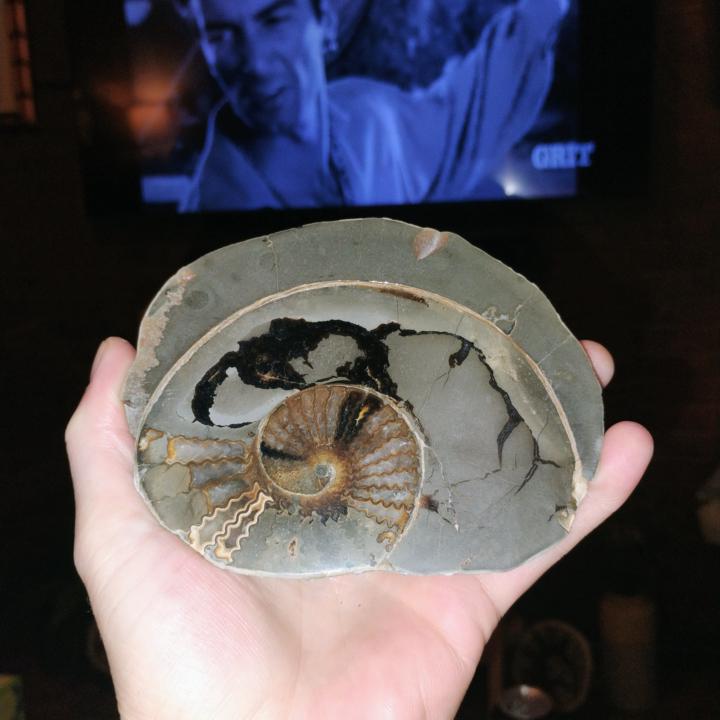
Ammonite Fossil Self Collected and Finished
Engonoceras Ammonite exposed inside of a small Septarian self collected and cut. Complete with living chamber intact and full of Calcite and Aragonite crystals. Also from the Cretaceous seaway Eagle Ford Group
5 likes • Mar 22
That's amazing! Where did you find it?
🔥
Mar 22 •
What Am I? #5
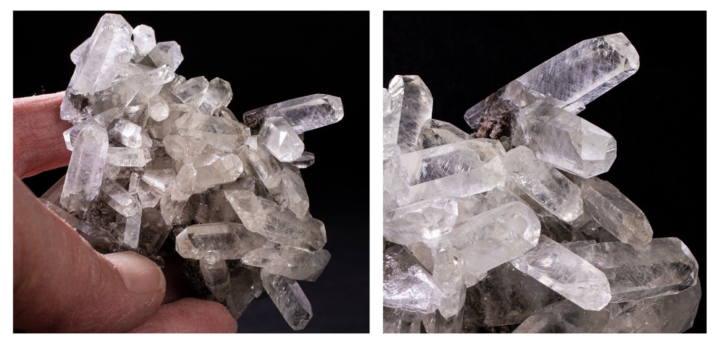
ANSWER REVEALED BELOW ----------------------------------------------------- MATERIAL: I am a calcium carbonate mineral. DESCRIPTION: I come in many colors but often form clear rhombohedral crystals that split easily. I have a Mohs hardness of 3. FORMATION: I commonly form in limestone caves as stalactites and stalagmites. METAPHYSICAL USES: I am believed to amplify energy and assist with emotional release.
5 likes • Mar 22
Is it calcite? At first I thought quartz but the mohs hardness was too low.
🔥
Mar 9 •
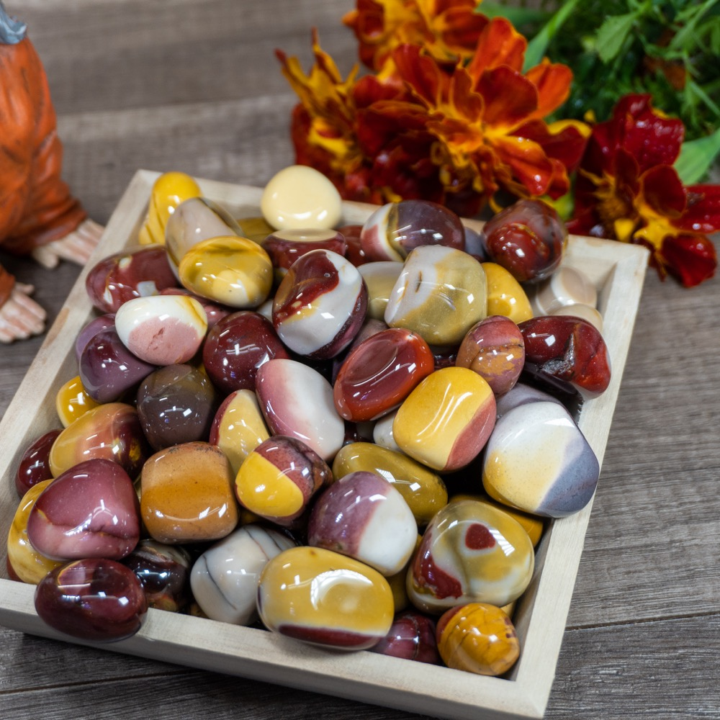
Crystal Spotlight: Mookaite
Mookaite has one of those warm, earthy energies that feels immediately grounding when we hold it. It carries the spirit of the ancient land it comes from, with colors that mirror desert sands, clay, and sun-baked stone. Many of us experience Mookaite as a stone that encourages both steadiness and adventure at the same time. It helps us feel rooted in the present moment while also nudging us toward new experiences and opportunities. There is a quiet confidence in its energy, like standing firmly on the earth while still being curious about what lies over the next hill. Mookaite tends to support decision-making, adaptability, and a healthy sense of personal direction. When life feels scattered or when we are facing new choices, this stone often brings a calm clarity that helps us move forward with trust in our instincts. Physical Overview Mookaite is a variety of jasper, which places it in the chalcedony family of microcrystalline quartz. Composition: Silicon dioxide (SiO₂) with various mineral inclusions Mohs hardness: 6.5 – 7 Crystal system: Microcrystalline / cryptocrystalline quartz Luster: Waxy to dull when polished Common colors: Deep red, mustard yellow, burgundy, cream, brown, purple tones, and blended patterns Primary locality: Western Australia, particularly near Mooka Creek in the Kennedy Ranges The name “Mookaite” comes from the Aboriginal word Mooka, which loosely translates to “running waters,” referring to the springs and water systems in the region where the stone is found. Mookaite forms when silica replaces ancient marine sediments and microorganisms, meaning the stone contains fossilized biological material that has slowly transformed into jasper over millions of years. This is one reason the patterns often appear layered, earthy, and organic. Physically, Mookaite is sometimes associated with vitality, circulation, immune strength, and overall physical resilience. In crystal healing traditions, many people work with it as a stone that encourages healthy aging and physical adaptability.
3 likes • Mar 15
I love Mookaite. Apparently it is not a true jasper as it is technically a silicified radiolarite—a sedimentary rock composed of the microscopic skeletal remains of Radiolaria, tiny marine organisms that lived in an inland sea covering Western Australia during the Cretaceous Period. I like the fact it mixes crystals and fossils together.
3 likes • Mar 15
@Robin Lewis Ooohhh, that's so interesting.

Mar 13 •
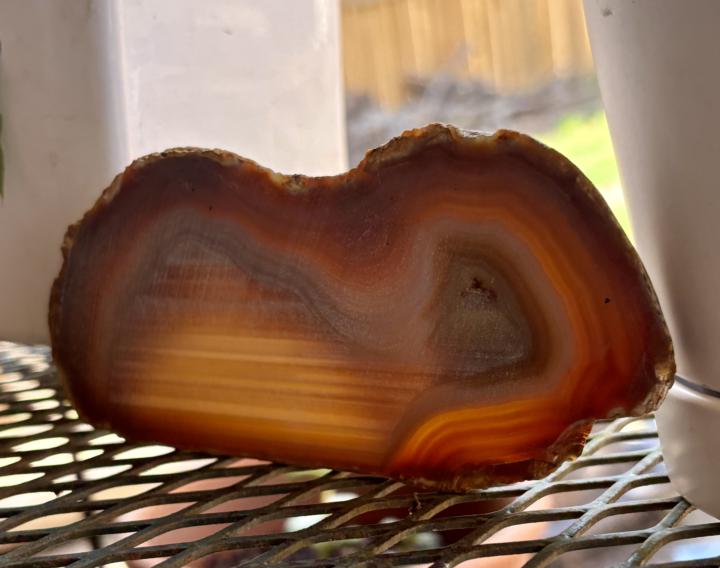
Do you see the turtle?
I won this in a drawing at the.”rock club” (what we all call it). Everyone immediately said, oh there’s a turtle in there.
3 likes • Mar 15
I think it looks a bit like a guinea pig.
1-10 of 156

@tori-gabriel-9998
I am a 42 year old Pagan Brit with a love of nature and crystals
Active 8d ago
Joined Dec 17, 2025
INFJ
Lincolnshire, England