Activity
Mon
Wed
Fri
Sun
Sep
Oct
Nov
Dec
Jan
Feb
Mar
Apr
May
Jun
Jul
Aug
What is this?
Less
More
Immune Resilience Lab
8 members • Free
Shrink Rap
1.1k members • Free
HolisticAmerican-HealthAcademy
3.7k members • Free
Holistic Product Tester Group
31.3k members • Free
The Menopause Lab
62.9k members • Free
7 contributions to Immune Resilience Lab


3 likes • Apr 22
Yes Please!

Apr 4 •
🌿 Dandelion: More Than Just a “Weed” – A Holistic Immune Ally
For centuries, dandelion has been demonized in lawns and gardens as nothing more than a stubborn, invasive weed. But in reality, this unassuming plant is a powerhouse for holistic health, particularly for supporting immune resilience. The Whole Plant Has Purpose Dandelion isn’t just a single-use herb; every part of it has unique benefits: - Roots: Traditionally used to support liver detoxification, the roots help your body process and eliminate toxins efficiently—critical for immune system strength. - Leaves: Packed with vitamins A, C, K, and minerals like potassium and calcium, the leaves nourish the body and support cellular function. - Flowers: Rich in antioxidants, they combat free radicals and reduce systemic inflammation, which is a major drain on immune resilience. - Seeds: Though less commonly used in supplements, they contain beneficial compounds for gut health and nutrient absorption. Why It Was “Demonized” - Modern landscaping culture labeled dandelions as “nasty weeds,” encouraging people to remove and ignore them rather than explore their health benefits. - This cultural bias contributed to the loss of holistic knowledge, turning a potent immune-supportive plant into a symbol of nuisance. How Dandelion Supports Immunity 1. Detoxification: Liver support reduces inflammatory load and frees up immune resources. 2. Anti-inflammatory compounds: Flavonoids and polyphenols help regulate the immune system. 3. Gut and digestive support: Healthy digestion is foundational for strong immunity, and dandelion acts as a gentle digestive aid and prebiotic. 4. Nutrient-dense nourishment: Vitamins and minerals support cellular health, energy, and recovery. Practical Ways to Use Dandelion - Tea: Brew leaves, roots, or flowers for a daily immune-supporting drink. - Salads: Fresh leaves are slightly bitter but packed with nutrients. - Tinctures or extracts: Concentrated forms for targeted detox or immune support. - Infused oils or syrups: Utilize flowers for antioxidant-rich preparations.

3 likes • Apr 7
We love our trailer daisies. I tell Tue green that every time they knock on my door. My neighbors hate my lawn.
Oct '25 •
Tea 🫖 time
https://www.amazon.com/shop/patrickmckennahealth/list/2PAX4J9B73XAX?ref_=aipsflist The above link is to my tea section on Amazon. What other teas would you like me to cover?👇🏻

1 like • Feb 25
Good morning, Friends, I accidentally bought dandelion powder not dandelion root for my tea. Anyone use the powder? I tried but I think I put way too much in. I am thinking a little goes a long way. Looking for advice since I have a pound🤪
1 like • Mar 23
@Ana Suri Love tea but you are right a little goes a loooonnnnggggg way!
Mar 20 •
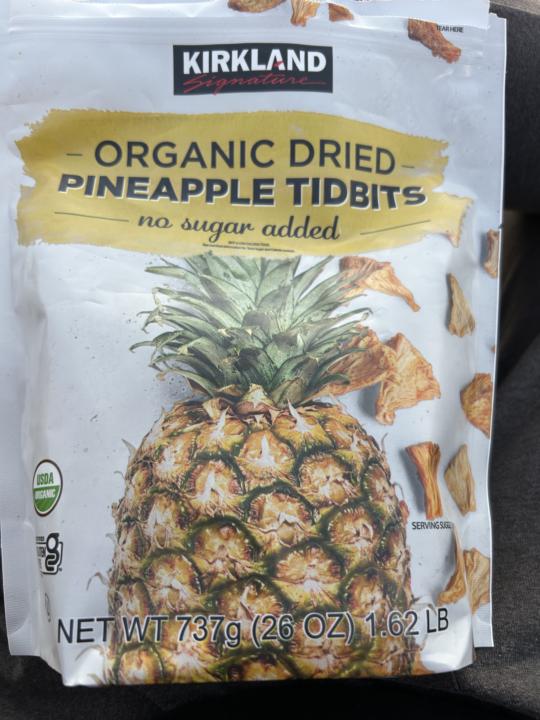
Dehydrated Pineapple 🍍
Most people overlook this simple snack—but dried pineapple tidbits can actually be a powerful addition to your immune resilience routine 🍍 Here’s why: First, pineapple contains bromelain, a natural enzyme known for its anti-inflammatory properties. Chronic inflammation weakens the immune system over time, so anything that helps reduce it is a win. Second, it’s a solid source of vitamin C. Even in dried form, pineapple supports your body’s ability to fight off infections, repair tissue, and strengthen overall immune response. Third, it provides quick, clean energy. When your body is properly fueled, your immune system functions more efficiently—especially during busy or stressful days. Now, a quick reality check: not all dried pineapple is created equal. Many store-bought versions are loaded with added sugars and preservatives, which can actually work against your health goals. What to look for: • No added sugar • No sulfites if possible • Organic or naturally dried options How to use it: • Toss into oatmeal or yogurt • Add to trail mix with nuts and seeds • Keep a small portion on hand for a quick energy boost Simple habits compound. You don’t need a complete lifestyle overhaul—just smarter daily choices that support your body consistently. Small upgrade. Real impact. What’s one snack you could swap this week to support your immune system a little better?
0 likes • Mar 23
We put dried pineapple in our tutti frutti tea blend
Feb 23 •
🧂 Sea Salt: Is It Actually Better for You?
Sea salt gets marketed as “healthier” than regular table salt — but what’s real and what’s hype? Let’s break it down. ✅ Potential Benefits of Sea Salt 1️⃣ Less Processing Sea salt is produced by evaporating seawater. Unlike standard table salt, it’s usually not heavily refined or stripped of trace minerals. 2️⃣ Trace Minerals Depending on the source, sea salt may contain small amounts of magnesium, potassium, calcium, and other minerals. These contribute to flavor complexity — though the amounts are typically minimal from a nutritional standpoint. 3️⃣ Flavor & Texture Flaky or coarse sea salts (like finishing salts) can enhance food texture and reduce the need to over-salt because the crystals hit the palate differently. 4️⃣ No Added Iodine (For Some People, This Matters) Some prefer sea salt because it doesn’t contain added iodine or anti-caking agents. ⚠️ What to Watch Out For 1️⃣ It’s Still Sodium Sea salt and table salt contain roughly the same amount of sodium by weight. If you’re watching blood pressure, the source doesn’t change the sodium load. 2️⃣ Iodine Intake Since most sea salts don’t contain added iodine, people who rely exclusively on sea salt may fall short — especially if they don’t consume dairy, seafood, or eggs regularly. 3️⃣ “Mineral” Marketing Claims Yes, trace minerals exist — but they’re present in tiny amounts. You’d need unsafe levels of salt intake to get meaningful mineral benefits. 4️⃣ Cost vs. Benefit Some premium salts are significantly more expensive. Great for flavor — not necessarily superior for health. 🧠 Bottom Line If your goal is better flavor and a more natural product, sea salt is a solid choice. If your goal is better health, the bigger factor isn’t the type of salt — it’s total sodium intake and overall diet quality. Personally? I use: - Fine sea salt for everyday cooking - Coarse or flaky sea salt for finishing dishes But moderation always wins. 💬 Question for the group: Do you prefer sea salt, Himalayan, kosher, or regular table salt — and why?

3 likes • Feb 24
I tend to use Himalayan pink salt the most.
1-7 of 7

@tonya-fant-3419
I'm a mother of 4 using holistic remedies to care for my family. I teach gardening and canning/preserving.
Active 3h ago
Joined Jan 23, 2026