Activity
Mon
Wed
Fri
Sun
Feb
Mar
Apr
May
Jun
Jul
Aug
Sep
Oct
Nov
Dec
Jan
What is this?
Less
More
Memberships
Journey on Nature's Path
358 members • Free
Craft & Connect
1.5k members • Free
Gardeners Growing Together
292 members • Free
Sourdough Made Simple
128 members • Free
HolisticAmerican-HealthAcademy
3.5k members • Free
FaithTech Design Lab
24 members • Free
Disciples of Christ
690 members • Free
Crafted By Faith
52 members • Free
Shrink Rap
960 members • Free
122 contributions to Holistic Product Tester Group

⭐
🔥
13d •
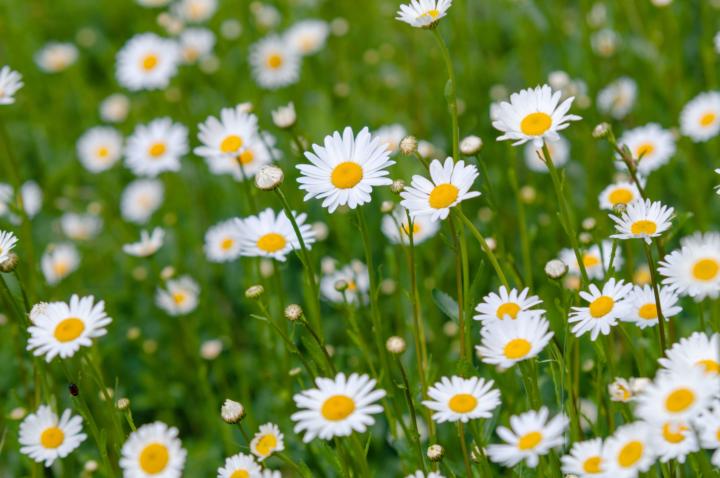
🌿 What's the Weed: Folk Remedies You Can Find Outside 🌼 (Oxeye Daisy)
This cheerful perennial spreads aggressively through meadows, roadsides, and pastures, forming dense colonies that can take over entire fields. Its classic white petals radiate around a bright yellow center on tall, slender stems, blooming from late spring through summer. Dark green, spoon-shaped leaves clasp the stem in an alternating pattern. While it looks innocent and pretty, land managers and farmers despise this invasive spreader that crowds out native plants and forage crops—yet European folk traditions have long valued this familiar flower as a healing herb for wounds, digestion, and respiratory troubles. ✨ Traditional Uses: • Fresh or dried flowers have been brewed into teas to soothe coughs, bronchitis, and respiratory congestion. • Folk healers have used it as a digestive aid and mild bitter tonic to stimulate appetite and ease indigestion. • Traditionally applied as a poultice or wash to speed healing of wounds, bruises, and minor skin irritations. • Valued as an astringent remedy for mouth sores, sore throats, and minor bleeding. ✨ DIY Folk Remedy Recipe: Soothing Flower Tea Gather fresh flower heads (or use 1-2 teaspoons dried). * Pour 1 cup of hot water over 2-3 fresh flowers. * Cover and steep for 10-15 minutes, then strain. * Drink warm, sweetened with honey if desired. This mild, pleasant tea has been a traditional remedy for coughs and digestive upset for generations. 👇 Drop your guess in the comments! Who knows this "weed"?

0 likes • 5d
Didn't know this about this plant. I have some growing wild in my property, but would like to have a dedicated area for it to grow. Another one to add to my never ending list to grow.
⭐
🔥
Sep '25 •
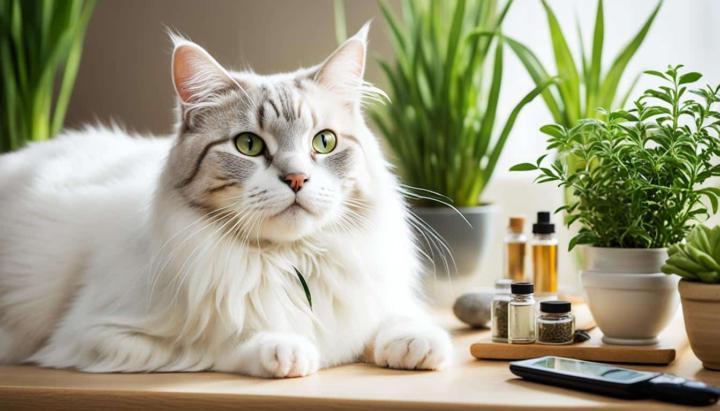
Holistic American Blog: 🐱 The Hidden Truth: Why Your Cat Should Live 25-35+ Years
Hey Holistic Americans! ✨ Please Note: This post may challenge many cat owners. My intention is not to offend, but to share insights that may help you see things differently. While I am not a pet specialist myself, Doug and I partnered with the nation’s top Animal Naturopath to create the Holistic American Pet Academy. She has since retired, and I have yet to meet anyone with her depth of knowledge. We since closed the Pet Academy unfortunately. It is our hope to bring it back some day or incorporate it into the HAHA Group. What I’m sharing here comes from the wisdom and experience we gained during that time. I encourage you to do your own research, outside of the veterinarian–pharma system, which often mirrors the same profit-driven patterns we see in human medicine and dentistry. At its core, Animal Naturopathy is about the well-being of the animal FIRST, not business. Let’s continue…. What if I told you that your beloved cat is designed to live 25-35+ years, not the 13-17 years we've come to accept as "normal"? Just like humans are designed to live 120 years but settle for 70-80, our feline companions are dying decades before their biological clocks should stop ticking. The shocking truth is that modern veterinary practices, environmental toxins, and processed diets are stealing precious years from our cats' lives. It's time to uncover what's really happening—and what you can do about it. 📊 The Lifespan Deception 𝗰𝘂𝗿𝗿𝗲𝗻𝘁 "𝗻𝗼𝗿𝗺𝗮𝗹" 𝗹𝗶𝗳𝗲 𝗲𝘅𝗽𝗲𝗰𝘁𝗮𝗻𝗰𝘆: • Indoor cats: 12-18 years • Outdoor cats: 7-12 years • Mixed breed cats: 13-17 years • Purebred cats: 10-15 years 𝗻𝗮𝘁𝘂𝗿𝗮𝗹 𝗯𝗶𝗼𝗹𝗼𝗴𝗶𝗰𝗮𝗹 𝗽𝗼𝘁𝗲𝗻𝘁𝗶𝗮𝗹: • All domestic cats: 25-30 years • Some breeds with proper care: 30+ years The difference is staggering—we're losing 10-15 years with our beloved feline companions, and most people don't even realize it's preventable. 🧬 The Science Behind Natural Feline Longevity 𝗰𝗲𝗹𝗹𝘂𝗹𝗮𝗿 𝗮𝗴𝗶𝗻𝗴 𝗿𝗲𝘀𝗲𝗮𝗿𝗰𝗵 𝗿𝗲𝘃𝗲𝗮𝗹𝘀: • Cats' telomeres (cellular aging markers) are designed for much longer lifespans • Wild cats regularly live 15-20 years in harsh conditions • Domesticated cats in optimal conditions should far exceed wild counterparts • Genetic studies show longevity genes that aren't being expressed
3 likes • Sep '25
I do have an indoor cat, no vet trips or vaccines other than when kitten. I've been wanting to change her diet and this post will help me to establish this process.
1 like • 6d
My cat hasn't been to the vet since I've had her the last five years. Over the last few months I've been switching her from dry cat food to cooked chicken, beef and chicken livers. She has began to lose the extra weight that she has.
⭐
🔥
May '25 •
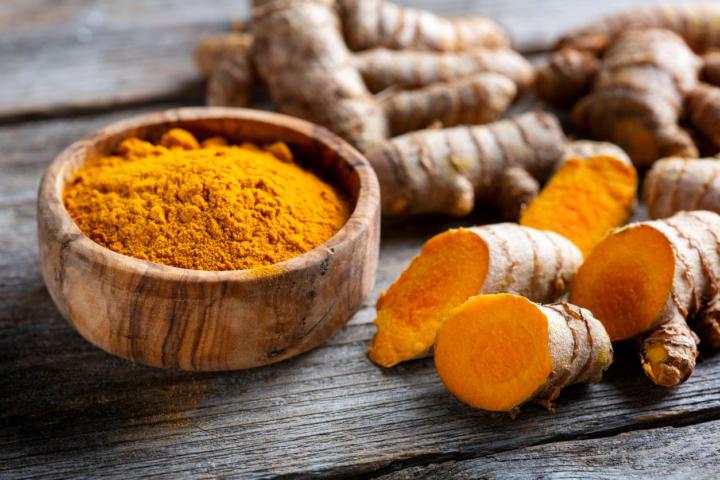
Holistic American Blog: The Golden Spice: Why Turmeric Should Be Part of Your Daily Health Arsenal
𝗧𝗵𝗲 𝗣𝗼𝘄𝗲𝗿 𝗼𝗳 𝗡𝗮𝘁𝘂𝗿𝗲'𝘀 𝗔𝗻𝘁𝗶-𝗜𝗻𝗳𝗹𝗮𝗺𝗺𝗮𝘁𝗼𝗿𝘆 Turmeric isn't just a colorful addition to your spice rack. It's a medicinal powerhouse that deserves a permanent place in your daily health regimen, especially if you're concerned about inflammation and joint health. 𝗨𝗻𝗱𝗲𝗿𝘀𝘁𝗮𝗻𝗱𝗶𝗻𝗴 𝗜𝗻𝗳𝗹𝗮𝗺𝗺𝗮𝘁𝗶𝗼𝗻: 𝗧𝗵𝗲 𝗥𝗼𝗼𝘁 𝗼𝗳 𝗠𝗮𝗻𝘆 𝗛𝗲𝗮𝗹𝘁𝗵 𝗖𝗼𝗻𝗰𝗲𝗿𝗻𝘀 Inflammation is at the core of numerous chronic conditions affecting millions of Americans. From achy joints and digestive issues to more serious concerns, unchecked inflammation can significantly impact our quality of life and long-term health. While conventional approaches often focus on managing symptoms, a holistic perspective looks at addressing the root causes. This is where turmeric shines as one of nature's most effective anti-inflammatory agents. 𝗧𝗵𝗲 𝗦𝗰𝗶𝗲𝗻𝗰𝗲 𝗕𝗲𝗵𝗶𝗻𝗱 𝗧𝘂𝗿𝗺𝗲𝗿𝗶𝗰'𝘀 𝗛𝗲𝗮𝗹𝗶𝗻𝗴 𝗣𝗿𝗼𝗽𝗲𝗿𝘁𝗶𝗲𝘀 Turmeric contains compounds called curcuminoids, with curcumin being the most well-studied. Research has shown curcumin's remarkable ability to help regulate the body's inflammatory response at the molecular level. However, what many people don't realize is that curcumin alone isn't the complete story. The whole turmeric root contains hundreds of beneficial compounds that work together synergistically, creating what scientists call an "entourage effect" for maximum healing benefits. 𝗪𝗵𝘆 𝗔𝗯𝘀𝗼𝗿𝗽𝘁𝗶𝗼𝗻 𝗠𝗮𝘁𝘁𝗲𝗿𝘀 One challenge with turmeric is that curcumin isn't easily absorbed by the body on its own. This is why quality and formulation matter tremendously when choosing a turmeric supplement. The Global Healing Organic Liquid Turmeric supplement addresses this challenge through several important features: 1. **Multiple forms of turmeric** - Their formula combines traditional powder, freeze-dried juice, concentrated extract, and CO2 extract for a full-spectrum approach 2. **Black pepper inclusion** - Contains organic black pepper, which can increase turmeric absorption by up to 2,000% through its active compound piperine 3. **Liquid delivery system** - Their Raw Herbal Extract technology helps maximize bioavailability compared to capsules or tablets
10 likes • May '25
I have used turmeric and copaiba essential oil for nearly a decade. There was a time that I had applied it to myself and my mom said, what is that smell...and when I told her, she said, don't ever wear that on a date. That was about five years ago and in October I will be married for four years. My husband wears it as well and has found it just as beneficial as I do! We also drink turmeric, ginger and black pepper tea.
1 like • 6d
I prefer the essential oil of turmeric. Mixed with copaiba and black pepper... helps with inflammation and pain.
⭐
🔥
28d •
What Scar? - Follow up to Doug's Skin Cancer Victory
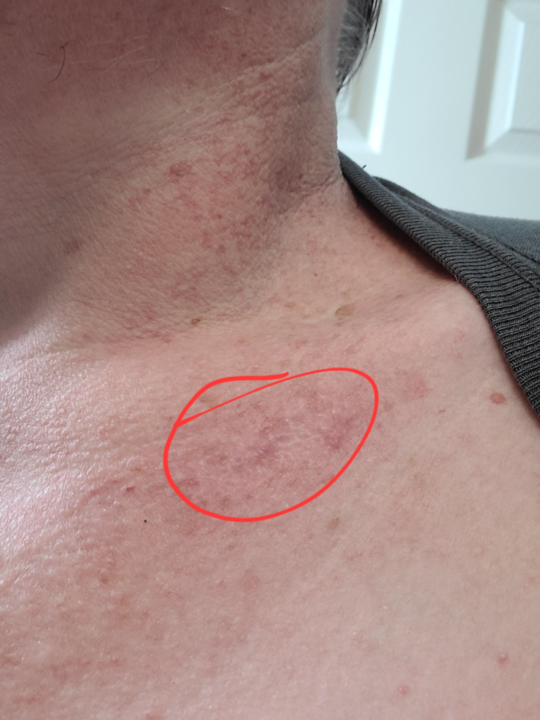
Two month's ago, HAHA founder, @Doug Reed shared his case study of his victory over basal cell carcinoma using ONLY black salve. Today Doug posted a follow up picture showing what the "scar" looks like now, from the black salve treatment just 2 months after treatment. Attached are 4 pictures. - Picture 1: was taken today (12/17). The black salve procedure was completed on 10/15 when the eschar (scab) fell of. In just 2 months, there's little evidence it existed - Picture 2: was a scar from 7 years ago when he had his first basal cell spot removed surgically with a knife, by the dermatologist. - Pictures 3 and 4 were what the black salve treated spot looked like mid October before the eschar fell off, just so you can see the size for yourself. NOW, The FDA says that black salve is dangerous and they warn you about scarring from black salve. Notice in the FDA's claims how they purposely keep the focus on the salve and completely omit the alternative comparison. How about you make your own decision based on what you see attached! In your honest opinion, would you even call the black salve spot a scar in picture 1? We live in a fake world of deception. This post helps shed light on how they keep us dumbed down with fear. Knowledge is power and the Holistic American mission is to restore America through holistic health! You are amazing and you are here for a reason...... to learn, grow, connect, and spread the mission! Black salve is amazing. Never let anyone tell you otherwise! Grandma knew it!
0 likes • 6d
Did Doug have a biopsy to determine it was cancer?
⭐
🔥
7d •
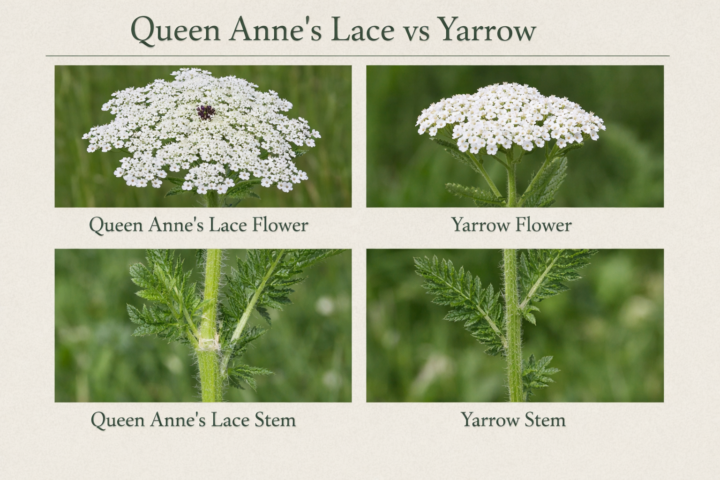
Yarrow or Queen Anne’s Lace Why Knowing the Difference Matters
Here's a helpful guide to help your "weed" identification skills! If you enjoy walking fields, back roads, or open meadows, you have probably noticed the white flowering plants that show up every summer and look almost identical at first glance. Many people assume they are all yarrow, but that is not always the case. Two very common plants that get confused are yarrow and Queen Anne’s lace. They grow in similar places, bloom at similar times, and often stand side by side. Knowing the difference matters, especially if you are interested in herbs, foraging, or simply understanding the plants around you. What is yarrow Yarrow is a perennial herb with soft, feathery leaves that grow along the stem. When you rub the leaves between your fingers, they have a strong herbal scent that is slightly bitter and aromatic. The flowers grow in tight, flat clusters and tend to look more compact and structured. Yarrow has a long history in traditional herbal use and is commonly associated with first aid support, skin applications, and seasonal wellness. Because of its strength, it is not recommended during pregnancy. What is Queen Anne’s lace Queen Anne’s lace is also known as wild carrot. It is a biennial plant and usually grows a bit taller and more delicate looking than yarrow. The flowers form an umbrella shape rather than a flat top, spreading outward from the center. Often there is a small dark purple flower right in the middle of the white cluster. This is one of the easiest visual clues and has been remembered through folklore as a drop of blood from Queen Anne’s finger while making lace. The leaves are more carrot like in shape and the stem feels fuzzy or hairy when touched. When crushed, the plant often smells faintly like carrots. Key differences to look for Yarrow has flat flower clusters while Queen Anne’s lace has a rounded, umbrella shaped bloom. Yarrow leaves grow along the stem and are finely feathered. Queen Anne’s lace leaves are more fern like and concentrated lower on the plant. Yarrow smells herbal and sharp when crushed. Queen Anne’s lace smells mild and carrot like. Queen Anne’s lace usually has a hairy stem. This is an important safety detail.
15 likes • 7d
I have yarrow growing wildly in my yard, but it gets mowed down. I do have a dedicated area where I have planted it and hope to extend its area this coming year.
1-10 of 122
@terri-calloway-7692
Retired Christian mother, grandmother...Live in Southern Indiana. Love nature, gardening, herbs. Photography just to name a few of my likes.
Active 1h ago
Joined Nov 27, 2024
Powered by