Activity
Mon
Wed
Fri
Sun
Jun
Jul
Aug
Sep
Oct
Nov
Dec
Jan
Feb
Mar
Apr
May
What is this?
Less
More
Memberships
How Fashion Really Works
45 members • Free
2 contributions to How Fashion Really Works

15d •
Desirability: The Real Currency of Luxury
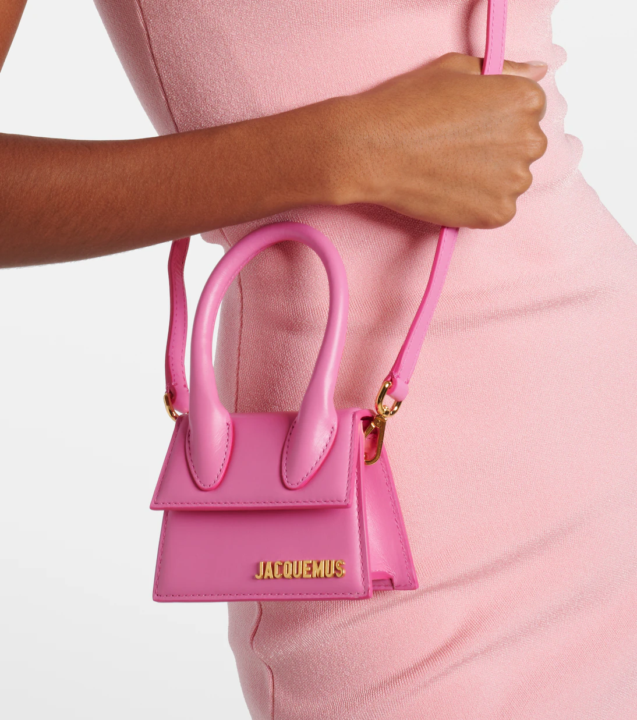
According to Business of Fashion (back in March 2026), brands are increasingly prioritising desirability as a leading indicator of performance because by the time revenue shows up, the demand has already been created… or lost. So what is desirability? Well, It’s actually quite simple. Desirability is the gap between how much people want a product and how easily they can get it. The bigger the gap, the stronger the brand. Let me show you what that looks like. Good desirability: let's Look at Hermès. Like it or not, those waiting lists for Birkin and Kelly bags constrain supply and set strict distribution. So customers don’t just buy the product. They genuinely pursue it. Some, quite rabidly. Another great example is Rolex. At times, there are years-long waiting lists for certain models. And the secondary market premiums above retail. That’s not just demand by the way. This is proper controlled scarcity converting into pricing power. Even if we look at modern examples like Jacquemus we can learn something. From their viral shows to highly shareable campaigns to limited product drops, Jacquemus is able to create cultural heat first then convert it commercially. That is proper desirability engineered for the digital era. Now, let’s consider what bad desirability looks like. Think: overexposure. Overdistribution. Permanent discounting. Products are always available. Always on sale. And always visible. This kind of brand behaviour destroys consumer desire because simply put, if everyone can have it (instantly) no one needs it. So it's important to distinguish that desirability is not a marketing output. It’s a geniune system. You've got product, price, distribution and communication all working together to create controlled demand. And if you get that system right then you don’t have to worry about chasing customers anymore because they'll be chasing you.

1 like • 14d
This bring a diferent perspective to the traditional way to see brands- Thank you !!
Apr 4 •
New Resource: 100 Prompts for Fashion Founders
Morning all! Happy Saturday. I have put together a new resource for those of you who are in the process of launching a business or have indeed already started. "100 Prompts for Fashion Founders" is a mobile-friendly PDF document that I hope will save you lots of time and expense. It's built around 10 of the most commercially critical areas a fashion founder has to navigate: from brand positioning and cashflow to licensing, retail relationships, and knowing when your brand is in trouble. Each prompt is structured around a specific senior expert role - brand strategist, retail buyer, licensing director - and gives you a precise brief you can paste straight into any AI tool. It's free for everyone in this community. Consider it a thank-you for being here. Download it below, keep it on your phone, and use it whenever you're facing a decision you're not quite sure how to think through. I would love to know which sections you find most useful. You can find it in Classroom > Resource Library https://www.skool.com/how-fashion-really-works/classroom/c647608e?md=beaf161bd0744a0c81d22ef989ff18a8 Cheers Jalil
1 like • 14d
Thank you👏👏
1-2 of 2

@spyros-alegria-9230
At Andino Alpaca we work directly with Latin American artisans bringing premium handcrafted clothing & home decor accessories from Alpaca fibres.
Active 12d ago
Joined Apr 24, 2026
United kingdom
Powered by