Activity
Mon
Wed
Fri
Sun
Nov
Dec
Jan
Feb
Mar
Apr
May
Jun
Jul
Aug
Sep
What is this?
Less
More
CSCS Accelerator Community
236
Free
Built To Perform: Daru Strong
847
5.0
Free
1445 contributions to Built To Perform: Daru Strong
Aug 3 •
Book Cover Poll
Which cover photo do you like the most for my new book Fight Ready. Comment 1 or 2

0 likes • Aug 17
2
Jul 30 •
S&C Template
What’s everyone using these days trying to create a new 4 day, 3 day template this year to make it easier for our athletes. Whats everyone working on?
3
0
Jul 10 •
Champions create distance on Fridays
Have a great championship weekend ⌛️💪🏼 https://youtu.be/vKqqczEyFqM?is=dXrSYZj79QVqXn1t
4
0
Jul 4 •
Morning Affirmation – Freedom Requires Responsibility
Today, I am grateful for the freedom I have been given, knowing it was purchased through sacrifice, courage, service, and unwavering commitment. Freedom is not simply a privilege it is a responsibility. As a leader, I understand that leadership and freedom share the same foundation: accountability. The men and women who fought for our nation’s freedom accepted risk, embraced hardship, and chose service over comfort. Their example reminds me that meaningful results are never accidental they are earned through discipline, consistency, and action. Today, I will lead with purpose. I will hold myself to a higher standard. I will choose discipline over excuses, action over hesitation, and excellence over mediocrity. I will not wait for motivation to find me; I will create momentum through my daily habits and decisions. My responsibility is to set the example, raise the standard, and positively impact those around me. Every conversation, every workout, every meeting, and every decision is an opportunity to lead. Freedom gives me the opportunity. Accountability determines what I do with it. Today, I will maximize my gifts, outwork expectations, and serve others with passion and purpose. “To whom much is given, much will be required.”
4
0
Jun 30 •
Morning journal
June 30, 2026. Today’s theme is clarity: I’m reminded that this day like every day is the most important because it’s the only one I can control. I’ve built 181 straight days of training, and each day has reinforced that consistency is king. This morning, I knocked out my 800 meters of lunges tough but satisfying. I’m keeping my low back and core strong because that foundation keeps me injury-free. Afterward, I took time to pray grounding myself beyond the physical—and read 10 pages to keep my mind sharp. This journal entry is part of that daily reflection, keeping me accountable. The Morris Method System is taking shape, and I’m fully H.Y.P.R.R. focused: How I serve people, keeping my vision, trusting the process, measuring results, and always choosing the right response. “WORK” is my bottom line. I maximize, outwork, and repeat daily. I’m living by the 4-6 A-B +2 = Fly Fast mindset, and I know the only way forward is to keep showing up, because today is always the most important day.

1 like • Jul 1
@Da'twan Luckie Appreciate that, my man! I do like to get going early- 1am it’s the calm before the storm, before birds chirp you know? Right now, I’m diving into “The System.” Soviet periodization adaptive for American strength coach, always trying to level up for the athletes I’m working with! What about you bro??
0 likes • Jul 2
Keep stacking days brother
1-10 of 1,445
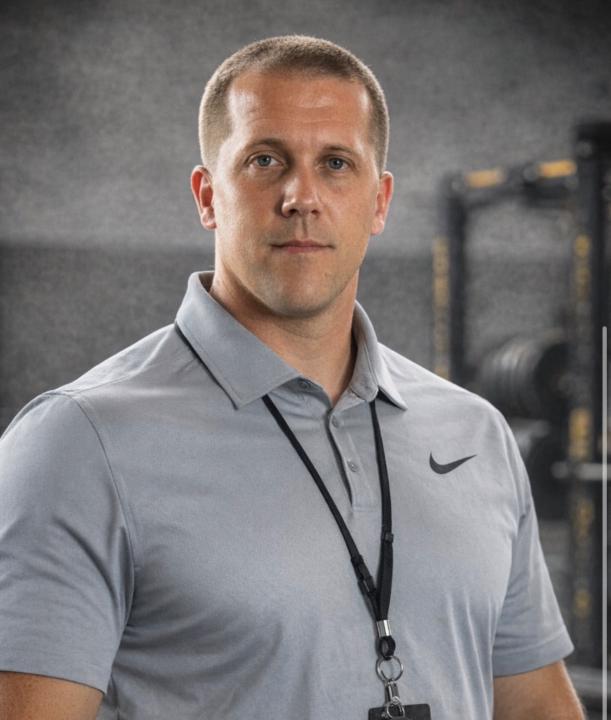
@seth-morris-2509
Physical Preparation Specialist, that has a proven track record of success and innovation within the world of elite performers.
Active 2d ago
Joined Jun 22, 2026
Miami Gardens
Powered by