Activity
Mon
Wed
Fri
Sun
Dec
Jan
Feb
Mar
Apr
May
Jun
Jul
Aug
Sep
Oct
Nov
What is this?
Less
More
29 contributions to UniteThe99
30d •
😉
Mountains form through tectonic processes that reshape Earth’s crust over millions of years. When two continental plates converge, immense compressional forces cause the crust to shorten, thicken, fold, and uplift, forming towering mountain ranges such as the Himalayas. At subduction zones, where one tectonic plate sinks beneath another, fluids released from the subducting slab trigger partial melting in the overlying mantle, generating magma that can rise and form volcanic mountain ranges such as the Andes. In other regions, tectonic forces stretch and fracture the crust along faults, causing large blocks of rock to be uplifted while others sink, producing fault block mountains.


1 like • 30d
🏔️
Sep 24 •
THE UNIVERSE IS VOICE ACTIVATED, AND I CAN PROVE IT TO YOU RIGHT NOW
GO TO THE LINK BELOW and join me on the Sacred Egypt Tour - we will step inside the Great Pyramid and speak our intentions in the King's Chamber, one of the most powerful places on earth to reprogram your words and rewrite your timeline.👇 bit.ly/4BK-SACRED-EGYPT-TOUR

0 likes • Sep 25
Yes sir! 👑
Aug 1 •
Billy Carson
Billy Carson - I am having a great time at Gaia Ancient Civilizations Conference. Dr. Theresa Bullard, Alan Whyke, Robert Edward Grant, Filippo Biondi, Cassie Coppersmith Martin, Gregg Braden, Freddy Silva and many more. #4biddenknowledge #billycarson #billycarsonofficial

1 like • Aug 2
💟 𓂀
Jun 26 •
😉
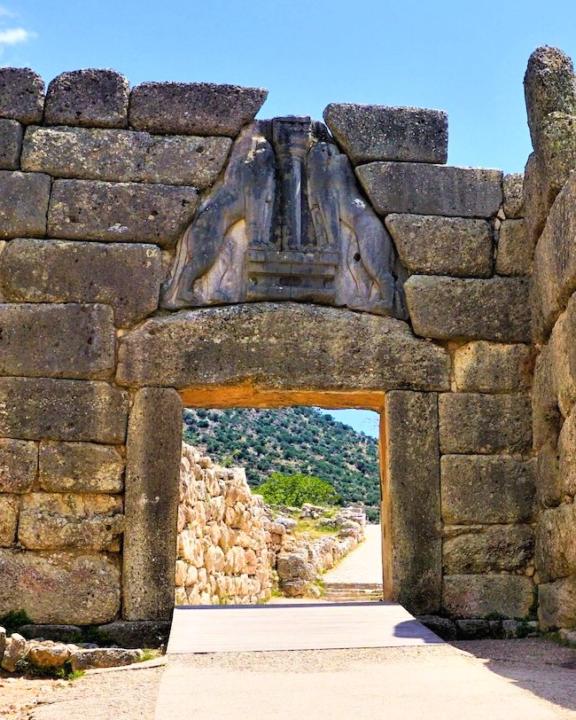
Sure, the Odyssey and Iliad are fiction, but they aren’t entirely fictional. Archaeologists have been surprised to find out how much of Homer’s epics can be traced to real life Bronze Age heroes, battles, and adventures. Go behind the scenes and read about the archaeology of the unexpected world of the Odyssey in our latest cover story. https://archaeology.org/issues/may-june-2026/collection/exploring-the-age-of-homer/the-unexpected-world-of-the-odyssey/ (📸 Wikimedia Commons; Luisa Ricciarini / Bridgeman Images; a_medvedkov/Adobe Stock; Manuel Cohen/Art Resource, NY)
1 like • Jun 26
The Odyssey ⚡
1-10 of 29

@salih-abdur-rasheed-7827
I am committed to learning, integrating, and applying what I study with discipline and humility. I show up daily to do the work and evolve.
Active 12h ago
Joined Jul 31, 2025