Activity
Mon
Wed
Fri
Sun
Apr
May
Jun
Jul
Aug
Sep
Oct
Nov
Dec
Jan
Feb
What is this?
Less
More
Owned by Ray
This is a place where we will discuss all things mushroom.
Memberships
AI Creator Monetization Lab
1.2k members • Free
Mobile Home Investing 101
581 members • Free
Southwest Mushrooms
148 members • $39/month
Detail Wizard Free
1.5k members • Free
Skoolers
190.4k members • Free
AI Creator Bootcamp
2.6k members • $9/month
9 contributions to Southwest Mushrooms

2 likes • 9d
looks like it worked
Jan 10 •
Your project?
What are you planning to grow? How big (or small) are your mushroom growing plans?
0 likes • Jan 21
@Timothy Green Do you have a big market for it? How long have you been trying and what have been your results so far?
0 likes • 13d
@Carolina Gutierrez Where are you growing? What’s the scale you are reaching for ?

17d •
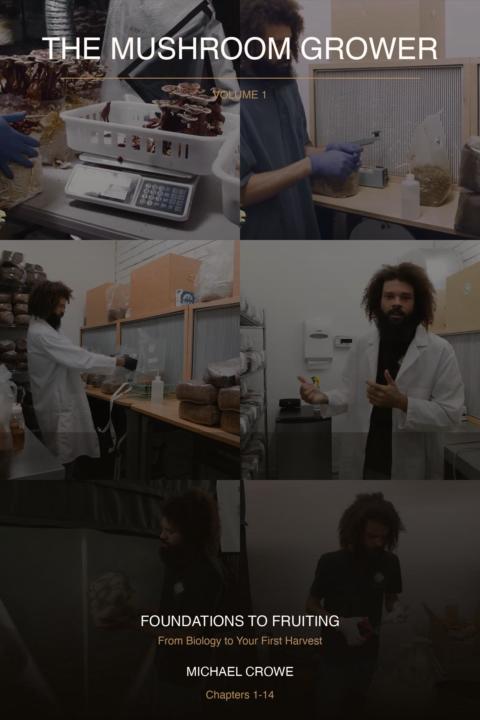
The Mushroom Grower
A Marriage Between Science and Art Nearly 20 years of cultivation expertise. From bedroom hobby to the largest mushroom farm in the state. Every protocol, every technique, every hard-won lesson. https://southwestmushrooms.com/pages/the-mushroom-grower
1 like • 17d
Michael is the rare kind of genius that brings the work of the mind into the meat of the machines. This work is a fruit of a lot of intelligence made into protocols. I hope people realize the edge it will give them in developing their mushroom ventures.
18d •
H²O² Hydrogen Peroxide use for Substrate
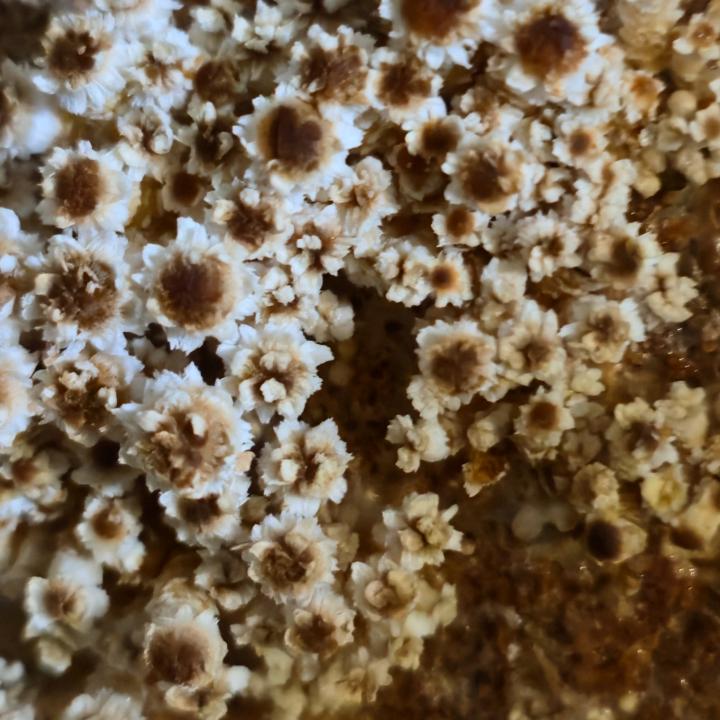
Hydrogen peroxide (H₂O₂) can be useful in mushroom cultivation — but only in very specific, controlled applications. It is not a general-purpose sterilizer for colonized substrate. Used correctly, it can reduce contamination pressure and improve workflow hygiene. Below is a structured breakdown from a substrate and cultivation systems perspective. 1️⃣ How H₂O₂ Works in Mycology Hydrogen peroxide breaks down into: H₂O₂ → H₂O + O₂ (water + oxygen) It kills or damages: - Bacteria - Many mold spores - Yeasts However: - Actively growing mushroom mycelium produces catalase, which breaks down peroxide. - Spores do NOT have strong catalase protection → vulnerable. - Dormant contaminants are more sensitive than established mycelium. This is why timing matters. 2️⃣ Practical Uses in Cultivation A) Surface & Equipment Sanitation Best use case. 3% H₂O₂ (standard pharmacy solution) can be used to: - Wipe tools - Clean work surfaces - Treat gloves during sterile work - Mist inside still air boxes ✔ Leaves no residue✔ Breaks down naturally✔ Mild compared to bleach B) Spore Germination Work (Agar Use) Low concentrations (0.1–0.3%) can be added to agar media to: - Suppress bacterial contamination - Allow mushroom spores to germinate - Improve success rate when working non-sterile ⚠️ Only useful at inoculation stage — once contaminants establish, peroxide won’t fix it. C) Soaking Fresh Substrates (Limited Use) Sometimes used in: - Straw pasteurization assistance - Short soak treatments to reduce surface mold spores Typical approach: - 0.1–0.3% final concentration - 30–60 minute exposure However: 🚫 It does NOT replace proper pasteurization🚫 It does NOT penetrate dense substrates🚫 It breaks down quickly in organic matter D) Treating Casing Layers Very dilute solution (0.1–0.2%) may: - Reduce surface mold on casing - Lower bacterial blotch risk But: - Overuse damages hyphae tips - Repeated application reduces pinning potential
1 like • 17d
Rush Wayne wrote a little book on the subject. Do you have a link for it? How long have you been working with it ?
1 like • 18d
@Elijah Woods That’s a very special tool. Groundbreaking work.
1-9 of 9

Active 10h ago
Joined Jan 6, 2026
Powered by