Activity
Mon
Wed
Fri
Sun
Nov
Dec
Jan
Feb
Mar
Apr
May
Jun
Jul
Aug
Sep
Oct
What is this?
Less
More
Japanese Language Learners
445
Free
8 contributions to Japanese Language Learners

Apr 7 •
Your Favourite Word - #JapaneseTopicTuesday
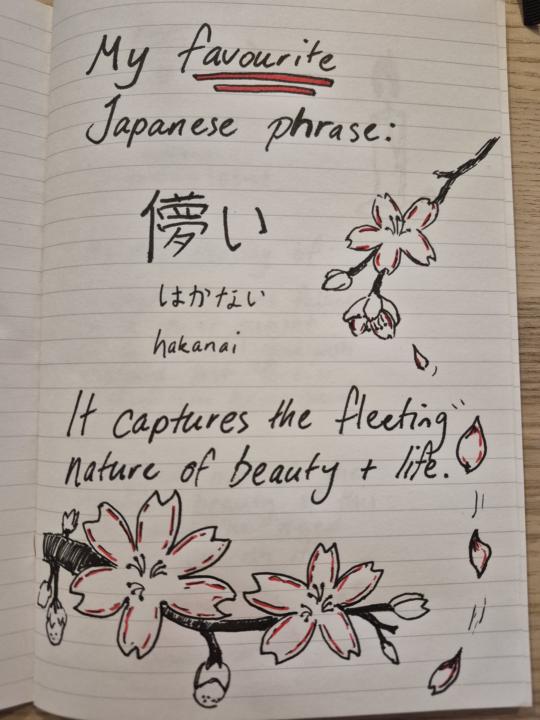
Konnichiwa, What's your favourite Japanese word or saying? Mine is 儚い - hakanai. Hakanai means evanescent, fleeting, ephemeral. It suggests the passing nature of moments, beauty and life. The delicate cherry blossoms blooming and shortly falling are hakanai. The crimson sky and the setting sun moments before night falls are hakanai. Each day spent with loved ones are hakanai. We must appreciate the beauty of these experiences that will come and go and cherish them all the more for it. The special things in life are hakanai and that's why it is my favourite Japanese word. What is your favourite Japanese word or saying? Arigatou, Joe Sensei.

5 likes • Apr 7
Aishiteru because I love my husband and will say it to him in 100 languages if I could
Mar 9 •
🍚 Hitsumabushi vs 🍜 Zaru Soba
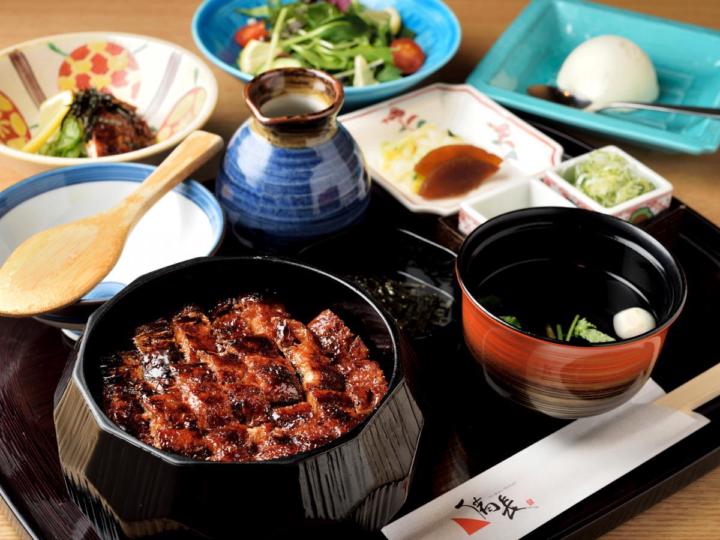
Yesterday’s winner was… 天ぷら (Tempura)! 🍤🔥 Crispy perfection advances to the Final Four! Now we have a battle of regional specialties… 🔥 Japanese Food Tournament — Round 3 (Final 8) 🔥 🍚 Hitsumabushi vs 🍜 Zaru Soba Nagoya’s layered eel masterpiece versus refreshing noodle simplicity. Only one moves closer to the crown. 🍚 Hitsumabushi (ひつまぶし) A famous specialty from Nagoya, hitsumabushi features grilled unagi (eel) over rice — but the magic is in how you eat it. First, enjoy the eel and rice as-is. Second, add toppings like green onion and wasabi. Third, pour broth over the dish to create a comforting ochazuke-style finish. Why it’s dangerous this round: Rich, smoky grilled eel flavour A multi-step dining experience Strong regional pride A meal that feels special and memorable This is elegance with depth. 🍜 Zaru Soba (ざるそば) Cool, clean and refreshing, zaru soba highlights the natural flavour of buckwheat noodles. Served chilled on a bamboo tray and dipped in a savoury soy-based sauce, it’s a perfect example of Japanese culinary minimalism. Why it’s a serious contender: Light, refreshing flavours Elegant simplicity Perfect summer dish A timeless classic This is restraint and balance on a plate. 🗳️ Time to Vote! Which one reaches the Final Four? The rich Nagoya experience of hitsumabushi? Or the cool elegance of zaru soba? Vote now and defend your favourite! 🍚🍜 The championship picture is starting to form…
2 likes • Mar 9
Hitsumabushi. I love the taste and texture of eel
Feb 27 •
🥢 Shabu-shabu vs 🍤 Tempura Round 2!
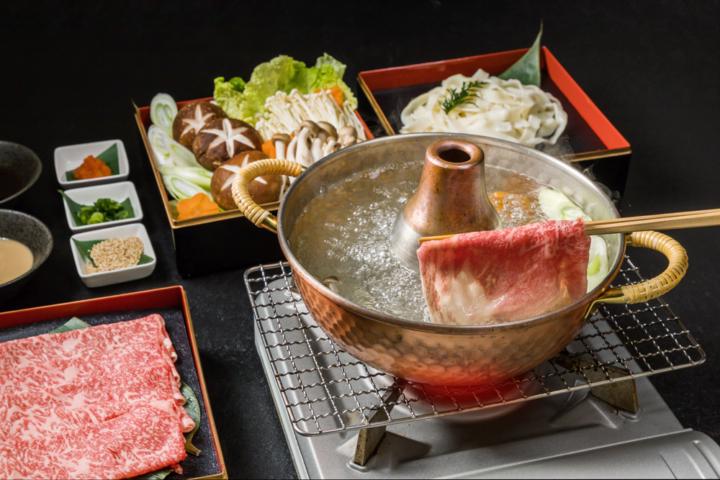
Yesterday’s winner was… たこ焼き (Takoyaki)! 🐙🔥 Osaka street-food energy rolls into Round 2! Now the competition tightens… 🔥 Japanese Food Tournament — Round 2 Matchup 🔥 🥢 Shabu-shabu vs 🍤 Tempura Interactive elegance versus crispy perfection. Only one moves on to the next stage. 🥢 Shabu-shabu (しゃぶしゃぶ) The name comes from the “swish-swish” sound of thin slices of meat being gently cooked in hot broth. Light, refined and social, shabu-shabu is all about fresh ingredients — beef or pork, vegetables, tofu — dipped quickly and enjoyed with ponzu or sesame sauce. Why it’s in this round: Communal, interactive dining Clean, delicate flavours Balanced and refined A full experience, not just a dish This is elegant comfort. 🍤 Tempura (天ぷら) Golden, airy, and impossibly crisp. Tempura highlights seafood and vegetables with a light batter that enhances rather than overwhelms. From prawns to sweet potato to pumpkin, it’s simple — but technically precise. Why it’s a serious contender: Crispy yet light texture Universally loved Showcases ingredient quality Feels both traditional and celebratory This is craftsmanship you can taste. 🗳️ Time to Vote! Which one advances? The refined hot-pot experience of shabu-shabu? Or the golden crunch mastery of tempura? Vote now and defend your favourite! 🥢🍤 Round 2 just got serious.
2 likes • Feb 27
Tempura! I have noticed that alot of places make it differently as well. Some will have Panko and some will just be a smooth outer layer that gives a nice crisp
Feb 27 •
🇯🇵✨ Japan Fact Friday
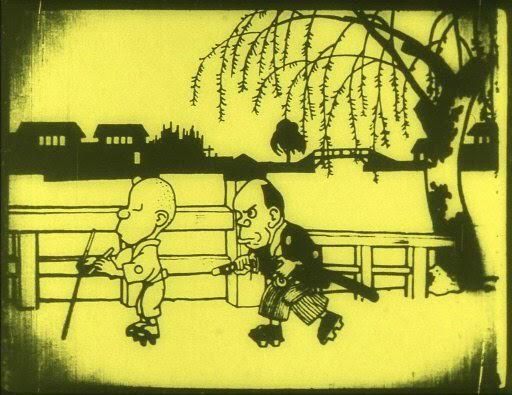
This week’s fact is about something that has shaped global pop culture. 🎬 Japan Fact Friday — The Origin of Anime Some people think anime began in the 1980s or 1990s. But Japanese animation actually goes back over 100 years. 🎞 The Very Beginning (1910s) Some of the earliest Japanese animated films were made around 1917. One surviving example is Namakura Gatana (“The Dull Sword”), a short silent comedy about a foolish samurai. These early animations were simple, hand-drawn experiments inspired by Western animation — but already had uniquely Japanese humour and storytelling. 🌟 The Turning Point — Osamu Tezuka The true revolution came in the 1960s with Osamu Tezuka. Often called the “God of Manga,” Tezuka created: Astro Boy (鉄腕アトム) in 1963. This was Japan’s first major TV anime series — and it introduced the large expressive eyes and cinematic style that became iconic. To reduce costs, Tezuka pioneered “limited animation” techniques — fewer frames, but stronger storytelling and dramatic angles. That production style shaped anime forever. 🌏 From Japan to the World From the 1980s onward, anime spread globally through: • science fiction • fantasy • cyberpunk • emotional coming-of-age stories Unlike many Western cartoons, anime often explored: • serious themes • moral ambiguity • complex characters Today, anime is a multi-billion dollar global industry — but it started with short black-and-white experiments and one visionary storyteller. 🧠 Why This Matters Anime reflects something deeply Japanese: • blending tradition and innovation • stylised emotion • storytelling over spectacle And like many Japanese cultural exports, it evolved slowly — then suddenly took over the world. 🫵 Your Turn What was the first anime you ever watched? And do you prefer: 🎌 classic anime ⚔️ action 🌸 slice of life 🚀 sci-fi Answer in English or Japanese 😊 See you next Friday for another Japan Fact Friday 🇯🇵✨
3 likes • Feb 27
My first anime was pokemon! My brother and I would watch it everywhere. My username on some platforms is PikachuFan because he was my favorite character!
Feb 24 •
❓🇯🇵 Japanese Language Q&A Post
Do you have a Japanese question that’s been stuck in your head? Grammar? Particles? Kanji? Polite vs casual? Something you saw in anime? Something you read in a textbook? Ask it here 👇 No question is too simple. No question is too basic. If you’re confused, someone else probably is too. I’m happy to explain: grammar patterns verb forms particles like は / が / に kanji meanings natural phrasing or why something sounds strange If you’re not sure how to ask your question in English, you can: paste the Japanese sentence share a screenshot Sometimes the answe is: it just is. But always asking and getting clarification, helps us develop our Japanese. Let’s build understanding together. Drop your question below 👇

2 likes • Feb 26
Im wanting to learn to type but I don't even know how
1-8 of 8

@maria-eyad-4165
Hi, my name is Maria. Im 19 years old and married! Im excited to learn Japanese if you ever want to practice together please feel free to message!
Active 70d ago
Joined Feb 25, 2026
Powered by