Activity
Mon
Wed
Fri
Sun
Sep
Oct
Nov
Dec
Jan
Feb
Mar
Apr
May
Jun
Jul
Aug
What is this?
Less
More
Owned by Lisa
Tired of boring dental groups? Get strategies to boost production, attract patients, and build the practice you want! Marketing. Production. Results.
Memberships
AI Video Bootcamp
26.2k members • $9/month
Funnel Builder Challenge
68 members • Free
Bizlaunch.io
763 members • Free
AI SEO | Rank & Rent Lead Gen
4.7k members • Free
Social Media College
1.6k members • Free
Marketing Secrets AI Users
137 members • Free
Skool Gameplan
2.2k members • Free
VIP TICKET HOLDERS
40 members • Free
The AI Advantage
127.4k members • Free
16 contributions to UpHex Ads Lab

May 15 •
Build Your Agency In 2 Days!
Agency Launch LIVE is a back baby!!! This 2-day live intensive is a game changer! In a single weekend we find your Opportunity Gap, build an offer your market will pay $997/month for, then build your entire agency around it. Simple. Profitable. Interested? Get on the waitlist! https://www.myagencymvp.com/events


0 likes • Jun 23
Is there any discount if we've been to one of the previous events?
May 28 •
Shoutout To Bradley
I'd like to take a moment to acknowledge Bradley on the UpHex team. He has over delivered for me all week with an issue I have been having. I really appreciate it. Thank you for helping me serve my clients at a higher level!

May 27 •
Crayons weren’t made for kids
Most people think crayons were invented for kids. They weren't. The original crayons were industrial marking tools. Factories used them. Farmers used them. They were built to mark crates, barrels, and machinery. And the company behind them? Struggling. The market was limited. Margins were thin. Growth was flat. They had a useful product that nobody was getting excited about. Then they noticed something strange. Teachers had quietly started using the wax sticks with their students. Pencils were expensive. Crayons were cheaper, brighter, and easier for small hands to hold. That observation changed everything. The company didn't invent a new product. They repositioned the one they already had. Suddenly crayons weren't industrial tools. They became tools for creativity. That shift created Crayola. One of the most recognizable brands in the world. Built on a product that originally couldn't even keep its lights on. --- Dan Kennedy has a line for this: "A starving crowd beats a brilliant product every time." The factories weren't starving. They had marking tools that worked. Crayons were a marginal improvement at best. Teachers? They were starving. The pencil problem was daily, painful, and unsolved. When crayons showed up, the teachers didn't need convincing. The product didn't change. The crowd did. --- This is what I see happen with agency owners all the time. They build a service. They believe in it. They've spent years dialing it in. They can answer every technical question about how it works. And somewhere in that obsession with the product, they go market blind. They stop being able to see how the market would actually want to receive what they have. They keep describing the service instead of the outcome. They keep selling the shovel instead of the hole that gets dug. So they package it the same way everyone else does. Ads. Funnels. AI. Automation. Lead generation. The market sees the package and treats it like a commodity. Then one agency comes along and frames the exact same capability differently.
1 like • May 27
Excellent post, Sam. This is such a strong reminder that sometimes the offer isn’t broken, the framing is. I loved the Crayola example because it illustrates how powerful repositioning can be without changing the underlying product at all. Just seeing who actually needs it, and how they naturally want to use it, can change everything. I see this every day in my own work. Especially in dentistry, the technical service often stays exactly the same, but when the messaging shifts from features to benefits or outcomes, the response changes dramatically. Really thoughtful piece. Appreciate you sharing this one. 🙂
Mar 17 •
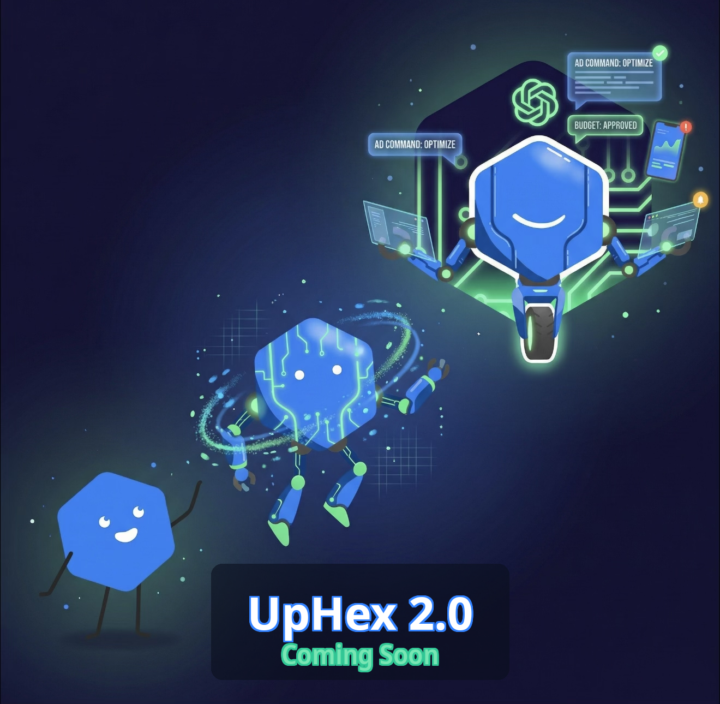
UpHex 2.0
☝️What if you could run Facebook and Google ads… without learning how? Right now, your prospect believes one of two things: 1. “I need to hire an agency” 2. “I need to figure this out myself” Both feel expensive. Both feel overwhelming. Now imagine telling them: You don’t need an agency. You don’t need to learn ads. You don’t need another course. Because now… You can just text “someone” who runs your ads for you. Not a dashboard. Not another complicated tool. An AI ad operator that: • launches proven ads (not guesses) • answers your questions instantly • adjusts things when needed • speaks to you like a real person You literally text: “Turn on ads for knee pain patients this week” …and it handles the rest. No second-guessing No “did I set this up right?” No wasting money figuring it out Just: 👉 proven ads 👉 running correctly 👉 with someone (something) backing you up This isn’t “learning ads” This is replacing the need to. UpHex 2.0 is coming soon. Sam Early beta testers… Comment “Agentic Ads”
0 likes • Mar 31
Agentic Ads

0 likes • Mar 31
Love it.
1 like • Mar 31
The Gary B and Sam C HOOK!
1-10 of 16

@lisa-weber-2776
I'm a dental practice management coach and the founder of Amplified Dental, a marketing agency in the dental vertical. Looking forward to connecting.
Active 4d ago
Joined Oct 7, 2025
Powered by