Activity
Mon
Wed
Fri
Sun
Nov
Dec
Jan
Feb
Mar
Apr
May
Jun
Jul
Aug
Sep
Oct
What is this?
Less
More
STR Like The Best (PRIVATE)
1.8k
Free
Dispatcher University (Free)
24.9k
Free
Dispatch Trucks Academy
1.8k
$97/m
Martini Credit Blueprint
1.3k
$9
44 contributions to Dispatcher University (Free)

Nov '24 •
Still Not Giving Up! 🔥💪🏾
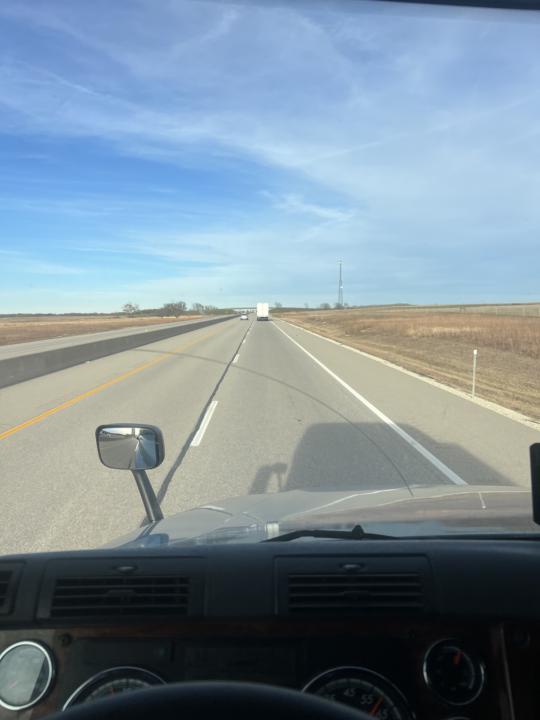
Besides breaking down in Iowa, missed Thanksgiving Day with my family, catching Greyhound Bus with no sleep for 24 hours, trying to get my truck towed to Chicago to get repaired. Made it home to Philadelphia, PA for holiday weekend at least. Still not giving up! 🔥💪🏾
Nov '24 •
Important On Why To Protect Your Company Name & Logo & How!
When you create a logo for your business or brand, it’s not just a simple design—it’s a key part of your identity. A logo represents your values, your products or services, and helps you stand out in the crowded marketplace. As such, protecting your logo is essential. One of the most effective ways to ensure your logo remains uniquely yours is by registering it for copyright protection. At its core, copyright is a form of protection granted by the law to the creators of original works. These works can include music, books, artwork, and—yes—logos. Copyright gives the creator exclusive rights to use, distribute, and sell their work. For logos, this means you have control over how your logo is used by others. Without this protection, someone else could potentially copy or alter your logo without your permission, which can cause brand confusion, legal issues, and loss of business. The primary reason to register the copyright of your logo is to protect your intellectual property. Here’s why that matters. Once you copyright your logo, you are the legal owner of it. This means no one else can legally use it or create a similar logo for their own business without your permission. This exclusivity helps you build brand recognition and ensures that your logo remains associated only with your business. Without copyright protection, someone else could use a similar logo or even copy yours completely. If your logo is not copyrighted, it could be harder to prove that someone infringed on your intellectual property in a legal dispute. Registering your logo for copyright establishes clear ownership from the start. If another company tries to use your logo or something that closely resembles it, having a registered copyright makes it easier to take legal action. It provides proof that you were the original creator and gives you the right to claim damages in case of infringement. While copyright protects the creative work of your logo, it’s worth noting that registering a trademark is another layer of protection. Trademarks specifically protect the name or symbol used in commerce to identify the source of goods or services. By registering both a copyright and a trademark, you can further safeguard your brand identity.
2 likes • Nov '24
@Owais Gujjar yup, you’re absolutely right about that. Always protect your name and logo…
Nov '24 •
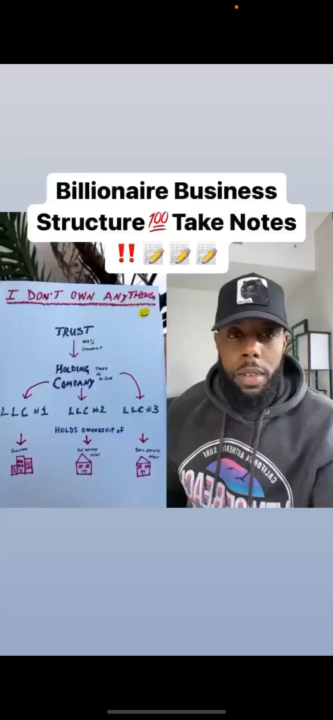
Why Having A LLC & A Trust Is Vital‼️
A trust can help bypass the probate process, ensuring that assets are distributed more quickly and privately after death, without court intervention. A trust can be used to manage assets for minor children until they reach adulthood, ensuring they receive financial support in a controlled manner. Certain types of trusts can shield assets from creditors, offering protection in case of lawsuits or financial trouble. Trusts can help reduce estate taxes by enabling the transfer of wealth in a tax-efficient manner, especially through strategic planning like charitable giving or using tax-exempt vehicles. In the event that the trust creator becomes incapacitated, a trust can provide a clear plan for managing their financial affairs without needing a court-appointed guardian or conservator. A special needs trust can ensure that a person with disabilities continues to receive financial support without jeopardizing their eligibility for government assistance programs. Since trusts do not go through probate, they help keep the distribution of assets private, unlike wills, which become public records. Charitable trusts can be used to direct assets to charity in a way that can also offer tax benefits while fulfilling philanthropic goals. One of the most effective methods, these are legal entities that hold assets for your benefit, offering protection from creditors and lawsuits. Irrevocable trusts, in particular, can shield assets since the grantor no longer owns them. In some states, your primary residence may be protected from creditors under homestead exemption laws. This means that, even if you’re sued, your home may be protected up to a certain value. Adequate insurance coverage is an essential tool for asset protection. This includes liability insurance, umbrella policies, and specialized coverage like malpractice or business liability insurance, which can cover the cost of lawsuits. Assets held in qualified retirement accounts (such as IRAs, 401(k)s, etc.) are often protected from creditors. This protection varies by state but is generally strong, providing a safe haven for retirement savings.
2 likes • Nov '24
@Damon Griffith 🔥💯🙏🏾
0 likes • Nov '24
Yes most definitely 💯 % agree with your statement, correct. 🔥❤️💯
Nov '24 •
Weekly Progress Update!
Name: Lenny Week Number: Week 1 Is Complete! 🎯 1. What Did You Crush This Week? Tell us what tasks you tackled like a boss! Whether it was booking loads, nailing a module, or anything else, let’s hear your wins! - Win 1: Taking In Consistency - Win 2: Understanding The Fundamentals & Foundation - Win 3: My Task Was To Complete Week 1 By Today - Bonus Round (Anything extra you worked on): Gaining More Dispatching Experience 💡 2. Coolest Thing You Learned: What was the most “aha” moment from this week’s lessons? How is it gonna make you a dispatching pro? - Aha Moment 1: The System Funnel - Aha Moment 2: The Attachments You Created - Aha Moment 3: The More Homework I Do The More I Learn The More I Implement & Start Writing Things Down 😅 3. What Made You Hit the Brakes? Got stuck on something? Ran into a bump in the road? Let us know what slowed you down, and how you handled it (or need help handling it!). - Roadblock 1: Work & Rest - Roadblock 2: N/A - Roadblock 3: N/A 📈 4. Show Off Your Stats: Any results you can brag about? Maybe you booked a few loads or made some client calls? Flex your numbers below! - Load Count: I Booked Two Loads This Week - Clients Contacted: None, I’m Still Learning - Best Win This Week: To Move To Week 2 🚀 5. Next Week’s Game Plan: Learn Week 2 What’s on deck for next week? What are your top goals and how are you gonna smash them? - Goal 1: To Get A Better Understanding On What Load Boards You Use & How To Use It To Dominate - Goal 2: To Get Better Understanding On Direct Customers & Companies - Goal 3: Learning More About ADS 💬 6. Questions, Shoutouts, or Fun Facts: Got something to say? Maybe a burning question, a thank you, or just a fun fact to share with the class? Drop it here! - Question 1: I still Can’t Find The Truck Ai In My Email - Shoutout: Shoutout To @Manny Gill & @Gurpreet Gill For Taking The Time To Build This Platform, Thank You & Keep Up The Good Work! - Fun Fact: N/A
2
0
Nov '24 •
What Was Your Worse Downfall That Made You Realize You Could Do Better In Life?
For Example: My Hardest Downfall Was In 2021 When I first Used My Credit To Get Approved For A Half Of Million Dollars To Open Up A Car Rental Business With A Partnership. 6 Months Later My Cousin/ Business Partner Went On The Wrong Side Of The Highway With One Of The Cars That Was Supposed To Be Rented Out & Did A Head On Collision With A Lady/Wife/Mother/Lawyer‼️ My Cousin/ Business Partner Had Killed Himself & Killed A Lawyer! Not Only That Happened, He Cleaned Out The Business Account & It Had $25k In It. Dirty Cops Took Majority Of The Money Cash & Left $4k Cash & Claimed They Detected $4k In His Possession, This Happened While I Was On The Road Delivering To Pottsville, PA Walmart DC. That $4k Went To His Funeral & His Family Claimed He Basically Paid For His Own Funeral Instead Of Counting Me In As Well! Within Those 3 Years I couldn't Purchase Nothing Big Because I Didn’t Want The Lawyer Family & The 2 Companies That Is Still Currently Suing Me Take Or Seize Any Of My Vehicle Or Freeze Any Of My Accounts. I came To A Conclusion That I Might Have To File Bankruptcy & Start Fresh! I’m Currently Still Monitoring A Bankruptcy Lawyer Out Of NJ. So I Can At Least Get Some Accurate Answers & Information So I Can Move On To The Next Step On Building My Business That Involves Trucking & Dispatching! The Whole Point Of This Story Is To Realize Who You’re Doing Business With While Building Your Business From Scratch. You’re Aware Of How Your Business Is Running So You Don’t Receive A Huge Downfall Like Myself… OPE (Other People Experience) Doesn’t Matter What Type Of Business Your Running, Run Your Business To Become Successful & Learn More Tricks In The Business World To Grow Overall With Self Improvement For Yourself & Your Family! Also To Help Solve Other People’s Problems & Leave A Positive Impact Behind Your Service! Comment Below To Answer This Question… (What Was Your Worst Downfall That Made You Realize You Could Do Better In Life?) Click Download & Listen To The Videos. 👇🏾👇🏾👇🏾
2 likes • Nov '24
Thanks everyone, I appreciate your answers, the reason I posted this is to learn from other experiences and if I ever run into a person that match your experiences from the past I would know how to avoid those type of people…
0 likes • Nov '24
@Damon Griffith Thank You 🙏🏾
1-10 of 44

@leonard-blaylock-8974
I been a truck driver for 11 years now. This is my first year of being an actual owner operator and want to grow my company from scratch. Leonard
Active 201d ago
Joined Sep 11, 2024
Wildwood, NJ
Powered by