Activity
Mon
Wed
Fri
Sun
Jun
Jul
Aug
Sep
Oct
Nov
Dec
Jan
Feb
Mar
Apr
What is this?
Less
More
Owned by Kate
A professional space for those working with individuals impacted by abuse to deepen their understanding, improve trauma-informed practice & outcomes
A safe space for women to heal, regulate and build confident self-advocacy
Memberships
Skoolers
193.1k members • Free
8 contributions to Say No Das Professional Hub
15d •
New lesson in the classroom
Afternoon all, I’ve just done an impromptu short video lesson off the back of a TikTok video that came up this morning, as I felt it highlighted something really important. It’s called Trust, Trauma and Disclosure. I’ll share it here as well, but I’ve also added it to the classroom so it’s easy to find and revisit whenever needed. It explores: - why many children learn early that speaking out comes with consequences - how fear and belonging can keep children silent - why trust is essential in safeguarding - the long-term impact when professionals break that trust This is such an important area for anyone working with children, trauma, or safeguarding. I hope it’s helpful. 💜 And if you didn't spot already i added another lesson the other day too.
3 likes • 14d
@Abbey Risbey exactly and this is what every professional needs to think about. Securing safety needs to be a join effort, not another form of control
21d •
Welcome To All Our New Members
Welcome to all our new members 💜 As more professionals join our community, you’ll start to see daily posts. These are designed as simple prompts to support you personally, as well as in your professional role. All lessons will be delivered live, with links shared in the calendar or uploaded into the classroom section. If there are specific topics you’d like me to cover, please feel free to send me a private message. I’ll also occasionally ask for suggestions within the group when I’m planning upcoming content. For now, we’re going to return to a core exercise you’ll see regularly: Gratitude. You’ll notice a theme in my approach to regulation and resilience-building — pattern interrupt. One of the simplest and most effective ways to do this is to pause and think of three things you are grateful for. Then sit with those for 5 minutes, focusing on your breath. You can also use the resource in the Regulation Toolkit within the classroom — a guided 5-minute reset to support controlled, regulated breathing. Sometimes, simply pressing pause on the negative loop running in the background can make a significant difference. And it’s something you can do almost anywhere. This is also a powerful tool to use with individuals you are supporting who may be visibly dysregulated. Doing this with them can help build a sense of safety and trust within their nervous system. Because it’s not just the conscious mind we’re supporting — it’s the unconscious too. And this is where co-regulation, within professional roles, can support both your nervous system and the person in front of you.

2 likes • 16d
@Abbey Risbey, I'll cover that in more detail in an extended version of When Risk Hides in Plain Sight. Once we have more people in here, I will schedule a live run of it. And if anyone wants to book it for their teams, they can, but i will add a clip to the classroom from the social work event. I'll add it to the classroom also 💜🙂
20d •
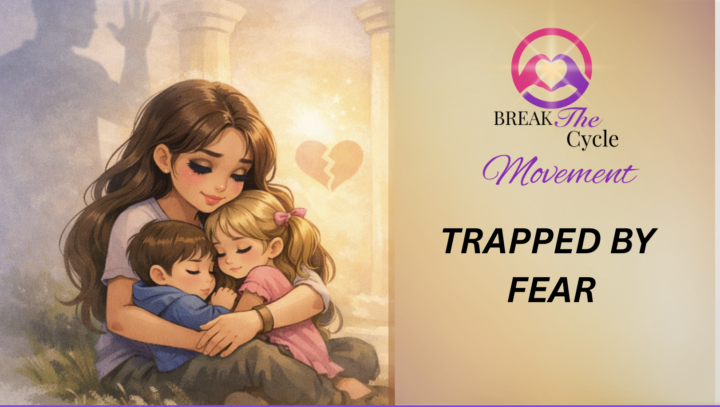
New lesson inside the classroom – Trapped by Fear
Afternoon all — I hope you’ve had a good week. Inside the Knowledge Saves Lives folder in the classroom, you’ll now find a 30-minute pre-recorded workshop exploring how fear and isolation operate within coercive control. This session breaks down how fear is created, how it leads to self-isolation, and why this is often misunderstood in both personal and professional settings. Have a watch when you can, and if anything resonates or raises questions, feel free to reach out.💜🙂
2
0
Mar 29 •
Welcome to all our new members 💜 We’re so glad you’re here. Here’s a simple exercise to help you start the week feeling grounded.
Happy Memory Activation Purpose: Emotional regulation + accessing a safe, calm state Exercise: Take a moment to recall a happy memory. Gently explore it: - What did you feel? - Where did you feel that in your body? - Who was with you? - Where were you? Then: Spend 5 minutes revisiting that memory. Slow your breathing right down — calm, steady, controlled. As you breathe, press play on that memory in your mind: - Watch it like a scene - Notice the details - Let yourself feel it again (You can do this with your eyes open or closed, whatever feels easier. Looking at photos from that time can help bring it to life.) To enhance the experience further, you can play regulation music or music you associate with that feeling, helping your body reconnect with that state more deeply. You can return to this at any point in your day — even for 60 seconds. It’s a simple way to interrupt negative thought patterns and gently bring your body back to a place of safety. 💜

1 like • 28d
@Georgia Louise Aww, lovely 💜
Mar 26 •
Thursdays Exercise: A Gentler Approach to Affirmations
Sometimes affirmations don’t land because the brain knows they don’t feel true. Saying “I am happy” when you’re not can create resistance. But shifting to “What if I could feel happier?” opens the door instead of forcing it. This approach helps your brain feel safe enough to consider change, without feeling unrealistic or overwhelming. Start here: “What if I could…” Then gently build to: “I can…” → “I will…” Try this: Take a current thought:“I’m not good enough”“I can’t handle this” Reframe it: ➡️ What if I’m more capable than I think?➡️ What if I can handle this? Then ask: How would I show up if that were true? And if you have achieved things in the past that you never thought you could, remind your brain of this! This will open your brain up to the possibility of believing something is possible. 💜Here’s mine:💜 Old belief:“I will never be successful.”(This comes from a childhood wound.) Reframe:What if I can be successful… because I’ve already done it before when nobody thought I could?What if I can do it again?And look how far I’ve already come from where I was. Now something shifts. My brain starts to open to the possibility. So the next step becomes:➡️ I can be successful again And my brain is actually on board with that. The “I will” part?That still needs a bit more evidence, and that’s okay.
0 likes • Mar 28
@Georgia Louise amazing xx
0 likes • Mar 28
@Abbey Risbey amazing xx
1-8 of 8
@kate-beesley-1116
Survivor and Founding Director of Say No DAS CIC. Trauma-informed advocate here to support safety and clarity.
Active 14h ago
Joined Mar 19, 2026