Activity
Mon
Wed
Fri
Sun
Nov
Dec
Jan
Feb
Mar
Apr
May
Jun
Jul
Aug
Sep
Oct
What is this?
Less
More
Owned by Karin
You’re not on Roku/FireTV... yet. Find the path from buried videos to real streaming visibility. For Youtubers, Entertainers, Business, Non-Profit
Upgrade your hodgepodge tech into flourishing systems supporting your biz growth in a warm, ask anything space with a trusted guide and community.
Michelle McMillionairess Skool
83
5.0
$21/m
BYOB: Bring Your Own Business
1.5k
5.0
$99/y
Skool Reset & Rebuild
71
5.0
Free
AI SEO Content & Traffic
61
Free
App Builders Club
10
Free
Mini-Project Magic™
70
$5,555
The YouTube Blueprint
2.8k
Free
8 contributions to 🎬 Memoir Skool 📸

🔥
7d •
🎉 WE HIT LEVEL 7! 🎉
Oh my goodness, Memoir Skool—we leveled up to LEVEL 7! 🔥📖❤️ I am SO excited, and I want to thank every single one of you for being here, contributing, sharing your stories, commenting, encouraging one another, and helping this community grow. This isn't something I did by myself—WE did this together! ❤️ Every conversation, every comment, and every person who shows up adds something special to this community. Thank you for believing in Memoir Skool and for being part of this journey with me. LEVEL 7!!! 🎉🔥📖 I can't wait to see where we go from here! ❤️


🔥
3 likes • 7d
Congratulations and thank you and this is a good reminder that I want to come back here on my personal time and do some more reading because your story is so fascinating
🔥
12d •
📚 I CREATED MY FIRST CHILDREN’S BOOK! ❤️
@Krista Brea I am SO excited to finally share this! I created my very first children’s book with Krista Brea during the beta test for the incredible Children’s Book Studio app she created. 🎉📖 I honestly never dreamed I could create a children’s book—let alone create one in just a couple of hours! 😍 Krista made the process so easy to follow. I brought my idea to life, created the pages and illustrations, and downloaded my finished book as a PDF. Seeing it completed was such an exciting moment! This is exactly why I love trying new things. Sometimes we don’t know what we’re capable of creating until someone gives us the right tools and we simply give it a try. ❤️ You can learn more about what Krista is creating inside her KDP Publishing community. I would LOVE for you to take a look at my first children’s book and let me know what you think! 📚✨ I still can’t believe I made this! 😂❤️
🔥
3 likes • 12d
@Cristal Vancarson so amazing! Congratulations!!
🔥
Jun 21 •
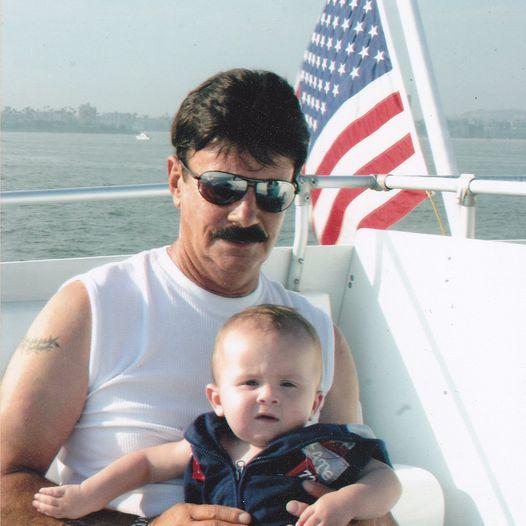
💙 Father's Day Stories: The Memories That Stay With Us
Happy Father's Day to all the dads, grandfathers, father figures, and to those remembering someone they love today. 💙 As memoir writers, we know that sometimes the smallest moments become the stories we carry forever—a funny joke, a lesson learned, a road trip, a hug, or even a conversation we'll never forget. Today feels like the perfect day to pause and remember the people and moments that shaped us. 📖 Do you have a Father's Day story to share from today or from your past? I'd love to hear it. Drop your memory in the comments. Sometimes one story can spark another and remind us why preserving our memories matters so much. 💙 This is my late husband and my son, 20 years ago!
🔥
1 like • Jun 22
@Dr. Robert Gault thank you! And One of the motivations for collecting people is to then connect them with each other. 💕💕 looking forward to hearing about You are a collections and the impact that it's having on your life and those around you
🔥
1 like • Jun 22
@Dr. Robert Gault thank you for sharing! Yes, its important to go deep with a few! And when collecting people, important to have a way to search and take notes, like a crm, since God created us with different capacities for instant recall.
🔥
May 23 •
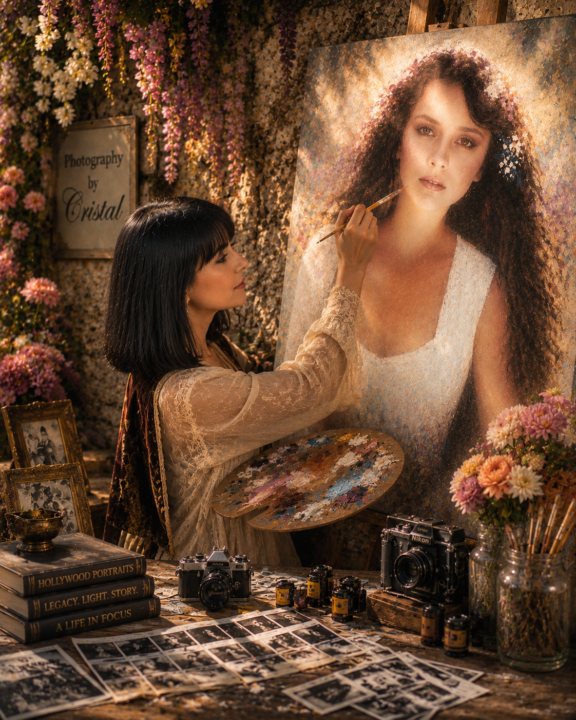
She Didn't Know What Was Coming.
She just knew she was meant for something bigger than the room she was standing in. This is me — painting her. My younger self. The girl who stood in the Malibu sun and launched an international modeling career from a single photograph. She became my passport to Tokyo. She became my reason. She became the fire behind everything I've built. And now I sit across from her with 30 years of Hollywood behind me — brushes, cameras, film rolls, a lifetime of images scattered across the table — and I paint her the only way I know how. With light. With intention. With love. I didn't become a photographer by accident. I became one because I know what one great image can do to a life. It can open every door. Now I spend my days doing for others what Ken Miyagishima did for me in Malibu all those years ago — capturing the version of you that YOU haven't seen yet. From your home. In 30 minutes. Anywhere in the world. My younger self lit the path. My future self is walking it — toward $10,000 months, global clients, and a legacy built one headshot at a time. What would YOU say to your younger self today? 👇 Tell me below. I genuinely want to know. — Cristal Photography. Transformation. Confidence. #Through a Mothers Len of Protection
🔥
1 like • May 23
Beautiful! And Beautiful story too. Did one photo really launch a career??!!
🔥
1 like • Jun 1
@Cristal Vancarson wow!!! That's amazing. Ty for sharing
🔥
May 23 •
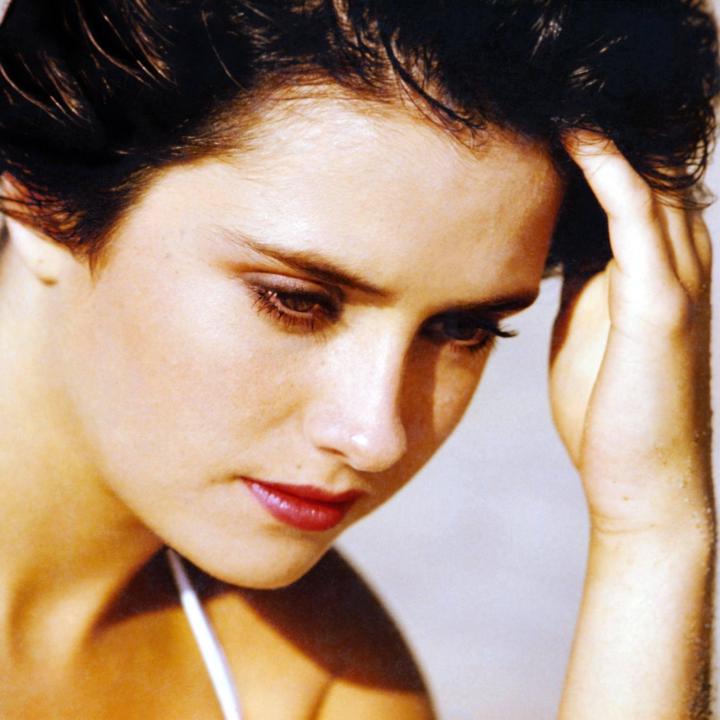
This is the picture that launched my international career. 📸
It was taken in Malibu, on the grassy knolls of Pepperdine University, by a Japanese photographer named Ken Miyagishima. I submitted this one image to agencies in Japan. One image. And it became the reason I was offered my very first modeling contract. I was just a young girl in a dream, standing in the Malibu sun — not knowing that this single photograph would change the entire course of my life. Ken captured something in me that I didn't yet know how to express. But Japan saw it. This one image became my passport to Tokyo. 🌸✈️ And it's why I believe — with every fiber of my being — that one great photograph can change everything. Your career. Your confidence. Your life. I've spent 30 years on the other side of that camera now. Giving people their moment. Their image. Their passport to whatever door they're trying to open. What's the one photo that changed YOUR life? 👇 Tell me below — I want to know your story. — Cristal #KURICHAN- AMERICAN MODEL IN JAPAN
🔥
1 like • May 23
Amazing the impact of one photo!
🔥
0 likes • May 23
@Cristal Vancarson So true!!!
1-8 of 8

🔥
@karin-crawford-7258
Video marketing on Streaming TV 📺✨Transform your Tech in The Tech Garden🍃 Boosting Experts 🚀 Master Connector ↔️WV grown 🌄 AZ living 🌵
Active 3h ago
Joined Apr 12, 2026
Scottsdale, AZ