Activity
Mon
Wed
Fri
Sun
Aug
Sep
Oct
Nov
Dec
Jan
Feb
Mar
Apr
May
Jun
Jul
What is this?
Less
More

Owned by Karen

A safe place for native English and ESL speakers to increase their income and gain more opportunities by improving their communication skills.

Memberships

Synthesizer Scaling

283 members • $1,950/month

Synthesizer: Free Skool Growth

44.7k members • Free

Fucketlist Life

6.2k members • Free

Laughter Clinic

54 members • Free

Undependent Women's Community

121 members • Free

AI for Everyday People

7 members • Free

Wealth Done Wright

21 members • $47/month

22 contributions to Dementia Caregiver Collective

When Good Enough Becomes Excellent Care
I've been thinking about something I hear from caregivers almost every week. Depending on who's saying it, it may have a different flavor, but it comes down to: "I wish I had more patience, I just lose my mind." "I am so frustrated, but at the same time I feel bad saying that." "I should have handled that better." Sometimes it's about forgetting an appointment. Sometimes it follows the 10th rendition of the same question. Sometimes it's because dinner ended up being a mish mash of things thrown together instead of something thought out and nutritious. Sometimes it's simply because they were tired. What strikes me isn't that these things happened. It's how quickly caregivers conclude they've somehow fallen short. As if excellent caregiving means never having an off day. Never feeling frustrated. Never taking a shortcut. Never wishing things were easier. I don't believe that's true. In fact, I wonder if one of the greatest burdens caregivers carry isn't dementia itself. It's the belief that they have to do it perfectly. I'd like to share that Good Enough, is the new Perfectly Done! Cut your self some slack, this is a long marathon, and you need to stop at the water and refueling stations for yourself.
1 like • 2d
Yes! Makes sense.
Decision Fatigue: The Hidden Cost of Dementia Caregiving
Most people think dementia caregiving is exhausting because of the physical work. The appointments, the medications, the interrupted sleep, the lifting, the constant supervision. Those things certainly contribute. But after spending decades working alongside families, I've come to believe something else quietly drains caregivers every single day. It's called decision fatigue. A Thousand Small Decisions Before breakfast, you've probably already made more decisions than most people make all morning. Should I wake them now or let them sleep? Should I correct them when they say something that isn't true? Should I encourage a shower or wait until later? Should I call the doctor? Should I take away the car keys? Should I insist they use the walker? Should I tell the family how much I'm struggling? Should I ask for help? Most of these decisions don't have obvious right answers. And that's what makes them so exhausting. The Weight Nobody Sees Caregivers often tell us, "I'm just so tired." Sometimes it isn't because they've been doing too much physically. Sometimes it's because they've been carrying the mental weight of making hundreds of decisions while constantly wondering: "Am I doing the right thing?" That uncertainty is exhausting. It can lead to second-guessing, guilt, overthinking and sleepless nights. Not because you're doing something wrong, but because you're carrying responsibility that most people never see. We Were Never Meant to Know Everything One of the greatest misconceptions about caregiving is the belief that good caregivers always know exactly what to do, they don't, they're playing it by ear on a daily basis. They're paying attention to the little things that make a difference. Experienced caregivers don't have perfect answers, they've simply learned how to think through difficult situations. One of the most important lessons is that they've learned to pause before reacting noticing what changed. Or they ask better questions and make thoughtful decisions with the information they have today, in this moment.
1 like • 5d
Your posts and the services you offer are such a blessing. I am not currently in a caregiving role. I can only imagine the gift you are to a caregiver. Thank you.
Why Every Family Needs a Care Plan (Before the Crisis)
One of the biggest myths and the cause for the most debates in dementia caregiving is that families will "figure it out" when the time comes. Unfortunately, that's usually exactly when clear thinking becomes the hardest. Circumstances like a hospitalization, a fall, a wandering episode, a medication mistake, an exhausted spouse who simply can't do it anymore. These moments don't just create family stress, they expose the lack of a plan, and I want to assure you, it's not for lack of trying or wanting to have a plan, but the best time to build a care plan isn't during a crisis it's before one arrives. Dementia Is a Journey of Constant Change Unlike many illnesses, dementia is an everchanging evolution for your loved one. Abilities change, needs change, family roles change. What worked last month, or last week, or even this morning may no longer work today. That's why a care plan isn't a document you create once and forget. It's a living ROADMAP that grows alongside your loved one's changing needs. The goal isn't to predict every challenge. It's to reduce chaos when those challenges inevitably appear. A Care Plan Is More Than Medical Information When people hear "care plan," they often picture a folder full of medications, doctor's names, and insurance papers. Those things matter. But a truly helpful family care plan goes much deeper. It answers questions like: - Who is the primary decision-maker? - Who can step in if the primary caregiver becomes ill? - What routines help your loved one feel calm? - What situations tend to create anxiety or confusion? - How will family members communicate updates? - What financial and legal documents are already in place? - When will we know it's time to ask for additional help? The more these conversations happen before they're urgently needed, the easier difficult decisions become. Care Plans Reduce Family Conflict Many family disagreements don't happen because people don't care. They happen because nobody ever discussed expectations.
4 likes • 11d
I am in the planning process with my brother now. Not going well. But, better now then when my mom is in crisis.
What Caregivers Grieve That Nobody Sees
When people think about grief in dementia caregiving, they usually think about the person living with dementia. Quite naturally they think about lost memories, lost abilities, lost independence. But there is another grief happening quietly in the background. A grief that often goes unnoticed. The caregiver is grieving too. Not only the changes in someone they love. But the changes in themselves. The Life You Thought You Would Have Many caregivers are not just grieving what is happening today. They are grieving the future they imagined- the retirement plans, the travel dreams, the weekends with grandchildren, the hobbies they were finally going to pursue, And the freedom they thought was just around the corner. Few people talk about how painful it can be to watch those plans slowly disappear. Not because anyone did anything bad or wrong. But because dementia changed the roadmap. The Loss of Spontaneity Before caregiving, a simple invitation might have meant grabbing your keys and heading out the door. Now every outing requires extensive planning. Medication schedules. Bathroom access. Supervision. Transportation. Mobility Issues Back-up plans. Many caregivers quietly mourn the ability to be spontaneous. To simply say "yes" without first calculating the consequences. The Loss of Identity This is the grief that often surprises people. Some caregivers wake up one day and realize they no longer know who they are. Their conversations revolve around appointments. Their schedules revolve around caregiving. Their energy revolves around someone else's needs. When people ask about them, they talk about the person they care for. Not themselves. The caregiver role becomes so large that everything else begins to shrink. The Loss of Feeling Understood Perhaps one of the loneliest losses is the feeling that nobody truly understands. Initially friends may say: "You're doing a great job." "You should take care of yourself." "Let me know if you need anything." The words are kind.
1 like • 21d
A big hug to all caregivers out there!
How Dementia Caregiving Can Change Your Marriage
Dementia Caregiving changes roles, priorities, expectations, energy, and sometimes identities within a marriage. Most couples never expect dementia caregiving to become part of their marriage. Yet, increasingly, for many families, one diagnosis changes the rhythm of daily life almost overnight. Appointments replace free afternoons. Phone calls replace quiet evenings. Care plans replace future plans. And somewhere along the way, many caregivers look across the room at their spouse and think: "When did everything change?" The answer is often gradual. And sometimes painful. The Marriage You Had May Not Be the Marriage You Have Right Now One of the hardest truths about caregiving is that it affects more than the person living with dementia. It affects the entire extended family system. A spouse who was once your partner in adventure may become your partner in caregiving. Conversations that once focused on retirement, travel, hobbies, or grandchildren become centered around medications, safety concerns, finances, and medical appointments. Many couples find themselves spending less time nurturing their relationship and more time managing problems, complications and things they never even considered. That shift is common. It is also exhausting. Not Everyone Experiences Caregiving the Same Way One spouse may feel deeply responsible for providing care, while the other may be supportive but not feel the same urgency. One partner may want to talk through every decision and the other may avoid difficult conversations. One may be grieving openly while the other may focus on problem-solving. Neither response is wrong, the problem may arise because different coping styles can create tension. Many arguments during caregiving are not actually about caregiving. They are about feeling misunderstood. Here's How Resentment Can Quietly Grow Resentment develops when expectations go unspoken. One spouse may think: "I shouldn't have to ask for help." While simultaneously the other partner may think: "If you need something, just tell me."
3 likes • 29d
I never thought about it this way. Thank you.
2 likes • 29d
@Robin Helm doing a great job. Thank you.
1-10 of 22
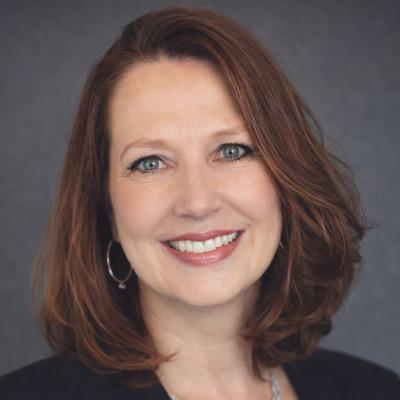
Karen Saxe Eppley
3
24points to level up
@karen-saxe-1725
Founder and Communications Mentor at Act Like A Great Communicator. Author of "When The Heck Did That Happen?" Motivational Speaker who changes lives.

Active 2h ago
Joined Feb 19, 2026
York PA USA
Powered by