Activity
Mon
Wed
Fri
Sun
Jun
Jul
Aug
Sep
Oct
Nov
Dec
Jan
Feb
Mar
Apr
May
What is this?
Less
More
Owned by Jeremy
This is a simple, beginner-friendly way to learn the herbal uses of plants that grow around you- safely, thouroughly, and at a comfortable pace.
Memberships
Skoolers
189.3k members • Free
1 contribution to Medicine at Your Feet
Jan 25 •
Start Here -->
Medicine at Your Feet is a place to learn about the plants growing where you live through the lens of Southern herbalism — not as folklore or trend, but as practical, usable knowledge. When we say “Southern,” we’re not talking about geography. We’re talking about a mindset that formed where people had to know which plants were worth paying attention to, how they were used, and when they were left alone — because that knowledge affected families, neighbors, and communities in real ways. That way of thinking is what’s practiced here. What You’ll Actually Learn Here--> Over time, people in this space develop working herbal knowledge, including: How plants were historically used in everyday life What kinds of situations plants were used for — and which they weren’t Why certain plants became reliable household tools How to talk about plant use clearly and responsibly How to recognize when a plant isn’t the answer This is not surface-level plant identification. It’s learning how plant knowledge functioned in real households — knowledge that made people useful, not impressive. How Learning Happens--> Learning here happens through exposure, repetition, and comparison. People notice plants in their own environments, learn how those plants were used, and compare notes across regions, families, and experiences. Over time, this builds a kind of quiet competence — the ability to recognize what matters, explain it plainly, and avoid overreach. No one is rushed. No one is pushed to act. But the knowledge accumulates. Why This Becomes Practical--> As people spend time here, they often find themselves able to: Answer questions from friends or family more clearly Explain why a plant was used instead of just repeating claims Know when a situation is appropriate for plant use — and when it isn’t Be steady and useful instead of reactive This kind of knowledge has always mattered most in everyday moments — and in times when systems are strained and communities rely on each other. The Community Aspect-->
0
0
1-1 of 1
@jeremy-vanmaanen-8710
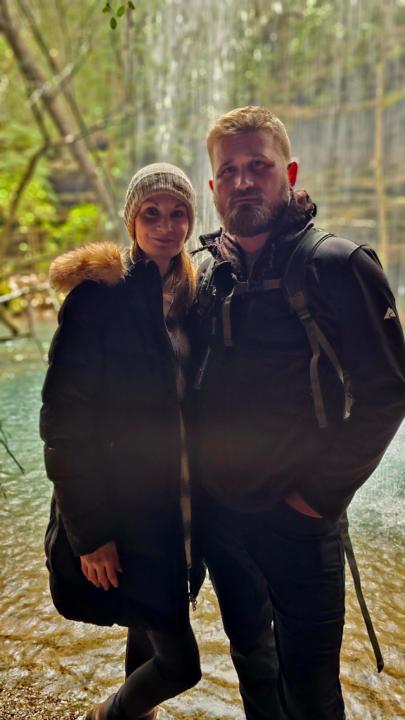
Hi, we are Jeremy and Heather VanMaanen, Southern Herbalists who love to learn about herbal uses of plants and then go forage them with our kids.
Active 85d ago
Joined Dec 30, 2025
Arab, Alabama