Activity
Mon
Wed
Fri
Sun
Feb
Mar
Apr
May
Jun
Jul
Aug
Sep
Oct
Nov
Dec
Jan
What is this?
Less
More
Memberships
Holistic Product Tester Group
29.4k members • Free
Reclamation Nation
93 members • Free
151 contributions to Holistic Product Tester Group

3d •
💸 Wellness on a Budget: DIY Lip Balm → Save Money & Skip Chemicals
𝗧𝗵𝗲 𝗖𝗵𝗲𝗺𝗶𝗰𝗮𝗹 𝗟𝗶𝗽 𝗕𝗮𝗹𝗺 𝗧𝗿𝗮𝗽 🚫 Many store-bought lip balms promise soft, smooth lips, but they often contain: * 𝗣𝗮𝗿𝗮𝗯𝗲𝗻𝘀 and 𝗽𝗲𝘁𝗿𝗼𝗹𝗲𝘂𝗺 – synthetic chemicals that can irritate skin * 𝗔𝗿𝘁𝗶𝗳𝗶𝗰𝗶𝗮𝗹 𝗳𝗹𝗮𝘃𝗼𝗿𝘀 and colors – unnecessary additives * 𝗛𝗶𝗴𝗵 𝗰𝗼𝘀𝘁 per use – typically $3–$5 for a tiny tube ➡️ 𝗧𝗵𝗲 𝗿𝗲𝗮𝗹𝗶𝘁𝘆: You can make a safe, natural, and nourishing lip balm at home for pennies—without synthetic chemicals or empty packaging. 𝗗𝗜𝗬 𝗡𝗮𝘁𝘂𝗿𝗮𝗹 𝗟𝗶𝗽 𝗕𝗮𝗹𝗺 🌿 This simple blend keeps lips soft, hydrated, and healthy: * 𝗕𝗲𝗲𝘀𝘄𝗮𝘅 = forms a protective barrier on lips * 𝗖𝗼𝗰𝗼𝗻𝘂𝘁 𝗼𝗶𝗹 = deeply moisturizing * 𝗦𝗵𝗲𝗮 𝗯𝘂𝘁𝘁𝗲𝗿 = softens and nourishes * 𝗘𝘀𝘀𝗲𝗻𝘁𝗶𝗮𝗹 𝗼𝗶𝗹𝘀 (optional) = flavor and soothing properties (peppermint, lavender, or vanilla) 𝗗𝗜𝗬 𝗥𝗲𝗰𝗶𝗽𝗲 🧪 Ingredients (per 2 small tins): * 1 tbsp beeswax pellets * 1 tbsp coconut oil * 1 tbsp shea butter * 3–5 drops essential oil (optional) Instructions: * Melt beeswax, coconut oil, and shea butter together in a double boiler or microwave-safe bowl * Stir in essential oil if desired * Pour mixture into small lip balm tins or tubes * Let cool completely before use ⏱ 𝗧𝗶𝗺𝗲 𝘁𝗼 𝗺𝗮𝗸𝗲: 10 minutes 𝗖𝗼𝘀𝘁 𝗦𝗮𝘃𝗶𝗻𝗴𝘀 💵 * DIY: ~𝗦$0.50 per tin * Commercial lip balm: 𝗦$3–$5 per tube * Cost savings per tin: ~𝗦$2.50–$4.50 * Annual savings if used daily: ~$𝗦50–$90 💰 Mind-blowing takeaway: You can keep your lips soft all year for a fraction of the cost, with no synthetic chemicals and a product you can fully customize. What flavor or essential oil do you love in your DIY lip balm?


11 likes • 3d
I also make my own and I make one with color too. . Here are my recipes. I forgot to say that for the plain lip balm just leave the mica out. My husband loves the lip balm !
0 likes • 2d
@Lynn Walker Awesome! You’re welcome! I love making my own stuff too…I started out making a face cream years ago. People loved it, I should have marketed it. I have made liquid blush as well. Some of the ingredients in cosmetics are so toxic ! It’s good to know what we’re wearing on our skin!
7d •
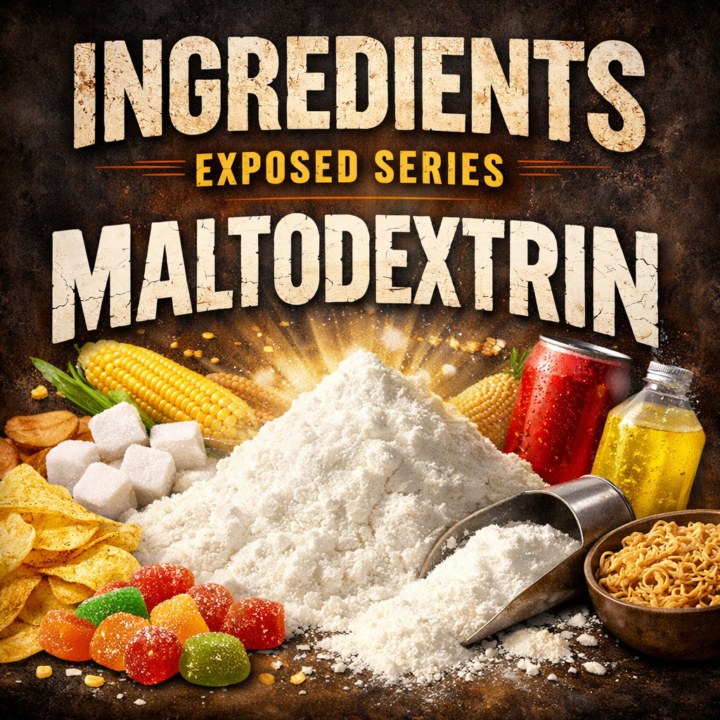
Ingredients Exposed Series: Maltodextrin
The "Complex Carb" That Spikes Blood Sugar Worse Than Table Sugar What sounds like a harmless starch or complex carbohydrate in your protein powder is actually an ultra-processed filler with a glycemic index higher than pure sugar. "Maltodextrin" isn't a whole food, it's an industrially manufactured powder created through extreme chemical and enzymatic processing that strips away all fiber and nutrients, leaving behind a blood-sugar-spiking additive that feeds harmful gut bacteria and promotes metabolic dysfunction. 𝗪𝗵𝗲𝗿𝗲 𝗬𝗼𝘂'𝗹𝗹 𝗙𝗶𝗻𝗱 𝗧𝗵𝗶𝘀 "𝗖𝗼𝗺𝗽𝗹𝗲𝘅 𝗖𝗮𝗿𝗯" Maltodextrin (listed as maltodextrin, corn maltodextrin, or wheat maltodextrin) is lurking in products throughout your kitchen: • Protein powders and meal replacement shakes • Sports drinks and "electrolyte" mixes • Salad dressings and sauces • Spice blends and seasoning packets • Sugar-free and "diet" foods • Instant puddings and dessert mixes • Artificial sweetener packets (Splenda, Equal) • Baked goods and snack bars • Canned soups and gravies • Baby formula and infant foods • Vitamins and supplements • "Healthy" snack foods and chips 𝗪𝗵𝗮𝘁 "𝗠𝗮𝗹𝘁𝗼𝗱𝗲𝘅𝘁𝗿𝗶𝗻" 𝗔𝗰𝘁𝘂𝗮𝗹𝗹𝘆 𝗜𝘀 Maltodextrin is an ultra-processed white powder created through extreme industrial processing: The manufacturing process: • Starts with GMO corn, rice, potato, or wheat starch • Acid hydrolysis - treating starch with hydrochloric or sulfuric acid • Enzymatic breakdown - using industrial enzymes to fragment starch chains • High-temperature processing - extreme heat to break molecular bonds • Chemical purification - removing residues and impurities • Spray drying - creating fine white powder What's left is a highly refined carbohydrate with: • Glycemic index of 105-130 (higher than table sugar at 65) • Zero fiber - all removed during processing • Zero nutrients - vitamins and minerals stripped away • Rapid absorption - hits bloodstream faster than glucose It's essentially pre-digested starch that requires no breakdown, spiking blood sugar instantly.
5 likes • 7d
@Chryl Davis I know, I get the same reaction, 😂 I read everything before I pay for it.
10d •
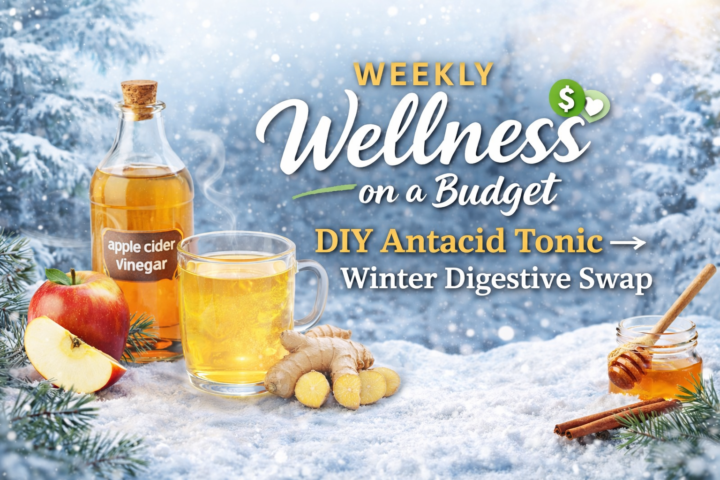
💸 Wellness on a Budget: DIY Antacid Tonic → Winter Digestive Swap
𝗧𝗵𝗲 𝗖𝗵𝗲𝗮𝗽 𝗔𝗻𝘁𝗮𝗰𝗶𝗱 𝗧𝗲𝗺𝗽𝘁𝗮𝘁𝗶𝗼𝗻 🚫 Many people grab over-the-counter antacids like Tums, Rolaids, or Maalox when heartburn or acid reflux strikes. They promise fast relief, but the truth is they often contain ingredients that can be harmful if used regularly: * 𝗖𝗮𝗹𝗰𝗶𝘂𝗺 𝗰𝗮𝗿𝗯𝗼𝗻𝗮𝘁𝗲 / 𝗔𝗹𝘂𝗺𝗶𝗻𝘂𝗺 𝗵𝘆𝗱𝗿𝗼𝘅𝗶𝗱𝗲 – can cause constipation, kidney stress, or interfere with nutrient absorption * 𝗦𝗼𝗱𝗶𝘂𝗺 𝗯𝗶𝗰𝗮𝗿𝗯𝗼𝗻𝗮𝘁𝗲 – excess sodium can raise blood pressure * 𝗔𝗿𝘁𝗶𝗳𝗶𝗰𝗶𝗮𝗹 𝗳𝗹𝗮𝘃𝗼𝗿𝘀 𝗮𝗻𝗱 𝗽𝗿𝗲𝘀𝗲𝗿𝘃𝗮𝘁𝗶𝘃𝗲𝘀 – unnecessary chemical exposure ➡️ 𝗧𝗵𝗲 𝗿𝗲𝗮𝗹𝗶𝘁𝘆: These quick fixes may calm the burn temporarily, but they **don’t address the root cause** and can burden your body over time. 𝗪𝗶𝗻𝘁𝗲𝗿 𝗗𝗶𝗴𝗲𝘀𝘁𝗶𝘃𝗲 𝗧𝗼𝗻𝗶𝗰 🌿 Instead of spending money on antacids, try a **natural, gentle tonic** that helps balance stomach acid safely and supports digestion: * 𝗔𝗽𝗽𝗹𝗲 𝗰𝗶𝗱𝗲𝗿 𝘃𝗶𝗻𝗲𝗴𝗮𝗿 = balances stomach pH naturally * 𝗚𝗶𝗻𝗴𝗲𝗿 = reduces inflammation, soothes digestion * 𝗛𝗼𝗻𝗲𝘆 = gently coats the stomach and supports gut health * 𝗪𝗮𝗿𝗺 𝘄𝗮𝘁𝗲𝗿 = aids absorption and comfort 𝗗𝗜𝗬 𝗥𝗲𝗰𝗶𝗽𝗲 🧪 Ingredients (per serving): * 1–2 tsp raw apple cider vinegar * 1 cup warm water * 1 tsp raw honey (optional) * Pinch of cinnamon or a few slices of fresh ginger (optional) Instructions: * Stir apple cider vinegar into warm water * Add honey and spices if desired * Sip slowly before or after meals as needed ⏱ 𝗧𝗶𝗺𝗲 𝘁𝗼 𝗺𝗮𝗸𝗲: 1–2 minutes 𝗖𝗼𝘀𝘁 𝗦𝗮𝘃𝗶𝗻𝗴𝘀 💵 * DIY: ~𝗦$0.10 per cup * Commercial antacids: 𝗦$4–$5 per bottle (~1 bottle/month) * Yearly DIY cost: ~𝗦$15 * Yearly commercial cost: ~𝗦$54 💰 Savings:~$39 per year per person, plus no chemical load and safer digestion 𝗣𝗲𝗿𝘀𝗼𝗻𝗮𝗹 𝗧𝗶𝗽: Keep a small bottle of raw apple cider vinegar in your kitchen this winter—you’ll find it useful not just for heartburn, but also for salad dressings, tonics, and general digestive support.
8 likes • 10d
A friend took them for years…and he has had blood pressure problems… I also had to take a few times many years ago, like the 80s when I ate meat for acid indigestion . Once I gave up meat, I no longer have that . If I do get acid indigestion which I have when I was taking antibiotics, I take papaya and bromelain, but it’s very rare that I ever have digestive issues. Also, another friend who took them frequently, she passed from esophageal cancer. I really felt that the antacids contributed to this. I’ve seen others eat them like candy! Great post! Thanks for the recipe!
11d •
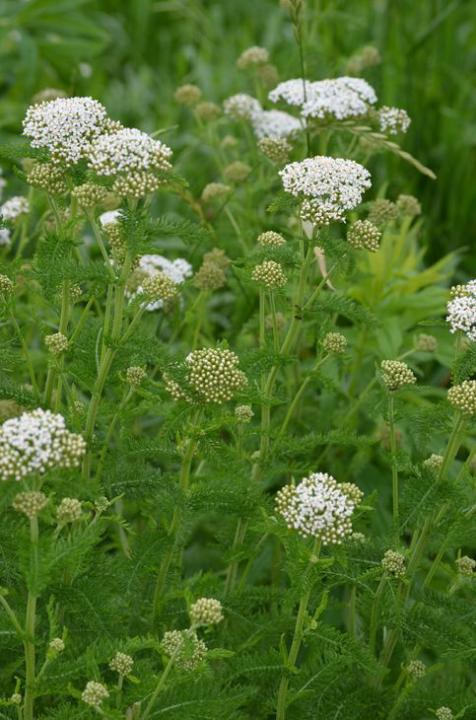
🌿 What's the Weed: Folk Remedies You Can Find Outside 🌼(Yarrow)
This hardy perennial thrives in lawns, meadows, roadsides, and disturbed areas, spreading by underground runners to form persistent patches. Its feathery, fern-like leaves are so finely divided they look almost lacy, and flat-topped clusters of tiny white or pink flowers bloom from late spring through fall. The entire plant has a distinctive aromatic, slightly bitter scent when crushed. Most people mow right over it or pull it as an unwanted lawn invader, yet this ancient healing herb has been carried into battle by soldiers for thousands of years, earning it the nickname "soldier's woundwort" for its legendary ability to stop bleeding. ✨ **Traditional Uses:** • Fresh leaves have been crushed and applied directly to cuts, scrapes, and wounds to stop bleeding and promote rapid healing. • Folk healers have brewed it into teas to break fevers by promoting sweating at the first sign of colds and flu. • Traditionally used as a bitter digestive tonic to stimulate appetite and ease stomach complaints. • Applied as a wash or compress for minor burns, rashes, and inflammatory skin conditions. ✨ **DIY Folk Remedy Recipe:** First Aid Poultice Gather fresh leaves and flowers. Chew or crush thoroughly to release the juices (clean hands or mortar and pestle work too). Apply the mashed plant material directly to minor cuts or scrapes. Hold in place for several minutes until bleeding slows. This simple field remedy has been trusted by warriors and herbalists for millennia. 👇 **Drop your guess in the comments, who knows this "weed"?**
9 likes • 11d
Yarrow
11d •
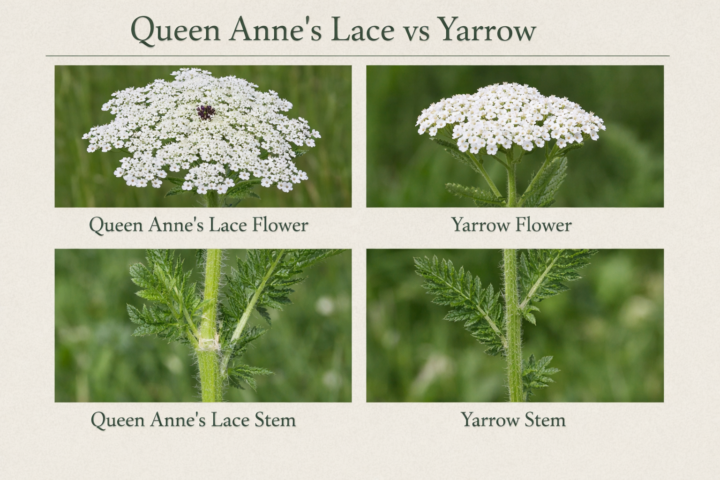
Yarrow or Queen Anne’s Lace Why Knowing the Difference Matters
Here's a helpful guide to help your "weed" identification skills! If you enjoy walking fields, back roads, or open meadows, you have probably noticed the white flowering plants that show up every summer and look almost identical at first glance. Many people assume they are all yarrow, but that is not always the case. Two very common plants that get confused are yarrow and Queen Anne’s lace. They grow in similar places, bloom at similar times, and often stand side by side. Knowing the difference matters, especially if you are interested in herbs, foraging, or simply understanding the plants around you. What is yarrow Yarrow is a perennial herb with soft, feathery leaves that grow along the stem. When you rub the leaves between your fingers, they have a strong herbal scent that is slightly bitter and aromatic. The flowers grow in tight, flat clusters and tend to look more compact and structured. Yarrow has a long history in traditional herbal use and is commonly associated with first aid support, skin applications, and seasonal wellness. Because of its strength, it is not recommended during pregnancy. What is Queen Anne’s lace Queen Anne’s lace is also known as wild carrot. It is a biennial plant and usually grows a bit taller and more delicate looking than yarrow. The flowers form an umbrella shape rather than a flat top, spreading outward from the center. Often there is a small dark purple flower right in the middle of the white cluster. This is one of the easiest visual clues and has been remembered through folklore as a drop of blood from Queen Anne’s finger while making lace. The leaves are more carrot like in shape and the stem feels fuzzy or hairy when touched. When crushed, the plant often smells faintly like carrots. Key differences to look for Yarrow has flat flower clusters while Queen Anne’s lace has a rounded, umbrella shaped bloom. Yarrow leaves grow along the stem and are finely feathered. Queen Anne’s lace leaves are more fern like and concentrated lower on the plant. Yarrow smells herbal and sharp when crushed. Queen Anne’s lace smells mild and carrot like. Queen Anne’s lace usually has a hairy stem. This is an important safety detail.
14 likes • 11d
I pick yarrow almost every year and both yarrow and queens Ann’s lace grows all over here so I’m always very careful when I pick it, I also tell others…it’s also a great for our pollinators!
1-10 of 151

@janet-geren-1202
I am into healthy and healing naturally….I love animals and I’m vegan
Active 14h ago
Joined Jun 29, 2024
Powered by