Activity
Mon
Wed
Fri
Sun
Feb
Mar
Apr
May
Jun
Jul
Aug
Sep
Oct
Nov
Dec
Jan
What is this?
Less
More
Memberships
Patrick's Wellness Collective
62 members • Free
Living Soil Community
1.2k members • Free
Mohr Natural
399 members • Free
High Vibe Tribe
79.1k members • Free
Shrink Rap
960 members • Free
Holistic Product Tester Group
29.3k members • Free
HolisticAmerican-HealthAcademy
3.5k members • Free
725 contributions to Holistic Product Tester Group

⭐
🔥
10h •
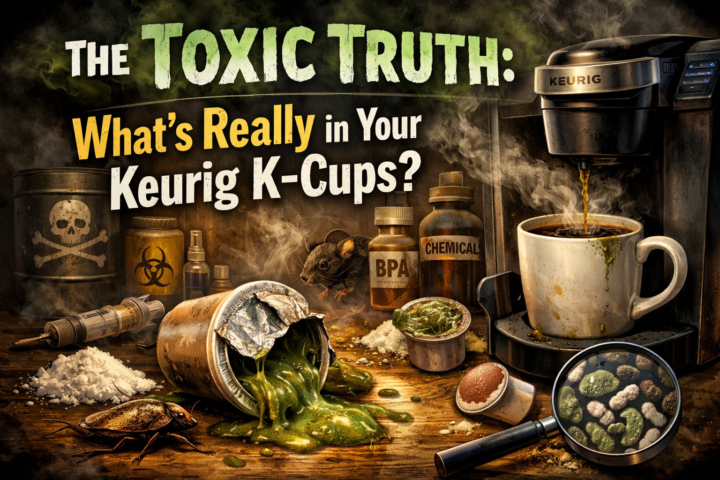
The Toxic Truth: What's Really in Your Keurig K‑Cups?
The "clean and convenient" morning ritual that's leaching plastic into your coffee Every morning, millions of people pop a K‑Cup into their Keurig machine, trusting the promise of "fresh brewed" coffee and effortless convenience. Since Keurig introduced single serve pods in the late 1990s, they've dominated home and office coffee with claims of consistency, cleanliness, and café quality brewing. People feel efficient and modern when they press that button for their personalized cup, believing the sealed pods guarantee freshness and hygiene. But what if the very product you're using for your daily caffeine ritual is actually leaching microplastics and chemicals into your coffee, brewing stale and oxidized grounds, and creating a breeding ground for mold in your machine? Behind Keurig's sleek branding and "ultimate convenience" claims lies a disturbing reality: you're paying premium prices to drink hot plastic infused coffee from months old grounds while generating mountains of waste. 𝗧𝗵𝗲 𝗠𝗮𝗿𝗸𝗲𝘁𝗶𝗻𝗴 𝗗𝗲𝗰𝗲𝗽𝘁𝗶𝗼𝗻: 𝗛𝗼𝘄 𝗞𝗲𝘂𝗿𝗶𝗴 𝗠𝗮𝗱𝗲 𝗣𝗹𝗮𝘀𝘁𝗶𝗰 𝗖𝗼𝗳𝗳𝗲𝗲 𝗦𝗲𝗲𝗺 𝗣𝗿𝗲𝗺𝗶𝘂𝗺 Keurig's most insidious marketing strategy is exploiting busy lifestyles and cleanliness concerns while making plastic‑wrapped, stale coffee seem like a luxury upgrade. • 𝗙𝗿𝗲𝘀𝗵 𝗯𝗿𝗲𝘄𝗲𝗱 implies just‑roasted quality when pods often contain coffee that's been sitting for months, oxidizing and losing flavor compounds • 𝗖𝗹𝗲𝗮𝗻 𝗮𝗻𝗱 𝗰𝗼𝗻𝘃𝗲𝗻𝗶𝗲𝗻𝘁 positioning makes people overlook the moldy water reservoirs, plastic contact, and environmental waste • 𝗣𝗿𝗲𝗺𝗶𝘂𝗺 𝗯𝗿𝗮𝗻𝗱 𝗽𝗮𝗿𝘁𝗻𝗲𝗿𝘀𝗵𝗶𝗽𝘀 (Starbucks, Dunkin', etc.) transfer café credibility to inferior pod coffee that tastes nothing like the original • 𝗖𝘂𝘀𝘁𝗼𝗺𝗶𝘇𝗮𝘁𝗶𝗼𝗻 language makes single serve seem personalized and special rather than wasteful and expensive • 𝗢𝗳𝗳𝗶𝗰𝗲 𝘀𝘁𝗮𝗻𝗱𝗮𝗿𝗱 positioning normalizes the machines as professional and hygienic when they're often neglected and contaminated • 𝗩𝗮𝗿𝗶𝗲𝘁𝘆 𝗽𝗮𝗰𝗸𝘀 create the illusion of choice while locking consumers into proprietary, overpriced pods • 𝗥𝗲𝗰𝘆𝗰𝗹𝗮𝗯𝗹𝗲 claims distract from the reality that most pods end up in landfills due to mixed materials and contamination

🔥
5 likes • 9h
Thankfully I never liked the coffee and we got rid of ours. I also don't like that they can get moldy and are hard to clean
⭐
🔥
2d •
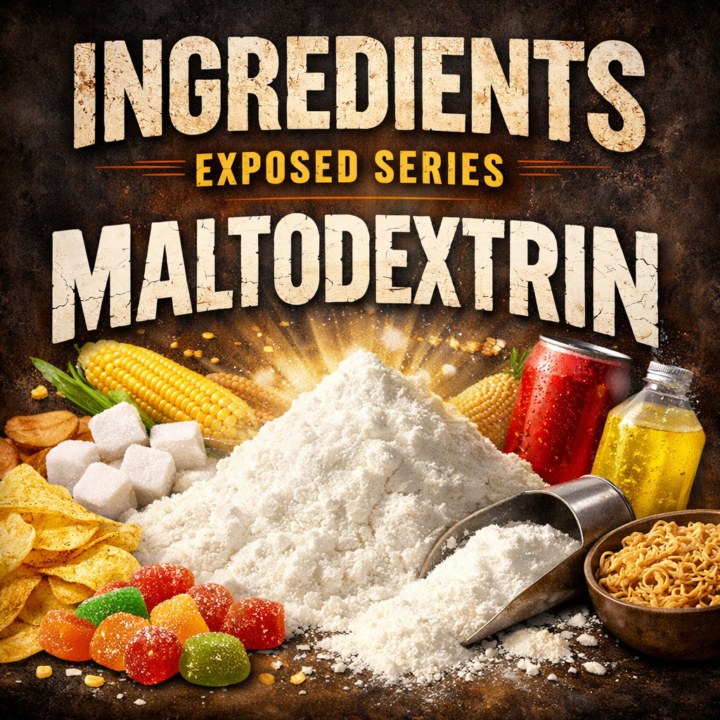
Ingredients Exposed Series: Maltodextrin
The "Complex Carb" That Spikes Blood Sugar Worse Than Table Sugar What sounds like a harmless starch or complex carbohydrate in your protein powder is actually an ultra-processed filler with a glycemic index higher than pure sugar. "Maltodextrin" isn't a whole food, it's an industrially manufactured powder created through extreme chemical and enzymatic processing that strips away all fiber and nutrients, leaving behind a blood-sugar-spiking additive that feeds harmful gut bacteria and promotes metabolic dysfunction. 𝗪𝗵𝗲𝗿𝗲 𝗬𝗼𝘂'𝗹𝗹 𝗙𝗶𝗻𝗱 𝗧𝗵𝗶𝘀 "𝗖𝗼𝗺𝗽𝗹𝗲𝘅 𝗖𝗮𝗿𝗯" Maltodextrin (listed as maltodextrin, corn maltodextrin, or wheat maltodextrin) is lurking in products throughout your kitchen: • Protein powders and meal replacement shakes • Sports drinks and "electrolyte" mixes • Salad dressings and sauces • Spice blends and seasoning packets • Sugar-free and "diet" foods • Instant puddings and dessert mixes • Artificial sweetener packets (Splenda, Equal) • Baked goods and snack bars • Canned soups and gravies • Baby formula and infant foods • Vitamins and supplements • "Healthy" snack foods and chips 𝗪𝗵𝗮𝘁 "𝗠𝗮𝗹𝘁𝗼𝗱𝗲𝘅𝘁𝗿𝗶𝗻" 𝗔𝗰𝘁𝘂𝗮𝗹𝗹𝘆 𝗜𝘀 Maltodextrin is an ultra-processed white powder created through extreme industrial processing: The manufacturing process: • Starts with GMO corn, rice, potato, or wheat starch • Acid hydrolysis - treating starch with hydrochloric or sulfuric acid • Enzymatic breakdown - using industrial enzymes to fragment starch chains • High-temperature processing - extreme heat to break molecular bonds • Chemical purification - removing residues and impurities • Spray drying - creating fine white powder What's left is a highly refined carbohydrate with: • Glycemic index of 105-130 (higher than table sugar at 65) • Zero fiber - all removed during processing • Zero nutrients - vitamins and minerals stripped away • Rapid absorption - hits bloodstream faster than glucose It's essentially pre-digested starch that requires no breakdown, spiking blood sugar instantly.
🔥
6 likes • 2d
@Chryl Davis Oh well! Lol 😂 reading labels is smart
🔥
2 likes • 1d
@Chryl Davis Oh I always go early to avoid the crowds, lol.
⭐
🔥
8d •
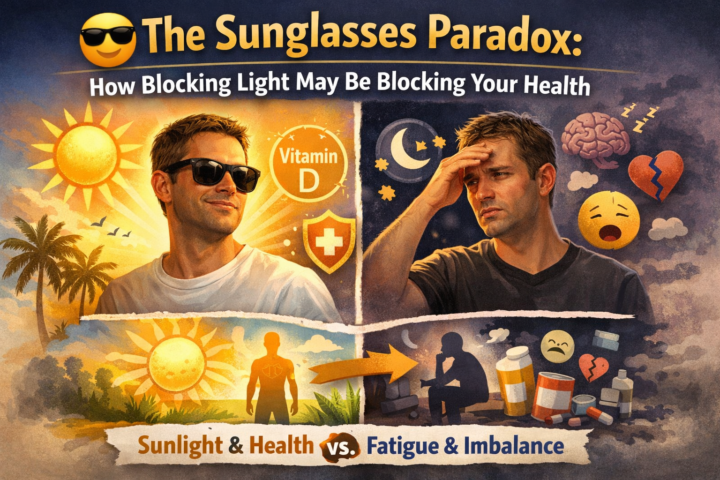
The Holistic American Blog: 😎 The Sunglasses Paradox: How Blocking Light May Be Blocking Your Health
Hey Holistic Americans! ✨ We've been told for decades that sunglasses are essential for eye health and protection. But what if constantly shielding your eyes from natural sunlight is disrupting critical biological processes? From vitamin D production to circadian rhythm regulation, your eyes play a surprising role in whole-body health—and those designer shades might be doing more harm than good. Let's explore the hidden consequences of excessive sunglasses use and when your eyes actually need natural light exposure. How Your Eyes Communicate with Your Body Your eyes aren't just for seeing—they're sophisticated light sensors that regulate your entire physiology. When natural sunlight enters your eyes, it triggers a cascade of biological responses: What happens when light hits your eyes: • Signals your brain to suppress melatonin (wake up hormone) • Triggers cortisol release for energy and alertness • Regulates your circadian rhythm for the entire day • Influences vitamin D production throughout your body • Affects serotonin levels (mood and well-being) • Controls pupil response and eye muscle function Blocking this natural light signal with sunglasses disrupts these essential processes. The Vitamin D Connection Here's what most people don't know: vitamin D production isn't just about skin exposure—your eyes play a crucial role too. How it works: When UVB light enters your eyes (not just your skin), it signals your hypothalamus and pituitary gland to optimize vitamin D metabolism throughout your body. This eye-brain-hormone connection is essential for: • Proper calcium absorption and bone health • Immune system regulation • Mood and mental health • Hormone balance • Inflammation control The sunglasses problem: Wearing sunglasses blocks this critical light signal, potentially reducing your body's ability to produce and utilize vitamin D effectively—even if your skin is getting sun exposure. Circadian Rhythm Disruption Your eyes are the primary way your body knows what time of day it is. Morning sunlight exposure (without sunglasses) is crucial for setting your internal clock.
🔥
1 like • 2d
@Hollie Raymond It can be blinding, even when it is partially cloudy and there is snow on the ground I seem to need them
🔥
1 like • 2d
@Laura Williams Yes!! Way too bright! We just had a few days in the 40's so all the snow melted...winter isn't over though here in New England. I am sure we will get more dumped on us

3d •
If Our Habits Don’t Change
The truth is, flipping the calendar doesn’t flip your life — your habits do. If you carry the same routines, reactions, and excuses into a new year, it simply becomes another year, not a new one. Change begins with awareness, choice, and courage — the courage to break cycles, to try again, and to build systems that support your best self. Take a holistic approach this year. Nourish your body with movement and good food, feed your mind with positivity, and guard your peace fiercely. The transformation you seek is waiting on the other side of consistent, intentional action. This is your moment to realign — to not just live the year, We are doing it at a good pace and one day at a time. We Cannot do it all in one day ! We have awesome resources here ! Have a great week !

🔥
6 likes • 2d
So very true 💓
⭐
🔥
5d •
💸 Wellness on a Budget: DIY Antacid Tonic → Winter Digestive Swap
𝗧𝗵𝗲 𝗖𝗵𝗲𝗮𝗽 𝗔𝗻𝘁𝗮𝗰𝗶𝗱 𝗧𝗲𝗺𝗽𝘁𝗮𝘁𝗶𝗼𝗻 🚫 Many people grab over-the-counter antacids like Tums, Rolaids, or Maalox when heartburn or acid reflux strikes. They promise fast relief, but the truth is they often contain ingredients that can be harmful if used regularly: * 𝗖𝗮𝗹𝗰𝗶𝘂𝗺 𝗰𝗮𝗿𝗯𝗼𝗻𝗮𝘁𝗲 / 𝗔𝗹𝘂𝗺𝗶𝗻𝘂𝗺 𝗵𝘆𝗱𝗿𝗼𝘅𝗶𝗱𝗲 – can cause constipation, kidney stress, or interfere with nutrient absorption * 𝗦𝗼𝗱𝗶𝘂𝗺 𝗯𝗶𝗰𝗮𝗿𝗯𝗼𝗻𝗮𝘁𝗲 – excess sodium can raise blood pressure * 𝗔𝗿𝘁𝗶𝗳𝗶𝗰𝗶𝗮𝗹 𝗳𝗹𝗮𝘃𝗼𝗿𝘀 𝗮𝗻𝗱 𝗽𝗿𝗲𝘀𝗲𝗿𝘃𝗮𝘁𝗶𝘃𝗲𝘀 – unnecessary chemical exposure ➡️ 𝗧𝗵𝗲 𝗿𝗲𝗮𝗹𝗶𝘁𝘆: These quick fixes may calm the burn temporarily, but they **don’t address the root cause** and can burden your body over time. 𝗪𝗶𝗻𝘁𝗲𝗿 𝗗𝗶𝗴𝗲𝘀𝘁𝗶𝘃𝗲 𝗧𝗼𝗻𝗶𝗰 🌿 Instead of spending money on antacids, try a **natural, gentle tonic** that helps balance stomach acid safely and supports digestion: * 𝗔𝗽𝗽𝗹𝗲 𝗰𝗶𝗱𝗲𝗿 𝘃𝗶𝗻𝗲𝗴𝗮𝗿 = balances stomach pH naturally * 𝗚𝗶𝗻𝗴𝗲𝗿 = reduces inflammation, soothes digestion * 𝗛𝗼𝗻𝗲𝘆 = gently coats the stomach and supports gut health * 𝗪𝗮𝗿𝗺 𝘄𝗮𝘁𝗲𝗿 = aids absorption and comfort 𝗗𝗜𝗬 𝗥𝗲𝗰𝗶𝗽𝗲 🧪 Ingredients (per serving): * 1–2 tsp raw apple cider vinegar * 1 cup warm water * 1 tsp raw honey (optional) * Pinch of cinnamon or a few slices of fresh ginger (optional) Instructions: * Stir apple cider vinegar into warm water * Add honey and spices if desired * Sip slowly before or after meals as needed ⏱ 𝗧𝗶𝗺𝗲 𝘁𝗼 𝗺𝗮𝗸𝗲: 1–2 minutes 𝗖𝗼𝘀𝘁 𝗦𝗮𝘃𝗶𝗻𝗴𝘀 💵 * DIY: ~𝗦$0.10 per cup * Commercial antacids: 𝗦$4–$5 per bottle (~1 bottle/month) * Yearly DIY cost: ~𝗦$15 * Yearly commercial cost: ~𝗦$54 💰 Savings:~$39 per year per person, plus no chemical load and safer digestion 𝗣𝗲𝗿𝘀𝗼𝗻𝗮𝗹 𝗧𝗶𝗽: Keep a small bottle of raw apple cider vinegar in your kitchen this winter—you’ll find it useful not just for heartburn, but also for salad dressings, tonics, and general digestive support.

🔥
8 likes • 5d
@Betsy Moll Peppermint and ginger are good too, and better tasting, lol
🔥
10 likes • 5d
Thanks for the recipe and info!
1-10 of 725

🔥
@jamie-smith-3717
Wife & Mom. I love to garden, forage in my yard, bake, read, drink tea and bird watching. Living my life as healthy and holistically as I can
Active 2h ago
Joined Dec 9, 2024
Powered by