Activity
Mon
Wed
Fri
Sun
Aug
Sep
Oct
Nov
Dec
Jan
Feb
Mar
Apr
May
Jun
What is this?
Less
More
Memberships
🌱 Living Soil with Cherene
295 members • Free
5 contributions to 🌱 Living Soil with Cherene

21d •
Protein poisoning
Hey Everyone, I’d like to thank you all for your help over the last couple weeks but I unfortunately lost my worm bin to protein poisoning 😔
2 likes • 21d
@Rick Redding Thanks Rick!
2 likes • 21d
@Cherene Packard I think that’s what happened to mine, tbh! I run a hot composting system and that’s what I will be feeding from here on out! Compost that’s already 60-70% broken down!
29d •
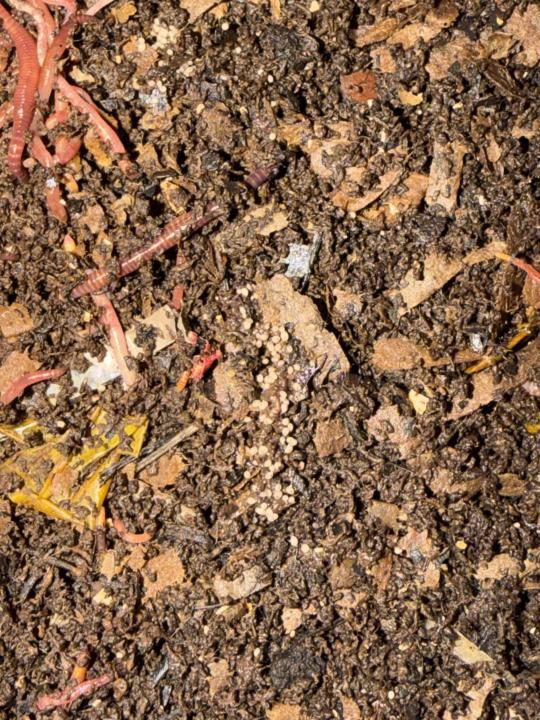
What are these eggs from?
Hey Everyone, I need your help identifying what laid these eggs? They started showing up just yesterday! I’ve been picking them out but I need to know what they are and how to correct?! TIA
3 likes • 26d
@Kevin Griffin Thanks! I have 20 hives here in Newfoundland
6 likes • 26d
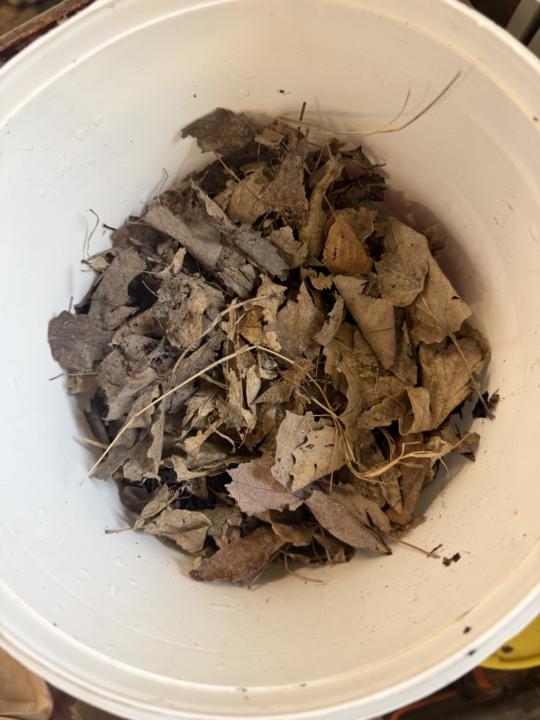
Hey Everyone, this is the answer I received from another group regarding the mites and I thought I would share it with you….. Every worm bin will have a few mites, but when you start to really notice them than chances are your pH is dropping and your worm bin is becoming acidic. The lowering of the pH is caused by decomposing food, mostly from feeding too much for the amount of worms and microbe population that you have. Mite eggs come in on fruit and veggie skins. The mite eggs need moisture, and acidity to hatch, and the female lays eggs when this is the case. S,o let's change that, Take your lid and any coverings off your worm bin for 24-48 hrs. to allow the surface to dry out a bit. The worms will be fine they will burrow down. Mites are surface dwellers they do not burrow down into the vermicompost. They are attracted to low pH (acidity), excess moisture and exposed food. If you have any food on the surface turn it under. ( In the future dig a little hole, lay down some dry carbon that is approx the same volume as your food, sprinkle with grit and cover with existing bedding.) After 48 hrs fluff the worm bin good, and add 1-2 handfuls of dry carbon into the mix. Sprinkle a 1/4 cup of a pH buffer across the surface (I will explain pH buffer below) Don't feed again until all the food is gone. While your bin is surface drying, use a damp paper towel and remove any mites on the sides or lids and dispose of the paper towel after. If your worm bin is quite wet when you are fluffing it, take a few larger pieces of dry cardboard and slide them down between the inside wall of your worm bin and the vermicompost. This adds more carbon to the system and helps to dry it out a bit. Use a type of grit that also doubles as a pH buffer like pulverized eggshells, or any powdered version of the following: agricultural or garden lime, dolomite lime, calcium carbonate, oyster shell or glacier rock dust (NOTE: DO NOT USE Hydrated lime as it is caustic.) The nice thing is that all of these calcium based pH buffers help to adjust acidic conditions plus they are also an awesome grit and a calcium supplement for the worms. I use one of the pH buffers I mentioned above as grit at each feeding, plus at the first sign of white mites or pot worms I sprinkle the pH buffer across the surface, then fluff, and add another sprinkle on the top surface after fluffing. If you put a small piece of damp cardboard (approx 4 inches by 3 inches) on the surface after you have down everything above, then check that piece of carboard everyday, and if there are 2 or more mites on it, dispose of it and replace it. It may take a few days but this will really kill off the mites, and with less mites, there is less eggs.

May 7 •
Welcome to Living Soil with Cherene!
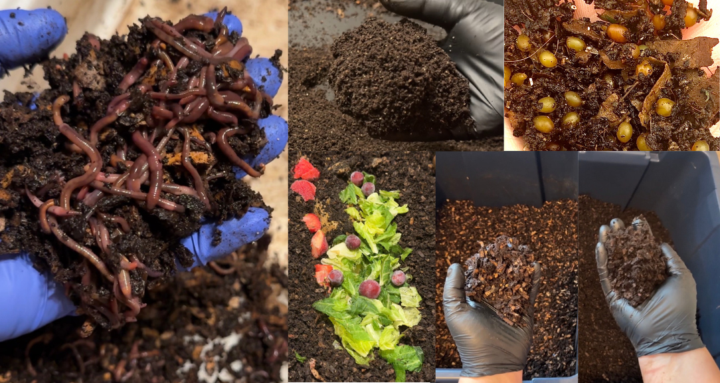
I created this community to make worm composting, living soil, and healthier plant systems feel less overwhelming and more organized! Check out the classroom tab for a self paced learning system and utilize this community for learning and connecting! Instead of digging through endless comments and videos, I wanted one place where people could: -learn step by step -ask questions -connect with others -grow healthier plants from the soil up Feel free to introduce yourself in the comments! Tell us: - where you’re from - what worms you have (or want) - whether you’re brand new or experienced - what you’re hoping to learn I’ll keep building this space over time with videos, resources, discussions, and live support. If you’re new to worm composting or living soil, welcome! You’re in the right place! :)
6 likes • Jun 1
Hey Everyone, I’m located in the most eastern part of North America, Newfoundland, Canada! I just started a bin with 3lbs of Red Wigglers, I am brand new to worms but not composting. I’m hoping to learn absolutely everything that I can from you all!
May 30 •
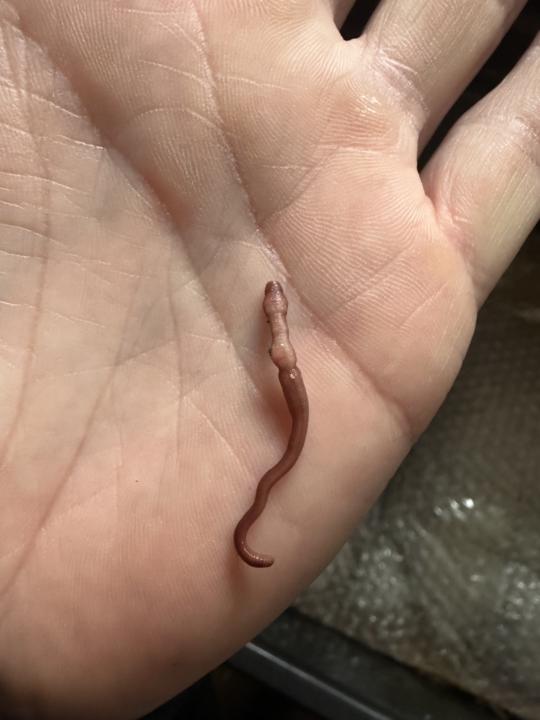
What’s happening with this worm?
What’s happening to this worm? I’m finding a couple here and there like this! Newbie here and I don’t want to lose my bin yet lol
1 like • Jun 1
@Cherene Packard Thank you so much for helping me out in the very beginning of this worm venture I’ve started lol
1-5 of 5

@ian-hussey-8380
A small scale farmer/homesteader on the Northeast coast of Newfoundland & Labrador. I’m raising chickens, pigs and honeybees!
Active 5d ago
Joined May 30, 2026