Activity
Mon
Wed
Fri
Sun
Jun
Jul
Aug
Sep
Oct
Nov
Dec
Jan
Feb
Mar
Apr
What is this?
Less
More
Memberships
MB USA Academy
862 members • Free
61 contributions to MB USA Academy

Mar 4 •
خطة تعلم تحليل البيانات
🎯 تسليم خطة تعلم تحليل البيانات لمدة 8 أسابيع تم إعداد خارطة طريق عملية ومتكاملة تبدأ من أساسيات Excel، مرورًا بـ SQL وPython، ثم تصور البيانات والتحليل الاستكشافي، وصولًا إلى مقدمة في تعلم الآلة ومشروع نهائي متكامل. الخطة تركز على:✔️ بناء مهارات مطلوبة في سوق العمل✔️ تنفيذ مشاريع أسبوعية قابلة للإضافة إلى ملف الأعمال✔️ استخدام أدوات الذكاء الاصطناعي كمساعد في التعلم والتحليل✔️ الانتقال التدريجي من المستوى المبتدئ إلى المتوسط خلال 8 أسابيع النتيجة المتوقعة:ملف أعمال احترافي + مشروع نهائي متكامل جاهز للعرض في المقابلات. بالتوفيق في رحلة التعلم 🚀 Hussein Ali Ahmed Ghanim Task No. 1 I am using ChatGPT
Oct '25 •
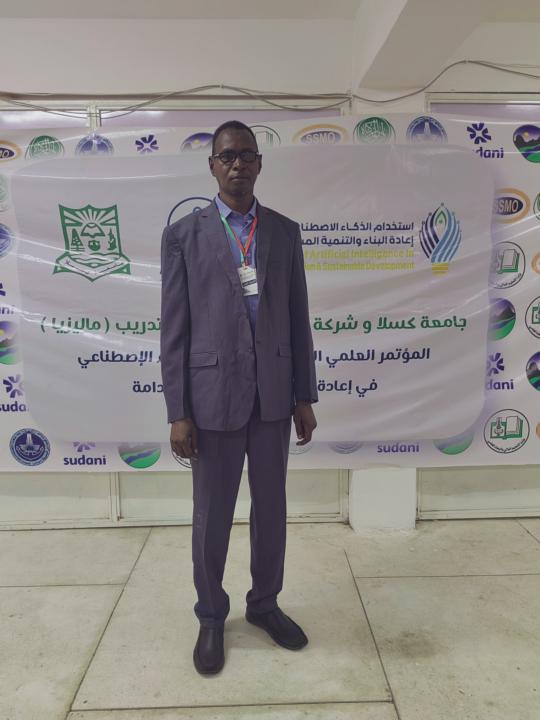
المؤتمر الدولى لاستخدام الذكاء الإصطناعي لإعادة البناء والتنمية المستدامة
سعيد جدًا وفخور بأن أكون أحد أعضاء اللجنة المنظمة لمؤتمر استخدام الذكاء الاصطناعي في إعادة البناء والتنمية المستدامة، الذي نظمته جامعة كسلا بالتعاون مع شركة مشارب العالمية للتدريب والتعليم خلال الفترة من 20 إلى 22 أكتوبر 2025. كما يسعدني أنني كنت ضمن اللجنة العلمية للمؤتمر ومقرّرها والمنسق العام، وهي تجربة ثرية ومُلهمة جمعت بين العقول المبدعة والخبرات المتميزة لمناقشة دور الذكاء الاصطناعي في دعم مسارات التنمية المستدامة وإعادة البناء. كل الشكر والتقدير لجامعة كسلا وشركة مشارب العالمية وكل الزملاء الذين ساهموا في إنجاح هذا الحدث العلمي المتميز. 🌿🤖
1
0
Sep '25 •
How AI Is Changing Scientific Research
AI isn’t just a buzzword in labs — it’s becoming a real partner in discovery. From physics to medicine, here’s how it’s pushing science forward: 🔹 Handling Big DataModern science generates mountains of information. AI cleans, organizes, and analyzes it at speeds no human team could match — revealing patterns we’d never see otherwise. 🔹 Generating HypothesesInstead of waiting on humans to connect the dots, AI spots hidden relationships in data and proposes new ideas worth testing. 🔹 Faster SimulationsWhether modeling climate systems, predicting protein folding, or designing new materials, AI cuts down the time and cost of running complex simulations. 🔹 Accelerating MedicineAI is transforming drug discovery — predicting how molecules interact, finding new uses for existing drugs, and even personalizing treatments based on individual patient data. 🔹 Automating the RoutineFrom running repetitive lab experiments to scanning thousands of papers, AI frees scientists to focus on the creative, high-impact parts of research. 🔹 Predicting the FutureIn fields like climate science and epidemiology, AI models help forecast outcomes and guide interventions with greater accuracy. 🔹 Opening DoorsSmaller labs and researchers without supercomputers
3
0
Jun '25 •
واجب رقم 1
🎯 المهمة: تصميم تطبيق من اختيارك 1. فكرة التطبيق ✨ تطبيق تدريبي وتفاعلي شامل باسم ElectroTech يقدم دورات احترافية أونلاين في مجالات البرمجة، الذكاء الاصطناعي، تحليل البيانات، تصميم المواقع، ويتيح أيضًا خدمات استشارية في الصيانة التقنية والبحث العلمي، موجه لطلاب الجامعات والخريجين. 2. اسم التطبيق وليه اخترته 📛 ElectroTech لأنه يعكس الجمع بين التكنولوجيا الحديثة والتدريب التقني. الاسم يعطي إحساسًا بالحيوية والتطور، ويناسب جمهوراً تقنياً يبحث عن مهارات مستقبلية. 3. اختيار الألوان وأسبابها 🎨 الأزرق الكهربائي: يرمز للثقة والتقنية. البنفسجي الداكن: يوحي بالإبداع والتفكير العميق. الأصفر النيون: يعكس الحماس والانتباه ويشد البصر. الهدف من الألوان هو خلق تجربة مستخدم ديناميكية ومحفّزة بصريًا. 4. هدف التطبيق 🎯 تمكين الشباب السوداني والعربي من تعلّم المهارات الرقمية الأكثر طلبًا في سوق العمل، عبر بيئة تفاعلية وجذابة وسهلة الوصول، مع تقديم خدمات حقيقية تدعم البحث العلمي والمشاريع التقنية. 5. لو تم نشر التطبيق، تتوقّع حيكون تأثيره على المجتمع كيف؟ 🌍 سيُحدث نقلة نوعية في طريقة التعلّم الذاتي، ويدعم التحوّل الرقمي في التعليم في السودان والعالم العربي. سيساعد على تقليص الفجوة بين الجامعة وسوق العمل، ويوفر فرصًا للابتكار والتعاون، خاصة في الأوساط الأكاديمية والريادية. 6. ✍️ نبذة بسيطة عني: الاسم: [د. حسين على احمد غانم ] العمل: استاذ مساعد في كلية علوم الحاسب الدراسة: تخصص نظم وتقانة المعلومات بالإضافة الى الذكاء الاصطناعي وتحليل البيانات الخبرة في الحياة: شاركت في ورشات تدريبية متعددة، وبدأت رحلتي في تطوير البرمجيات خلال الجامعة. الهوايات: البرمجة، الرسم الرقمي، القراءة، الألعاب الذهنية الهدف من تعلم الذكاء الاصطناعي: أطمح لاستخدام الذكاء الاصطناعي لصنع تطبيقات تخدم المجتمع وتحل مشاكل حقيقية، وتساهم في بناء مستقبل تقني متقدّم للسودان والعالم العربي. https://ba6d729e-ab97-4ef9-96a4-444cc330bd12.dev22.app-preview.com/
4
0
Jun '25 •
How AI Is Changing Your Life – Right Now
AI isn’t coming. It’s here—and it’s already reshaping everything: 🧠 Work: Automating tasks, creating new roles, and helping pros make smarter decisions. 🏥 Healthcare: Diagnosing faster, tailoring treatments, and expanding access. 📚 Education: Powering personal learning, tutoring on-demand—but also raising new cheating concerns. 🏡 Daily Life: From your Netflix feed to smart homes, AI runs more than you think. 👁️ Privacy: Facial recognition, surveillance, algorithmic bias—big ethical red flags. 🎨 Creativity: AI writes, paints, composes—but also creates deepfakes and misinformation. 💬 Relationships: People are bonding with bots. And echo chambers are getting deeper. The point? AI is not just tech—it’s a force rewriting the rules of modern life. The challenge: Make it work for us, not against us. #AI #FutureOfWork #TechLife #Ethics #ArtificialIntelligence #SmartLiving #Automation #Innovation
2
0
1-10 of 61
@hussein-ali-ahmed-ghanim-8540
Learning is a continuous process be creative, motivated, and innovative
Active 45d ago
Joined Feb 18, 2025